An Honest Look at a Property’s Deferred Maintenance
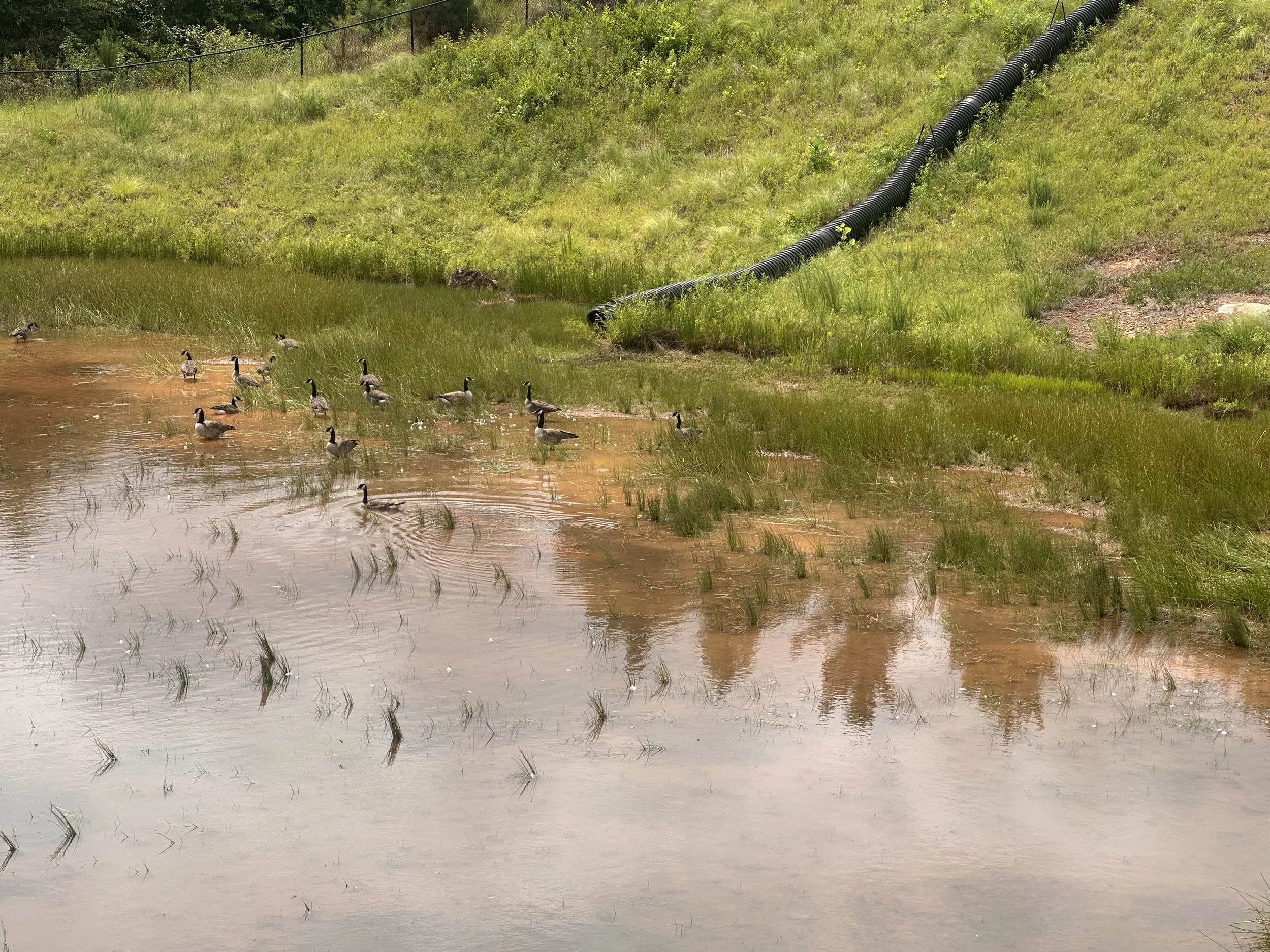
A property manager walks the property 72 hours after a hard rain. The problem hasn’t changed. The same problems that were glaring after the last rain event. The detention pond is holding water it shouldn't, the outfall pipe has a crack that was on last year's list, and there's sediment built up around an inlet that was supposed to be cleared out months ago. All three problems might be getting worse, nobody really knows. Somewhere between the last inspection and now, they became problems to deal with later.
That's the weight of deferred maintenance. It's not a single failure, it's a slow accumulation of small delays that eventually show up as flooding a tenant's loading dock, a violation notice from the regulator, or a call from ownership asking why a known issue turned into an emergency repair. By the time it's visible, it's already expensive, and reputations tarnished.
If only a property manager could manage stormwater assets like the rest of the property, where every asset has a condition score, a named owner, a repair date, and a line in the budget. Picture that same walk under that reality. The detention pond drawing down the way it's supposed to, because the landscape vendor tweaked their vegetation process. Removing aediment at the inlet pipe cleaned once ownership assigned. And pricing for filters in hand to slow down future sediment deposit. Not an open question. Not a line carried over from last quarter. When ownership asks about the property, they see a quick glance score of stormwater management, what's scheduled and what it costs, and the conversation is over in five minutes.
The Real Problem Isn't the List, It's the Priority
Every property has a maintenance list. What most properties don't have is a clear sense of which items on that list are actually risks and which are just tasks. When everything looks equally urgent, nothing gets acted on. Deferred maintenance is rarely a sign that people don't care. It's a sign that the real risks were never separated from the noise.
In the Board Room, "Deferred" Often Means "Undecided"
Call it what it is. Deferred maintenance is often the board room term for “We don't know what to do.” Ownership hears "deferred" and assumes it's a budget decision. Most of the time, it's actually a knowledge gap. However, it’s just a matter of time before the house of cards tumbles and ownership figures it out. Nobody has scored the risk, priced the fix, or built the case for acting now instead of later. Calling it deferred seems easier than admitting there's no plan. But that’s playing the short game
Nothing Gets Fixed Until Someone Owns It
A risk without an owner doesn't get resolved. It gets discussed, noted, and carried forward, meeting after meeting. Deferred maintenance often has less to do with money than with the fact that no single person was ever assigned to track a corrective action through to completion. Without ownership, even a fully funded fix sits unresolved.
A Number Ownership Can Plan Around
Deferred maintenance requires a CapEx budget. Not a rough estimate mentioned in passing, an actual number tied to an actual timeline. Ownership can plan around a budget. They can't plan around a vague sense that something should probably get done eventually.
A Plan Is What Makes Deferral Defensible
Deferring a repair isn't automatically the wrong call. Sometimes it's the right one. But deferred maintenance only works when there's a real plan to manage the risk in the meantime, not just a decision to wait and hope. Without that plan, deferral is just risk left unmanaged with a more comfortable name.
Where Buck HydroLogics Fits
This is the same work you're already responsible for. Buck HydroLogics doesn't add a task, it gives the existing one structure. That detention pond, that cracked outfall, that clogged inlet, instead of living in your memory and a stack of old inspection notes, each one gets a risk score, a named owner, a due date, and a dollar figure attached to it in one system. It scores your stormwater system across six categories, so priorities are based on actual risk, not guesswork. It assigns and tracks corrective actions, so nothing quietly rolls forward unowned. And it ties every open item to a CapEx budget, so when something is deferred, it's a documented decision with a plan behind it, not a gap waiting to be discovered later.
You already know the property. Buck HydroLogics makes sure everyone else, ownership, tenants, and regulators, sees the same clear picture you do.
It’s time to manage the property’s StormWater assets with the long game in mind. Property managers can have confidence that tenants are protected, investor’s ROI is maximized, regulators are satisfied. If that confidence helps you with ownership groups contact Buck HydroLogics today.