
Creating a Haven for Mosquito-Eating Birds: Attracting Wildlife to Your Detention Pond
By implementing these strategies to attract mosquito-eating birds to your detention pond, you can transform it into a thriving ecosystem that benefits both wildlife and water management. A diverse array of native vegetation, water features, suitable nesting sites, and natural food sources are key to attracting a variety of bird species. Remember, it is important to maintain a balanced ecosystem by minimizing chemical use and promoting conservation efforts.
Title: Creating a Haven for Mosquito-Eating Birds: Attracting Wildlife to Your Detention Pond
Affiliate links may be used in this article.
Introduction:
Detention ponds serve as crucial water management systems, but they can also play a vital role in promoting biodiversity and ecological balance. By attracting mosquito-eating birds to your detention pond, you can not only help control mosquito populations but also create a thriving ecosystem that benefits various avian species. In this blog post, we will explore effective strategies to attract mosquito-eating birds to your detention pond, turning it into a haven for both wildlife and water management.
1. Native Vegetation:
To entice mosquito-eating birds, it's essential to establish a diverse array of native vegetation around your detention pond. Native plants not only provide a natural habitat for birds but also attract insects, which are a vital food source for many avian species. Consider planting a mix of shrubs, grasses, and flowering plants that are indigenous to your region. These plants will offer shelter, nesting sites, and nectar for birds, ensuring a thriving environment.
2. Water Features:
In addition to vegetation, incorporating various water features in and around your detention pond can greatly appeal to mosquito-eating birds. Birds require a reliable water source for drinking, bathing, and hunting prey. Consider adding a shallow area with gently sloping edges to allow easy access for birds to wade in. Additionally, installing a small fountain or a bird bath nearby will attract a wider range of species. The sound of running water can act as a magnet for birds and create a soothing ambiance.
3. Nesting Sites:
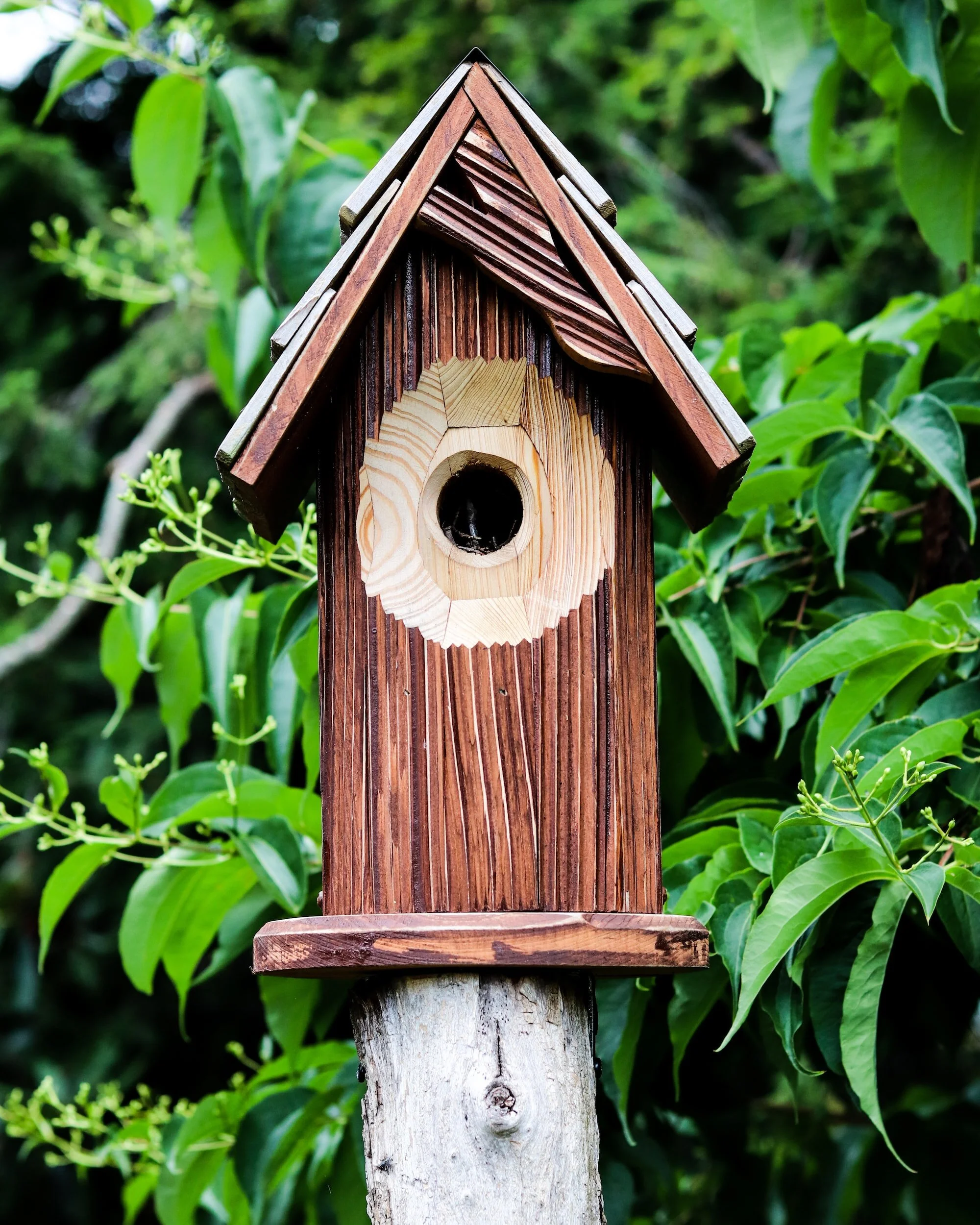
Providing suitable nesting sites is crucial for attracting mosquito-eating birds to your detention pond. Different species have distinct preferences for nesting locations, so it's important to offer a variety of options. Install birdhouses, nesting boxes, and platforms at various heights and orientations around the pond. Research the specific requirements of local bird species to ensure the structures are designed to meet their needs. By creating safe and suitable nesting opportunities, you encourage birds to establish their homes near the pond.
4. Food Sources:
Mosquito-eating birds require a diverse diet to thrive. Incorporate a variety of plants that produce seeds, fruits, or nectar to attract a broader range of insects and other invertebrates. Consider planting species that flower at different times throughout the year, providing a consistent food source for birds. Additionally, leaving areas of the detention pond undisturbed can allow natural vegetation to grow, attracting insects and small aquatic organisms that birds can feed on.
5. Minimize Chemical Use:
To maintain a healthy ecosystem and attract mosquito-eating birds, it's crucial to minimize the use of chemicals in and around the detention pond. Pesticides and herbicides not only harm insects and other potential food sources for birds but can also disrupt the delicate balance of the ecosystem. Instead, focus on creating a natural and pesticide-free environment that supports a robust food chain for avian species.
6. Educational Signage and Conservation Efforts:

Raise awareness among your community about the importance of attracting mosquito-eating birds and the role of detention ponds in supporting local wildlife. Install educational signage near the pond to inform visitors about the significance of the habitat and the benefits of the birds' presence. Encourage conservation efforts such as birdwatching events or educational programs to foster a sense of stewardship and appreciation for the avian species.
Conclusion:
By implementing these strategies to attract mosquito-eating birds to your detention pond, you can transform it into a thriving ecosystem that benefits both wildlife and water management. A diverse array of native vegetation, water features, suitable nesting sites, and natural food sources are key to attracting a variety of bird species. Remember, it is important to maintain a balanced ecosystem by minimizing chemical use and promoting conservation efforts.
Take Steps to Prevent Spread of Zika

Buck Outdoors Stormwater Specialist does free consultation for mosquito control on your designated stormwater area.
There is still a lot that we we don't know regarding the Zika virus. However, we do know that it has spread into the United States and there are at least 18 known cases in South Carolina alone. We also know that the effects of Zika virus on a pregnant mother is serious.
Zika virus is a mosquito-borne disease meaning that the spread can be fast and effect you without coming into direct contact with a person who has the disease.
The best defense against contracting the Zika virus is to guard against mosquitoes in your own backyard and community. Here are a few simple actions you can take against the Zika Virus:
1. Keep debris out of stormwater system and pipes in your neighborhood.
2. Make sure that your gutters and downspouts are free of debris and drain properly.
3. Eliminate standing water in your yard with french drains.
4. Be sure that any containers left outside do not hold water for any length of time.
5. Make sure that your neighborhood's designated stormwater area does not have sediment build up which prevents rainwater from running off properly.