Creating a Haven for Mosquito-Eating Birds: Attracting Wildlife to Your Detention Pond
By implementing these strategies to attract mosquito-eating birds to your detention pond, you can transform it into a thriving ecosystem that benefits both wildlife and water management. A diverse array of native vegetation, water features, suitable nesting sites, and natural food sources are key to attracting a variety of bird species. Remember, it is important to maintain a balanced ecosystem by minimizing chemical use and promoting conservation efforts.
Title: Creating a Haven for Mosquito-Eating Birds: Attracting Wildlife to Your Detention Pond
Affiliate links may be used in this article.
Introduction:
Detention ponds serve as crucial water management systems, but they can also play a vital role in promoting biodiversity and ecological balance. By attracting mosquito-eating birds to your detention pond, you can not only help control mosquito populations but also create a thriving ecosystem that benefits various avian species. In this blog post, we will explore effective strategies to attract mosquito-eating birds to your detention pond, turning it into a haven for both wildlife and water management.
1. Native Vegetation:
To entice mosquito-eating birds, it's essential to establish a diverse array of native vegetation around your detention pond. Native plants not only provide a natural habitat for birds but also attract insects, which are a vital food source for many avian species. Consider planting a mix of shrubs, grasses, and flowering plants that are indigenous to your region. These plants will offer shelter, nesting sites, and nectar for birds, ensuring a thriving environment.
2. Water Features:
In addition to vegetation, incorporating various water features in and around your detention pond can greatly appeal to mosquito-eating birds. Birds require a reliable water source for drinking, bathing, and hunting prey. Consider adding a shallow area with gently sloping edges to allow easy access for birds to wade in. Additionally, installing a small fountain or a bird bath nearby will attract a wider range of species. The sound of running water can act as a magnet for birds and create a soothing ambiance.
3. Nesting Sites:
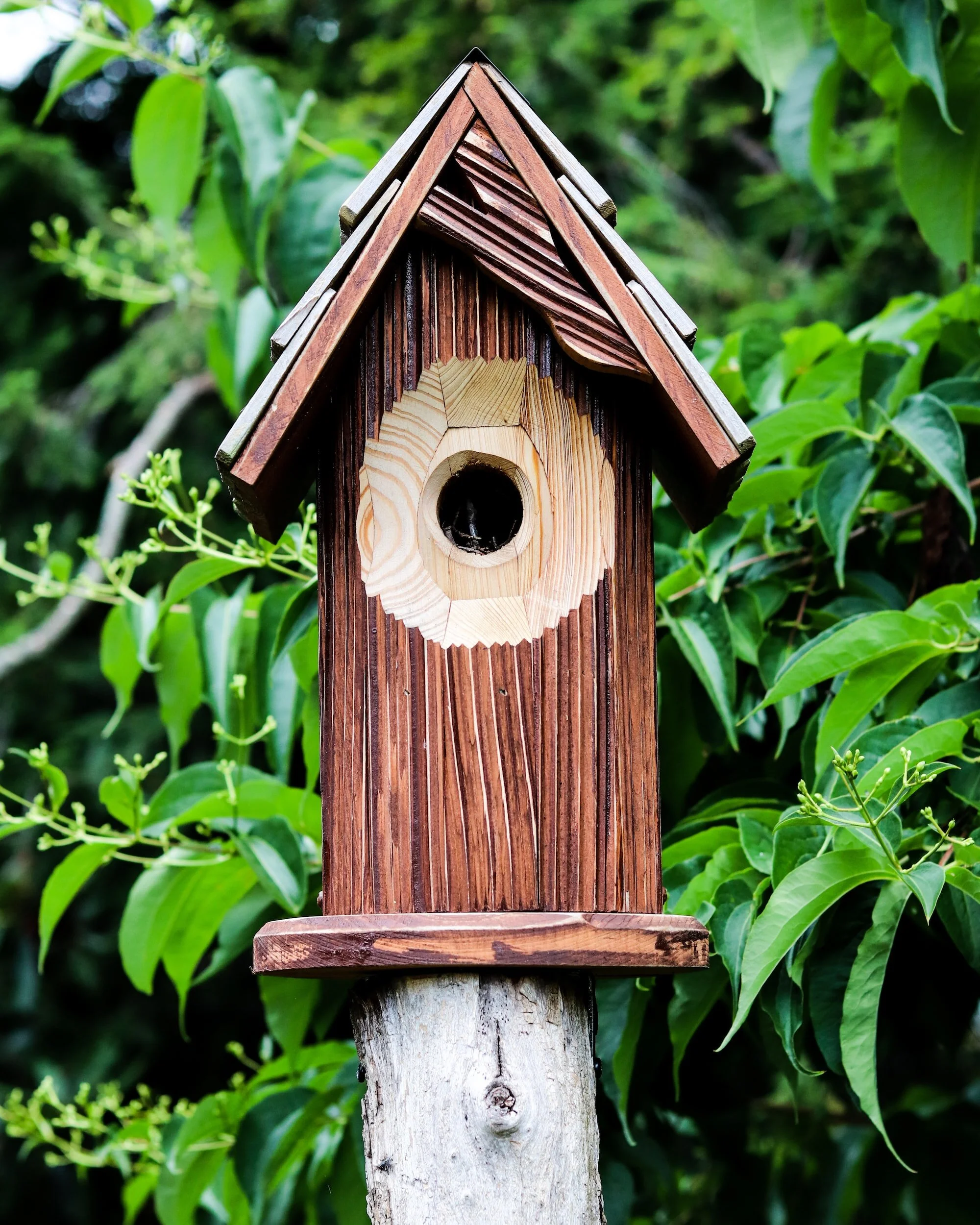
Providing suitable nesting sites is crucial for attracting mosquito-eating birds to your detention pond. Different species have distinct preferences for nesting locations, so it's important to offer a variety of options. Install birdhouses, nesting boxes, and platforms at various heights and orientations around the pond. Research the specific requirements of local bird species to ensure the structures are designed to meet their needs. By creating safe and suitable nesting opportunities, you encourage birds to establish their homes near the pond.
4. Food Sources:
Mosquito-eating birds require a diverse diet to thrive. Incorporate a variety of plants that produce seeds, fruits, or nectar to attract a broader range of insects and other invertebrates. Consider planting species that flower at different times throughout the year, providing a consistent food source for birds. Additionally, leaving areas of the detention pond undisturbed can allow natural vegetation to grow, attracting insects and small aquatic organisms that birds can feed on.
5. Minimize Chemical Use:
To maintain a healthy ecosystem and attract mosquito-eating birds, it's crucial to minimize the use of chemicals in and around the detention pond. Pesticides and herbicides not only harm insects and other potential food sources for birds but can also disrupt the delicate balance of the ecosystem. Instead, focus on creating a natural and pesticide-free environment that supports a robust food chain for avian species.
6. Educational Signage and Conservation Efforts:

Raise awareness among your community about the importance of attracting mosquito-eating birds and the role of detention ponds in supporting local wildlife. Install educational signage near the pond to inform visitors about the significance of the habitat and the benefits of the birds' presence. Encourage conservation efforts such as birdwatching events or educational programs to foster a sense of stewardship and appreciation for the avian species.
Conclusion:
By implementing these strategies to attract mosquito-eating birds to your detention pond, you can transform it into a thriving ecosystem that benefits both wildlife and water management. A diverse array of native vegetation, water features, suitable nesting sites, and natural food sources are key to attracting a variety of bird species. Remember, it is important to maintain a balanced ecosystem by minimizing chemical use and promoting conservation efforts.
Pest Control
Pest control sounds like a simple part of stormwater management. Today, property owners do not want to be part of a Zika virus story and view pest control as a serious part of their stormwater management. When Buck Outdoors manages a designated stormswater area, we develop a pest control strategy based on the goal to either prevent pests, suppress pests, or eradicate pests.
Preventing a pest means there are no existing signs of a particular pest, say kudzu. Realizing that neighboring properties have kudzu invasion, we will implement a simple plan to prevent the problem from existing. Pest prevention is easier and cheaper than dealing with the pest. For instance, with kudzu rather than applying chemicals, we would changing the mowing routine to prevent a kudzu take over.

Suppressing pests mean there is an existing problem and the tolerance level for the pest does not require complete eradication of the pest. For instance, water fowl may be present on a body of water. The property owners may appreciate having a pair of geese at the far end of the pond. Buck Outdoors then implements a plan to suppress the geese population and encourage the pair to stay in the preferred area of the pond.
Eradicating pests mean there is an existing problem and there is no tolerance for the pest. Rarely is eradication the goal for outdoor management, because it is difficult and expensive.
As Buck Outdoors assists with pest control, it is essential to monitor the pest and avoid harmful effects. Routine scouting in the designated stormwater area allows the property owner to be aware of the type of pests present and the extreme of each pest. Once a tolerance level is reached, Buck Outdoors will lead in suppressing the pests.
Whether insects, vegetation or water fowl, improper pest control can cause more problems than the pest itself. For instance a designated stormwater area with a high weed population should not be broadcasted with pesticide, killing all vegetation present and polluting the watershed. Buck Outdoor consider the complete system where the problem exists and makes a point to address problems with a holistic approach.
Buck Outdoors is a coveted ally with property owners in the upstate of South Carolina. Find out if Buck Outdoors is the right fit to help you with pest control in your stormwater area by connecting with us today.