
Navigating Stormwater Infrastructure Regulations
Stormwater infrastructure, a silently vital guardian of environmental well-being, mirrors the structured functionality of our road systems. Speed limits and traffic rules keep our streets organized and safe; likewise, regulations serve as the guiding principles for stormwater infrastructure, ensuring its effective operation. In essence, these regulations act as the traffic signals of the stormwater world, directing the flow of water and preventing environmental gridlock.
The comparison between stormwater infrastructure and the state's road system goes beyond mere metaphor. Both systems, intricately woven into the fabric of our communities, provide essential services that are often taken for granted until a problem arises. Roads facilitate the movement of people and goods, while stormwater infrastructure manages the flow of rainwater and runoff, preventing flooding and safeguarding water quality.
One key parallel lies in the need for a harmonious balance. Just as a well-maintained road system promotes smooth transportation, properly regulated stormwater infrastructure ensures the efficient conveyance and treatment of water. Disregarding the regulations governing stormwater management is akin to ignoring traffic rules – it disrupts the flow, causes chaos, and puts the entire community at risk.
Moreover, the consequences of neglecting stormwater regulations can extend far beyond immediate disruptions. Just as traffic violations can result in fines or legal repercussions, industries that disregard stormwater guidelines face not only environmental chaos but also financial penalties and legal consequences. This intersection between environmental responsibility and legal accountability underscores the importance of upholding regulations for the greater good.
In the realm of stormwater management, adherence to regulations is a fundamental responsibility for industries and manufacturing sites, echoing the way drivers are expected to follow traffic regulations on the roads. Stormwater regulations serve as a comprehensive framework designed to safeguard the environment and water resources. These guidelines are not arbitrary; rather, they are meticulously crafted to prevent pollution, manage runoff effectively, and uphold water quality standards.
Much like traffic regulations ensure the safety and orderliness of our roads, stormwater regulations play a crucial role in maintaining the ecological balance. They dictate how businesses handle and dispose of water runoff, demanding strategic and responsible practices to prevent harmful pollutants from entering water bodies. By adhering to these regulations, industries contribute to the preservation of aquatic ecosystems and protect the health of both the environment and the communities that rely on these water sources.
The consequences of disregarding stormwater regulations are not confined to immediate repercussions but extend to far-reaching environmental chaos. Ignoring these guidelines can result in the contamination of water bodies, disruption of natural habitats, and degradation of water quality. This environmental chaos not only poses a direct threat to aquatic life but also has cascading effects on ecosystems, human health, and the broader community.
The interconnectedness of water systems means that pollution from one source can have a domino effect, affecting downstream areas and even reaching beyond local boundaries. Additionally, as water is a shared and finite resource, the consequences of neglecting stormwater regulations can have a lasting impact on the availability and quality of water for both current and future generations.
Subsequently, stormwater regulations prevent pollution, manage runoff, and protect water quality. Through real-world examples, we understand the urgency of compliance and find positive outcomes that result from responsible stormwater management practices. Environmental stewardship requires industries to drive safely through stormwater management as they contribute to the greater goal of a sustainable and harmonious coexistence with our natural surroundings.
The ramifications of neglecting stormwater regulations extend well beyond the confines of environmental consequences; they have a profound impact on a manufacturing site's standing within the community. When industries overlook or disregard these crucial regulations, they not only sow the seeds of environmental chaos but also risk tarnishing their reputation among local residents. This tarnish goes beyond a mere blemish – it erodes the trust and goodwill that businesses rely on within their communities.
A damaged public image is just the tip of the iceberg. The legal repercussions and financial penalties that can follow violations of stormwater regulations add a layer of gravity to the situation. Regulatory bodies are empowered to impose hefty fines on businesses found in breach of environmental guidelines. These fines are not just punitive; they are intended to serve as a deterrent, signaling the seriousness with which society views environmental responsibility.
The legal consequences can escalate beyond fines, potentially leading to lawsuits and protracted legal battles. In addition to facing financial liabilities, companies may find themselves embroiled in legal proceedings that further strain resources and time. The legal system recognizes the importance of holding businesses accountable for environmental negligence, aiming to both rectify the damage caused and discourage future violations.
To underscore the severity of these issues, let's consider an example where a company polluted water systems, leaving an indelible mark on the landscape of environmental responsibility. This instance serves as cautionary tale, emphasizing the real-world impact of neglecting stormwater regulations and the enduring consequences that unfold when businesses prioritize short-term gains over long-term environmental sustainability.
As we examine this example, it becomes evident that the actions of individual businesses can have profound and lasting effects on the ecosystems they inhabit. Environmental disasters caused by corporate negligence serve as stark reminders of the need for stringent regulations, rigorous compliance, and a collective commitment to protecting our natural resources.
The story of Love Canal in Niagara Falls, New York, stands as a stark reminder of the environmental consequences that can unfold when responsible practices are neglected. In the 1950s, Love Canal became notorious for toxic waste dumping, with the Hooker Chemical Company at the center of this environmental tragedy.
The canal itself began as a dream for urban development in the early 20th century but was eventually abandoned. Hooker Chemical Company, seeking a solution for the disposal of chemical waste, acquired the site in the 1940s. Rather than adhering to responsible disposal methods or monitoring their stormwater infrastructure, Hooker Chemical Company chose a reckless path. Chemical waste was disposed of in the Love Canal, with the company covering the canal with clay and dirt in an attempt to seal off the toxic materials.
As time passed, the consequences of this irresponsible waste disposal became evident. Chemicals began leaching into the ground, contaminating the soil and groundwater. Local residents started reporting health issues, and alarming incidents of birth defects and illnesses emerged. The toxins that had been buried beneath the ground were now posing a severe threat to the health and well-being of the community.
The Love Canal disaster came to a head in the 1970s when the extent of the environmental and health hazards became impossible to ignore. The incident played a pivotal role in the creation of the Environmental Protection Agency (EPA) in 1970. The EPA was established to address and prevent environmental disasters like Love Canal, ensuring the protection of public health and the environment through regulatory oversight and enforcement.
Constant monitoring is a key lesson drawn from the Love Canal disaster. Had there been vigilant monitoring of stormwater infrastructure and responsible waste disposal practices, the catastrophic consequences could have been averted. The incident underscored the need for stringent regulations, oversight, and enforcement to prevent industries from neglecting environmental responsibilities.
Today, the Love Canal serves as a symbol of the importance of constant vigilance and regulatory oversight in preventing reckless treatment of environmental resources. It highlights the role that organizations like the EPA play in safeguarding communities and the environment. The lessons from Love Canal continue to resonate, emphasizing the imperative of responsible industrial practices, proper monitoring of stormwater infrastructure, and the ongoing commitment to environmental stewardship to prevent such environmental disasters in the future. {{READ MORE}}
In drawing parallels between the road system and stormwater infrastructure, it becomes evident that both rely on a set of rules and regulations to ensure order, safety, and the overall well-being of the community and the environment. Just as traffic rules guide the movement of vehicles to prevent accidents and maintain smooth flow, stormwater regulations serve as the guiding principles to prevent environmental chaos and safeguard the ecological balance.
The rules governing stormwater infrastructure are not arbitrary; they are crafted with a deep understanding of environmental science and the intricate dynamics of water systems. Adherence to these regulations is paramount for the effective functioning of stormwater infrastructure, preventing pollution, mitigating flooding risks, and preserving the quality of water resources. Disregarding these guidelines is akin to navigating the waters without a compass, leading to chaos that can have far-reaching consequences.
Love Canal’s environmental disaster serves as a powerful cautionary tale. When regulations are ignored, the consequences can be severe and long-lasting. From contaminated water sources to disrupted ecosystems, the fallout of such negligence extends well beyond immediate concerns, impacting the health and well-being of communities and the environment.
As we navigate the waters of stormwater infrastructure, it is incumbent upon us to prioritize responsible practices. This involves not only complying with existing regulations but also adopting a proactive approach to environmental stewardship. Embracing sustainable stormwater management practices is an investment in the future – a commitment to leaving a cleaner, healthier environment for the generations to come.
By prioritizing responsible practices, businesses and communities contribute to the broader goal of environmental sustainability. This includes implementing innovative stormwater management techniques, investing in green infrastructure, and fostering a collective awareness of the importance of water conservation. As we look ahead, let us recognize the interconnectedness of our actions with the health of our environment and strive for a harmonious coexistence where stormwater infrastructure, much like a well-maintained road system, plays a pivotal role in creating a sustainable and resilient community.
In conclusion, the decision to hire a third-party inspector for stormwater infrastructure is not merely an option but a strategic imperative for businesses committed to environmental responsibility. As we've explored the parallels between stormwater management and the road system, the importance of adherence to regulations, and the consequences of neglecting responsible practices, it becomes evident that constant monitoring is the linchpin for success.
By enlisting the services of a third-party inspector, businesses can proactively ensure that their stormwater management systems operate at optimal efficiency while complying with stringent regulations. The parallels drawn with historical examples, such as the Love Canal disaster, underscore the lasting repercussions of neglecting environmental responsibilities.

A third-party inspector brings an unbiased and expert perspective, conducting thorough assessments and providing valuable insights that internal monitoring may overlook. This not only mitigates the risk of environmental chaos but also safeguards a company's reputation within the community and protects against legal and financial repercussions.
As we navigate the waters of stormwater infrastructure, let us prioritize responsible practices and recognize that constant monitoring is the key to preventing reckless treatment of environmental resources. Investing in a third-party inspector is an investment in the long-term sustainability of both businesses and the environment, fostering a harmonious coexistence for the benefit of current and future generations. In this collective effort towards responsible stormwater management, hiring a third-party inspector emerges as a prudent and essential choice.
Unearthing the Challenges: Groundhogs and Detention Ponds

Detention ponds play a crucial role in managing stormwater runoff, but they can encounter various challenges when it comes to wildlife interactions. One such challenge arises from groundhogs, also known as woodchucks, which can cause a range of issues in and around detention ponds. In this post, we will delve into the problems groundhogs can cause in detention ponds and explore potential solutions to mitigate these challenges.
1. Burrowing Activities:
Groundhogs are notorious for their burrowing habits, and detention ponds can be attractive locations for them to dig burrows. These burrows can undermine the integrity of the pond's embankments, leading to erosion and potential structural damage. The network of tunnels can also disrupt the natural flow of water, affecting the efficiency of the pond in managing stormwater.
2. Vegetation Damage:
Groundhogs are herbivores and have a voracious appetite for vegetation. They can cause significant damage to the surrounding plantings and vegetation around the detention pond. Groundhogs feed on a variety of plants, including grasses, flowers, and even small shrubs. Their feeding activities can hinder the growth of desired vegetation and disrupt the aesthetic appeal of the area.
3. Flooding Risks:
The burrowing activities of groundhogs can create underground channels and pathways that divert water from its intended flow within the detention pond. This diversion can result in localized flooding, as water may bypass the pond or accumulate in unintended areas. The altered hydrological patterns can impact the pond's functionality and compromise its ability to effectively manage stormwater.
4. Structural Integrity:
As groundhogs burrow near the embankments of detention ponds, their activities can weaken the structural integrity of the pond. Over time, this can lead to erosion, soil instability, and potential breaches in the embankments. The compromised structure not only poses a risk to the functionality of the detention pond but can also increase the potential for property damage and safety hazards.
5. Safety Concerns:
Groundhog burrows can create hidden hazards, especially if they are located near walking paths, recreational areas, or commonly used areas around the detention pond. Unseen burrow entrances can cause injuries if people or pets accidentally step into them. Additionally, groundhogs may exhibit territorial behavior and become aggressive if they feel threatened, posing risks to human safety.
Mitigating Groundhog Problems can be a challenge. However, the sooner a problem is address properly, the greater your success rate. Here are some ways to decrease the threat of groundhog nuisance:
1. Exclusion Techniques:
Implement fencing or barriers around the detention pond area to deter groundhogs from accessing the site. Use durable materials that are buried underground to prevent burrowing beneath the barriers.
2. Habitat Modification:
Remove vegetation and debris near the detention pond that may attract groundhogs. Regularly maintain the vegetation around the pond to limit potential food sources and discourage groundhog activity.
3. Burrow Management:
If groundhogs have already established burrows, consider working with professionals experienced in wildlife management. They can safely and humanely address the burrowing issues, such as filling in burrows or implementing exclusion techniques specifically designed for groundhogs.
4. Educating the Community:
Raise awareness among the local community about the challenges posed by groundhogs in detention ponds. Encourage residents to report groundhog sightings or signs of burrowing activity to the appropriate authorities or homeowners' associations for timely intervention.
5. Implementing Best Management Practices:
Work with local experts, environmental agencies, or landscape professionals to develop and implement best management practices for detention pond design and maintenance. Incorporating groundhog-resistant features in the pond's design can help minimize potential issues from the outset.
While groundhogs can present challenges in detention ponds, understanding their behavior and implementing appropriate mitigation strategies can help alleviate these problems. By

The Intriguing Connection Between Sun Dogs and Rain: Unveiling Nature's Signpost
The dazzling prismatic spots of light that sometimes grace the sky, hold a fascinating connection to impending rain. These atmospheric phenomena, also known as sun dog, mock suns or parhelia, are not only a spectacle for the eyes but can also serve as nature's subtle signpost hinting at the possibility of rain.
**Understanding Sun Dogs:**
Sun dogs are optical phenomena created by the refraction, dispersion, and reflection of sunlight through ice crystals in the Earth's atmosphere. Typically appearing as bright spots on either side of the sun, sun dogs often exhibit a spectrum of colors, mirroring the hues of a rainbow.
**Ice Crystals in Cirrus Clouds:**
Sun dogs are most commonly associated with cirrus clouds, which are high-altitude clouds composed of ice crystals. These tiny, hexagonal ice crystals act as prisms, bending and dispersing sunlight much like a glass prism would. When sunlight encounters these ice crystals, the result is the formation of sun dogs.
**A Prismatic Forecast:**
While sun dogs themselves don't directly indicate rain, their presence in the sky is often associated with specific atmospheric conditions conducive to precipitation. Cirrus clouds, which give rise to sun dogs, are often harbingers of changing weather patterns.
**The Role of Cirrus Clouds:**
Cirrus clouds are thin and wispy, appearing high in the sky. As they often precede frontal systems, their presence can signal an approaching change in weather, including the potential for rain. The moisture content in cirrus clouds can evolve into more substantial cloud formations, leading to precipitation.
**The Science of Atmospheric Changes:**
As cirrus clouds thicken and spread, they may transform into altostratus or nimbostratus clouds, which are associated with rain or snow. Observing sun dogs, therefore, can be seen as a visual clue that atmospheric conditions may be shifting, possibly heralding the arrival of precipitation in the near future.
**Embracing Nature's Wonders:**
Sun dogs, with their prismatic allure, remind us of the intricate interplay between sunlight, ice crystals, and atmospheric conditions. While they don't guarantee rain, their presence prompts us to pay attention to the ever-changing sky and appreciate the subtle signals nature provides.
In conclusion, the appearance of sun dogs serves as a captivating reminder of the dynamic and interconnected processes within our atmosphere. Keep an eye on these celestial gems, and you might find yourself attuned to the intricate dance of light and weather patterns, alluding to the possibility of rain in the days to come. Nature, with its myriad wonders, continues to captivate us, offering subtle hints and visual delights for those who pause to observe.
Guardians of the Waters: The Role of SCDHEC in Detention Pond Management
Detention ponds play a vital role in stormwater management, ensuring the safe and controlled flow of water while mitigating the risk of flooding and protecting water quality. In South Carolina, the South Carolina Department of Health and Environmental Control (SCDHEC) holds a significant responsibility in overseeing the regulation and management of detention ponds. In this blog post, we explore the important role SCDHEC plays to ensure proper functioning and maintenance of detention ponds throughout the state.
SCDHEC serves as the primary regulatory authority for stormwater management in South Carolina. The department establishes guidelines and regulations that dictate the design, construction, and maintenance of detention ponds. These regulations aim to protect water quality, minimize impact of stormwater runoff on the environment, and ensure functionality of detention ponds in managing excessive water flow.
SCDHEC is responsible for issuing permits and approvals for the construction and modification of detention ponds. Developers and builders must obtain the necessary permits from SCDHEC to ensure compliance with the state's stormwater management regulations. The department reviews the design plans, specifications, and engineering calculations associated with detention ponds to ensure they meet the required standards before granting permits.
SCDHEC conducts inspections of detention ponds to assess their compliance with regulatory requirements. These inspections may include evaluating the functionality of the pond, checking for proper sedimentation and erosion control measures, assessing water quality, and verifying adherence to maintenance schedules. Inspections help identify any deficiencies or non-compliance issues that need to be addressed by the responsible parties. Note that the routine inspections are generally performed by municipality regulators. Even still, these inspections must follow SCDHEC’s guidance.
As custodians of environmental health, SCDHEC monitors the water quality of detention ponds and the receiving water bodies downstream. This includes assessing pollutant levels, measuring nutrient concentrations, and evaluating the overall ecological health. By monitoring water quality, SCDHEC ensures that detention ponds effectively reduce pollutants in stormwater runoff and prevent contamination of waterways.
SCDHEC provides technical assistance and educational resources to stakeholders involved in the management of detention ponds. The department offers guidance on best management practices for pond design, construction, and maintenance. SCDHEC's expertise helps ensure that detention ponds are effectively designed and maintained, reducing the risk of structural failures, water quality degradation, and environmental harm.
In cases of non-compliance or failure to meet regulatory standards, SCDHEC has the authority to take enforcement actions. These actions may include issuing compliance orders, imposing fines or penalties, and requiring corrective actions to be taken by the responsible parties. By enforcing compliance, SCDHEC upholds the integrity of stormwater management regulations and promotes accountability in the proper maintenance and functioning of detention ponds
The South Carolina Department of Health and Environmental Control (SCDHEC) plays a critical role in the management and regulation of detention ponds. Through its guidance, permitting processes, inspections, and enforcement actions, SCDHEC ensures that detention ponds are designed, constructed, and maintained to meet the necessary standards. By prioritizing water quality, stormwater management, and environmental protection, SCDHEC safeguards the health and sustainability of South Carolina's water resources, promoting the effective functioning of detention ponds for the benefit of communities and the environment.
The Importance of Maintaining Stormwater Infrastructure: Protecting Our Communities and the Environment
Stormwater infrastructure plays a critical role in protecting our communities and the environment from the negative impacts of stormwater runoff. However, many communities neglect the maintenance of their stormwater infrastructure, which can lead to significant issues such as flooding, erosion, and water quality problems.
Let’s discuss the importance of maintaining stormwater infrastructure and the benefits it provides.

1. Preventing Flooding
One of the primary functions of stormwater infrastructure is to prevent flooding. A well-maintained system can handle heavy rainfall and prevent water from entering homes, businesses, and streets. However, a neglected system can quickly become overwhelmed, leading to flooding and property damage.
By regularly maintaining stormwater infrastructure, we can ensure that it functions properly and protects our communities from flooding.

2. Protecting Water Quality
Stormwater runoff can contain pollutants such as oil, grease, pesticides, and fertilizers, which harms aquatic life and contaminates drinking water sources. Stormwater infrastructure plays a critical role in removing these pollutants before they enter our waterways.
Regular maintenance of stormwater infrastructure can ensure that it is functioning properly, filtering pollutants, and protecting our water quality.
3. Improving Community Aesthetics
Neglected stormwater infrastructure can become overgrown with vegetation and filled with trash, detracting from the beauty of our communities. Regular maintenance can keep stormwater infrastructure clean and attractive, improving community aesthetics and property values.
4. Cost Savings
Maintaining stormwater infrastructure can actually save communities money in the long run. Neglected infrastructure can lead to more significant problems such as erosion, flooding, and water quality issues, which can be expensive to fix. Regular maintenance can prevent these problems and save communities money on costly repairs.
In conclusion, maintaining stormwater infrastructure is critical for protecting our communities and the environment. By preventing flooding, protecting water quality, improving community aesthetics, and saving communities money. Regular maintenance is an investment in the future of our communities. By prioritizing the maintenance of our stormwater infrastructure, we ensure that it functions properly and provides the necessary protection for our communities and the environment.
Finding the Right Stormwater Inspector for Your Manufacturing Site
Stormwater management is a critical aspect of responsible environmental stewardship for manufacturing sites. Regular inspections by qualified professionals ensure compliance with regulations, protect water quality, and maintain the integrity of stormwater infrastructure. However, finding the right inspector for your manufacturing facility can be a nuanced process. Here's a guide to help you navigate this crucial search:
**1. Know Your Regulatory Landscape:**
- Understand the specific stormwater regulations and requirements applicable to your manufacturing site. Different regions may have distinct regulations, and knowing these will guide you in finding an inspector well-versed in the necessary compliance standards.
**2. Seek Industry-Specific Experience:**
- Look for inspectors with experience in stormwater management for manufacturing sites. Industry-specific knowledge is invaluable, as it ensures familiarity with the unique challenges and requirements associated with industrial stormwater runoff.
**3. Certification and Credentials:**
- Prioritize inspectors with relevant certifications and credentials. Look for individuals certified by recognized bodies such as the Certified Inspector of Sediment and Erosion Control (CISEC) or similar programs. These certifications indicate a commitment to professionalism and expertise in the field.
**4. Local Knowledge Matters:**
- Opt for inspectors familiar with local conditions, geography, and environmental concerns. Local knowledge enhances their ability to assess site-specific challenges and propose effective stormwater management solutions tailored to your manufacturing facility.
**5. Check References and Past Projects:**
- Request references from potential inspectors and inquire about their past stormwater management projects. This allows you to gauge their track record, reliability, and the success of their interventions in similar industrial settings.
**6. Regulatory Compliance Expertise:**
- Ensure that the inspector has a deep understanding of stormwater regulations relevant to your industry. Their ability to navigate complex regulatory frameworks and keep your facility in compliance is crucial for avoiding legal complications.
**7. Comprehensive Site Assessment Skills:**
- Look for inspectors who go beyond routine checklists. A competent stormwater inspector should conduct thorough site assessments, identifying potential risks, proposing tailored solutions, and providing recommendations for long-term stormwater management planning.
**8. Communication and Reporting Skills:**
- Effective communication is key. Seek inspectors who can clearly communicate their findings, recommendations, and any necessary corrective actions. Prompt and well-documented reporting is vital for both internal management and regulatory compliance.
**9. Technology Adoption:**
- Inquire about the inspector's use of technology in their assessments. Modern tools such as GIS mapping, drone technology, or data analytics can enhance the precision and efficiency of stormwater inspections, providing more accurate insights.
**10. Cost-Effective Solutions:**
- While cost is a factor, prioritize inspectors who offer cost-effective solutions without compromising quality. A balance between affordability and expertise ensures that your manufacturing site receives the best value for stormwater management services.
**Conclusion:**
Selecting the right stormwater inspector for your manufacturing site is a critical decision with long-term implications for environmental responsibility and regulatory compliance. By considering industry-specific experience, certifications, local knowledge, and effective communication skills, you can find an inspector who not only meets compliance standards but also adds value to your overall stormwater management strategy. Invest the time in finding a qualified professional who aligns with the unique needs and goals of your manufacturing facility.

Why are annual stormwater infrastructure inspections required?
Annual inspections of stormwater infrastructure are required for several reasons, encompassing environmental protection, regulatory compliance, and the overall effectiveness of stormwater management. Here are key reasons why annual inspections are mandated:
1. **Environmental Protection:**
- Annual inspections help safeguard the environment by identifying and addressing potential issues related to stormwater runoff. Ensuring the proper functioning of stormwater infrastructure prevents the release of pollutants into water bodies, protecting ecosystems and water quality.
2. **Regulatory Compliance:**
- Many environmental regulations and permits, both at the federal and state levels, require regular inspections of stormwater infrastructure. Annual inspections demonstrate compliance with these regulations and help avoid penalties or legal consequences for non-compliance.
3. **Prevention of Infrastructure Failures:**
- Regular inspections contribute to the early detection of infrastructure issues, such as pipe disjunction, erosion, or damage. Timely identification allows for proactive maintenance and repairs, preventing larger failures that could be costly and environmentally harmful.
4. **Assessment of Effectiveness:**
- Annual inspections provide an opportunity to assess the effectiveness of stormwater management practices and infrastructure. This includes evaluating the performance of sediment basins, retention ponds, and other control measures to ensure they are functioning as intended.
5. **Adjustment of Maintenance Practices:**
- Over time, the needs of stormwater infrastructure may change due to factors like land development or alterations in weather patterns. Annual inspections allow for the adjustment of maintenance practices to address evolving conditions and maintain effective stormwater management.
6. **Documentation and Reporting:**
- Regular inspections contribute to the documentation required for regulatory reporting. Maintaining comprehensive records of annual inspections helps demonstrate compliance with stormwater management plans and regulatory requirements.
7. **Public Health and Safety:**
- Stormwater runoff can carry pollutants that pose risks to public health and safety. Annual inspections ensure that stormwater infrastructure is functioning properly, minimizing the potential for contaminants to enter water bodies and impact public health.
8. **Community Awareness:**
- Annual inspections contribute to community awareness by highlighting the importance of responsible stormwater management. Regular inspections demonstrate a commitment to environmental stewardship and community well-being.
9. **Adaptation to Changing Conditions:**
- Environmental conditions, land use patterns, and regulatory requirements may change over time. Annual inspections allow for the adaptation of stormwater management strategies to align with evolving conditions and ensure continued effectiveness.
10. **Long-Term Planning:**
- Insights gained from annual inspections contribute to long-term planning for stormwater infrastructure. This includes anticipating future maintenance needs, considering upgrades, and implementing sustainable practices to enhance overall system resilience.
In summary, annual inspections of stormwater infrastructure are a proactive and responsible approach to environmental stewardship. They contribute to compliance with regulations, protect water quality, prevent infrastructure failures, and promote the long-term sustainability of stormwater management practices.
A Deluge of Destruction: Unveiling the Worst Floods in U.S. History
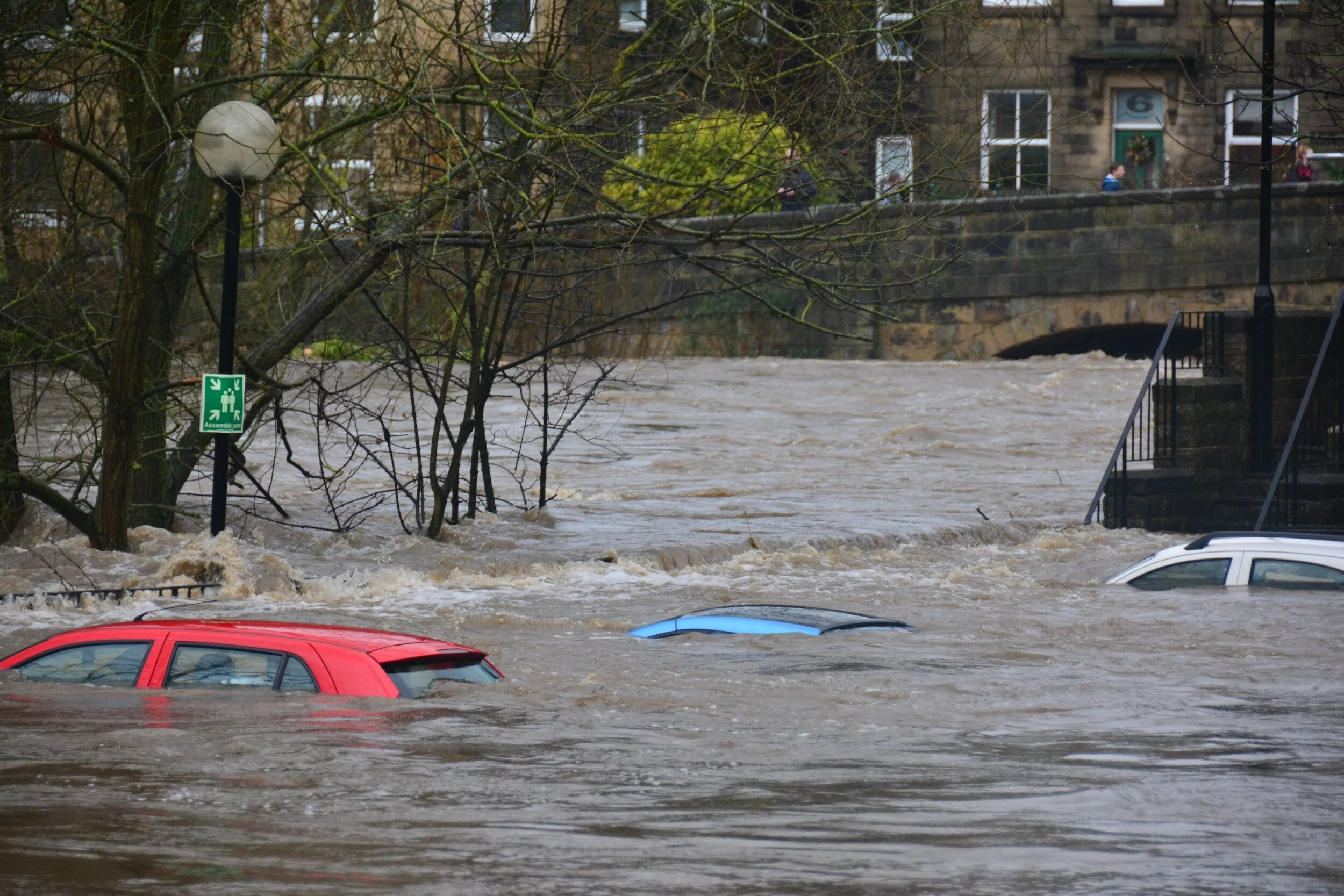
Throughout the history of the United States, devastating floods have left lasting impacts on communities, infrastructure, and the environment. From the catastrophic loss of life to extensive property damage, these events serve as stark reminders of the destructive power of nature. In this blog post, we will delve into some of the worst floods in U.S. history, highlighting their causes, impacts, and lessons learned.
The Great Mississippi Flood of 1927:
Regarded as one of the most severe floods in American history, the Great Mississippi Flood of 1927 affected multiple states along the Mississippi River. Heavy rainfall and the failure of levees led to widespread flooding, submerging over 27,000 square miles of land. Approximately 500,000 people were displaced, and the economic losses amounted to billions of dollars. This event prompted significant changes in flood control policies, leading to the creation of the Mississippi River Commission and the construction of the extensive levee system that exists today.
The Great Mississippi Flood of 1927 stands as the most devastating river flood ever witnessed in the United States. Over the span of several months in early 1927, a staggering 27,000 square miles (70,000 km2) were submerged under depths of up to 30 feet (9 m). The estimated cost of the destruction caused by this catastrophic event ranges from $246 million to $1 billion, which amounts to $4.2–$17.3 billion in today's currency (2023 dollars).
The Johnstown Flood of 1889:
On May 31, 1889, the South Fork Dam in Pennsylvania's Conemaugh Valley failed, resulting in the catastrophic Johnstown Flood. A combination of heavy rainfall, poor maintenance, and inadequate warnings led to the collapse of the dam, releasing a wall of water that barreled down the valley. The flood claimed more than 2,200 lives and caused extensive destruction to the town of Johnstown. This tragedy spurred advancements in dam safety regulations and disaster preparedness, highlighting the importance of proper infrastructure maintenance and early warning systems.
On Friday, May 31, 1889, a catastrophic event known as the Johnstown Flood, or locally referred to as the Great Flood of 1889, took place in Johnstown, Pennsylvania, United States. This disaster occurred when the South Fork Dam, situated on the south fork of the Little Conemaugh River, approximately 14 miles (23 km) upstream of Johnstown, suffered a catastrophic failure. Heavy rainfall had been persistent for several days prior to the dam's rupture, resulting in the release of a staggering 14.55 million cubic meters of water. The volumetric flow rate during this event briefly matched the average flow rate of the mighty Mississippi River. Tragically, the flood claimed the lives of 2,208 individuals and caused immense destruction, amounting to US$17,000,000 in damages, which would be equivalent to $512,707,407 in 2021.
The Great Flood of 1993:
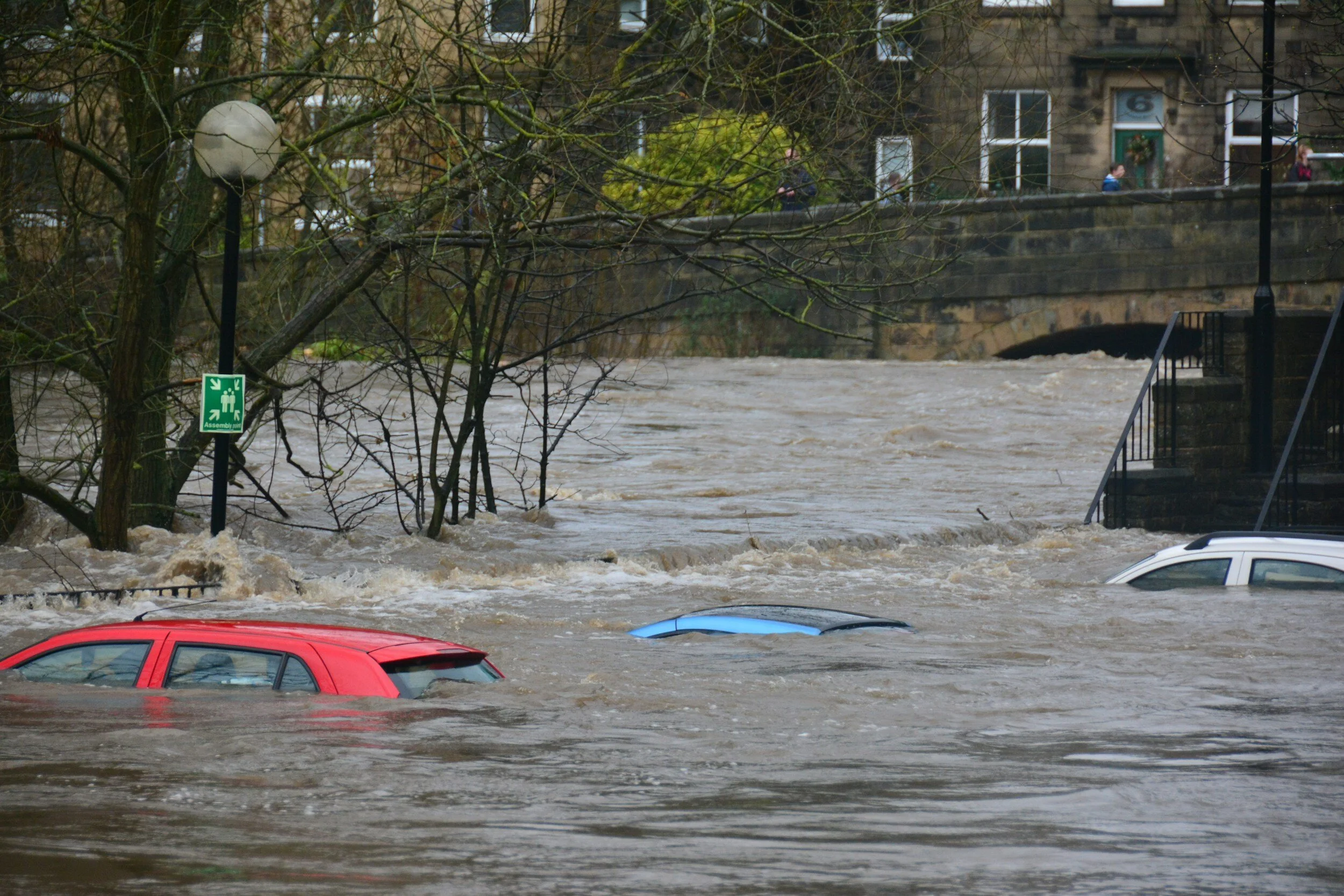
Many dangerous scenarios played out as the Missouri River crested its banks in 1993.
Spanning several months, the Great Flood of 1993 affected multiple states in the Midwest, including Missouri, Illinois, and Iowa. A combination of prolonged rainfall and saturated soil led to widespread flooding along major rivers, including the Mississippi and Missouri. Thousands of homes were damaged or destroyed, agricultural losses were substantial, and numerous levees failed. This event emphasized the need for improved floodplain management, including better land use practices, levee system upgrades, and enhanced coordination between local, state, and federal agencies.
From April to October 1993, the Midwestern United States experienced a catastrophic event known as the Great Flood of 1993. This flood affected regions along the Mississippi and Missouri rivers as well as their tributaries. It stands as one of the most devastating and expensive floods in the history of the United States, resulting in approximately $15 billion worth of damages.
The Big Thompson River Flood of 1976:
The Big Thompson River Flood in Colorado on July 31, 1976, remains one of the deadliest flash floods in U.S. history. A slow-moving thunderstorm unleashed intense rainfall over the Big Thompson River Canyon, resulting in a sudden and devastating surge of water. The flood claimed the lives of 144 people and caused significant damage to infrastructure and property. This tragic event prompted advancements in flash flood warning systems, emergency response protocols, and improved land use planning to mitigate the risks associated with flash flooding.
In a swift and unexpected deluge, the narrow Big Thompson Canyon experienced a tumultuous flood that ravaged its river channel. This calamity resulted in extensive destruction, causing over $35 million in damages (calculated in 1977 dollars). The affected properties included 418 homes and businesses, including several mobile homes, as well as 438 automobiles. Moreover, numerous bridges, both paved and unpaved roads, power and telephone lines, and various other structures suffered significant impacts from the flood.
Hurricane Katrina and the New Orleans Flood of 2005:
Of course our list would be incomplete without one that most readers certainly remember. While Hurricane Katrina was primarily a hurricane disaster, the subsequent flooding that overwhelmed New Orleans and other areas of the Gulf Coast made it one of the most notorious flood events in U.S. history. The failure of levees and floodwalls resulted in the inundation of large parts of the city, displacing hundreds of thousands of people and causing extensive infrastructure damage. This catastrophic event highlighted the vulnerabilities of coastal regions and the need for resilient infrastructure, improved disaster response, and enhanced storm surge protection measures.
The worst floods in U.S. history have had far-reaching consequences, reshaping disaster response, infrastructure planning, and environmental management practices. These events have emphasized the importance of flood control measures, early warning systems, improved infrastructure design, and effective emergency preparedness. As we learn from these tragic experiences, it becomes increasingly crucial to invest in resilient infrastructure, sustainable land use practices, and comprehensive flood management strategies to mitigate the impacts of future flood events and safeguard our communities.
Being able to predict areas vulnerable to flooding is also very important. Buck Outdoors is currently leading in the discussion of predicting high-risk flooding areas. This goes beyond naming flood plains and basing risks calculations solely on historical events. Rather, we are able to use up to the minute monitoring devices to predict what parts of a community are ready for heavy rain events.

Understanding Septic Soil
When it comes to outdoor activities and conservation efforts, Buck Outdoors understands the importance of healthy ecosystems. Septic soil, a condition often found in detention ponds, poses a threat to water quality and the overall health of the environment. In this post, we explore what septic soil is, why it can be detrimental, and effective strategies to prevent its formation.
What is Septic Soil?
Septic soil, also known as anaerobic soil, is a condition characterized by a lack of oxygen in the soil profile. It occurs when water becomes trapped, restricting the flow of oxygen and creating an environment where anaerobic bacteria thrive. Septic soil is typically associated with poorly drained areas, including detention ponds and other low-lying landscapes.
Why is Septic Soil Bad?
1. Nutrient Imbalance: Septic soil is known for its altered nutrient dynamics. Without adequate oxygen, beneficial aerobic bacteria cannot effectively break down organic matter. As a result, excess nutrients such as nitrogen and phosphorus can accumulate, leading to imbalances that negatively impact water quality.
2. Foul Odors: Anaerobic decomposition in septic soil produces unpleasant odors, commonly described as a "rotten egg" smell. This can diminish the enjoyment of outdoor activities, impact nearby residents, and deter wildlife from the area.
3. Harmful to Aquatic Life: The excessive nutrients and low oxygen levels associated with septic soil create an environment that can be harmful to aquatic life. Algal blooms and reduced oxygen levels (hypoxia) can occur, leading to fish kills and disruption of the entire aquatic ecosystem.
Preventing Septic Soil:
1. Proper Site Design: During the construction or development of detention ponds or other landscapes, it is crucial to consider proper site design. This involves assessing soil conditions, slope, and drainage patterns to ensure effective water movement and prevent waterlogging.
2. Implementing Vegetation: Planting native wetland vegetation, such as emergent grasses and aquatic plants, can aid in reducing septic conditions. These plants help promote oxygenation, stabilize soils, and absorb excess nutrients.
3. Adequate Drainage: Properly designed and maintained drainage systems, including ditches, swales, and culverts, help prevent water accumulation and promote healthy water flow. Regular inspection and maintenance are essential to ensure optimal functionality.
4. Regular Monitoring: Regular monitoring of water quality parameters such as oxygen levels, nutrient concentrations, and pH can help identify potential septic soil conditions early. Timely intervention can prevent further deterioration and allow for targeted mitigation strategies.
Protecting the health of our natural environments, such as detention ponds, is crucial for the well-being of ecosystems and the enjoyment of outdoor activities. Septic soil poses significant threats to water quality, aquatic life, and overall ecosystem balance. By implementing proper site design, promoting vegetation, ensuring adequate drainage, and conducting regular monitoring, we can prevent septic soil formation and maintain healthy, thriving landscapes. Buck Outdoors understands the importance of these practices and actively contributes to the preservation of our natural habitats.

What Causes a Disjointed Pipe in Stormwater Infrastructure
Disjointed pipes in stormwater infrastructure can result from various factors, and identifying the underlying causes is crucial for effective maintenance and prevention. Common reasons for disjointed pipes include:
Settlement and Soil Shifting:
Natural settlement or shifting of the soil can cause pipes to move or become disjointed. Changes in soil conditions, such as subsidence or erosion, may lead to misalignment or separation of pipe sections.
Poor Installation Practices:
Incorrect installation techniques, such as inadequate compaction of the soil around pipes or improper backfilling, can contribute to pipe displacement over time. Insufficient support during installation may lead to instability.
Ground Movement:
Geological factors, such as seismic activity or ground movement, can cause pipes to shift or become disjointed. This is particularly relevant in regions prone to earthquakes or other geological events.
Corrosion and Deterioration:
Corrosion of pipe materials, especially in metal pipes, can weaken the structural integrity over time. Deterioration due to aging, exposure to harsh environmental conditions, or chemical reactions can lead to pipe disjunction.
Freeze-Thaw Cycles:
In colder climates, freeze-thaw cycles can exert pressure on pipes. The expansion and contraction of water within the pipes during freezing and thawing can contribute to pipe movement and potential disjunction.
Traffic or Construction Activities:
Heavy traffic or construction activities in the vicinity of stormwater pipes may cause soil disturbance, leading to pipe displacement. Vibrations from construction equipment can also contribute to pipe movement.
Poor Quality Materials:
The use of low-quality or substandard materials in pipe construction may result in premature deterioration and failure. Poor-quality joints or connections can contribute to pipe disjunction.
Inadequate Support Structures:
Lack of proper support structures, such as insufficient bedding or inadequate use of pipe bedding materials, can contribute to pipe movement and dislocation.
Tree Root Intrusion:
Tree roots seeking water sources can penetrate and disrupt stormwater pipes, leading to misalignment or separation. This is more common in older systems with vulnerable pipe materials.
Hydraulic Pressure:
High hydraulic pressures within the stormwater system, caused by sudden surges or excessive flow rates, may contribute to the displacement of pipes.
Lack of Maintenance:
Insufficient or irregular maintenance of stormwater infrastructure can allow issues to go unnoticed and escalate over time, contributing to pipe disjunction.
Identifying the specific cause of disjointed pipes requires a thorough inspection and assessment by qualified professionals. Regular maintenance, proper installation practices, and monitoring for potential issues can help prevent or address disjointed pipes in stormwater infrastructure.