

5 Fascinating and Fun Facts You Didn't Know About the Rain
Rain, the natural phenomenon that brings life to our planet, has a myriad of fascinating aspects that often go unnoticed. Delve into the intriguing world of rain with these five fun facts that are sure to captivate your curiosity:
**1. The Scent of Petrichor:**
- Ever wondered why rain has a distinctive earthy scent when it first falls? This enchanting aroma is known as petrichor, a term derived from Greek words meaning "stone" and "blood of the gods." It arises from a combination of oils released by soil-dwelling bacteria, compounds from decomposed plant matter, and ozone created by lightning. So, that refreshing smell after rain is nature's own perfume!
**2. The Remarkable Shape of Raindrops:**
- Contrary to the classic teardrop shape depicted in cartoons, raindrops are not perfectly spherical. As they fall, air resistance and surface tension cause raindrops to flatten at the bottom and take on a shape resembling a hamburger bun. This unique shape contributes to their stability and helps them merge with other raindrops on their way down.
**3. The 7 Olympic pool Rule:**
- Have you ever wondered how much water a substantial rainfall event can bring? On average, one inch of rain falling over one acre of land is equivalent to about 27,154 gallons of water. So, when it rains, picture an immense quantity – enough to fill seven Olympic-sized swimming pools – pouring over just one acre.
**4. The Colorful Magic of Rainbows:**
- Rainbows are a dazzling display of physics and light. Each raindrop acts like a tiny prism, refracting sunlight into its component colors. The familiar sequence of colors in a rainbow—red, orange, yellow, green, blue, indigo, and violet—occurs due to the varying angles at which light is bent. Next time you spot a rainbow, marvel at the science behind this vibrant meteorological phenomenon.
**5. The Musicality of Rain:**
- Rainfall has inspired poets, musicians, and artists for centuries. Beyond its visual beauty, rain produces a symphony of sounds. The pitter-patter on rooftops, the rhythmic drumming on leaves, and the soothing resonance of raindrops hitting various surfaces create a melodic backdrop. This natural percussion has even been incorporated into genres like ambient music to evoke a sense of calm and connection with nature.
Embrace the wonder of rain and its enchanting characteristics. From the captivating scent of petrichor to the rhythmic dance of raindrops, these fun facts invite you to appreciate the beauty and science that surround this everyday marvel. The next time rain graces your day, let these fascinating facts add an extra layer of awe to the experience.

Turn your detention pond into an attractive part of your neighborhood
Creating a beautiful spot around your neighborhood detention pond not only enhances its aesthetic appeal but also contributes to the overall well-being of the local community. Here are some tips to help you create a beautiful and inviting area around your neighborhood detention pond:
1. Native Plantings:
Choose native plants that thrive in your region's climate and soil conditions. Native plants require less maintenance, are well adapted to the local ecosystem, and attract native wildlife. Select a variety of flowering plants, shrubs, and grasses to add color and texture to the area. Consider planting species that bloom at different times of the year to ensure year-round visual interest.
2. Diverse Vegetation:
Create layers of vegetation by incorporating trees, shrubs, and groundcover plants. This not only adds visual depth but also provides habitat and food sources for a variety of wildlife. Select trees that are suitable for wet or damp soil conditions, as detention ponds often have fluctuating water levels. Plant shrubs with different heights and textures to create visual diversity and offer nesting and shelter options for birds and small mammals.
3. Wildlife-Friendly Features:
Introduce birdhouses, bird feeders, and butterfly houses around the pond to attract a diverse range of wildlife. Provide nesting boxes for cavity-nesting birds and create butterfly-friendly areas by planting nectar-rich flowers. Add a bird bath or shallow water feature to provide drinking and bathing opportunities for birds and other wildlife.
4. Benches and Seating Areas:
Install benches or seating areas strategically around the pond to encourage residents to relax and enjoy the surroundings. Consider placing them in shaded areas or where there are scenic views. These seating areas can serve as peaceful retreats for residents to observe wildlife or simply unwind.
5. Walkways and Trails:
Create paths or trails around the pond to encourage exploration and provide opportunities for exercise and relaxation. Use natural materials like gravel or wood chips for a more rustic look. Ensure the paths are well-maintained and accessible to all residents, including those with disabilities. Place signage along the trails to provide information about the flora, fauna, and environmental significance of the area.
6. Educational Signage:
Install educational signage around the pond to raise awareness about the importance of detention ponds, water conservation, and native wildlife. Include information about the various plant and animal species that can be found in the area, as well as the ecological benefits of the detention pond for the neighborhood.
7. Lighting:
If the detention pond area is used in the evenings, consider installing soft lighting to create a safe and inviting atmosphere. Use low-intensity lighting fixtures that are energy-efficient and directed downward to minimize light pollution and disturbance to nocturnal wildlife.
8. Maintenance and Community Involvement:
Organize community clean-up days or volunteer groups to help maintain the beauty of the area. Regularly remove litter and invasive plant species, and prune or trim vegetation as needed. Encourage residents to take pride in the neighborhood and participate in the upkeep of the detention pond and its surroundings.
Remember to consult with local authorities or homeowners' associations regarding any permits or guidelines that may be in place for modifying or enhancing the detention pond area. By creating a beautiful spot around your neighborhood detention pond, you can foster a sense of community, provide habitat for wildlife, and offer residents a peaceful and visually pleasing environment to enjoy.

7 Amazing Facts That Many People are Unaware of Regarding Stormwater
Stormwater can be a valuable resource: Properly managed, it can be collected and used for irrigation or even replenishing groundwater.
Green infrastructure benefits stormwater management: Features like green roofs and permeable pavement can absorb and filter rainwater, reducing runoff.
Urban heat island effect is mitigated by stormwater management: Green spaces and water features in cities can help cool the environment and combat rising temperatures.
Stormwater innovation is advancing: Technologies like smart sensors and real-time monitoring are enhancing stormwater management strategies.
Stormwater promotes biodiversity: Well-designed stormwater systems can create habitats for various plant and animal species, contributing to urban biodiversity.
Education is key in stormwater management: Community awareness and involvement play a crucial role in maintaining effective stormwater practices.
Stormwater impacts water quality: Uncontrolled runoff can introduce pollutants, emphasizing the importance of responsible stormwater management to preserve water quality.
When Should I Dredge Detention Pond
Why do I need to dredge my detention pond? How often should I dredge my pond? Is dredging pond expensive?

Designing Resilient Stormwater Systems for Climate Change
At Buck Outdoors, we believe that staying informed about the latest innovations in stormwater management is crucial for designing resilient systems that can withstand the impacts of climate change.
As climate change continues to impact our communities, designing resilient stormwater systems has become more important than ever. Extreme weather events, such as heavy rainfall and flooding, are becoming more frequent, putting our infrastructure and communities at risk.
At Buck Outdoors, we believe that staying informed about the latest innovations in stormwater management is crucial for designing resilient systems that can withstand the impacts of climate change. That's why we have created a YouTube channel where we regularly share insights, tips, and best practices for designing and maintaining stormwater systems.
Here are some of the key topics we cover on our YouTube channel:
1. Green Infrastructure
Green infrastructure is a key component of resilient stormwater systems. It involves using natural systems, such as plants and soils, to manage stormwater runoff, rather than relying solely on traditional "grey" infrastructure, such as concrete channels and pipes.
On our YouTube channel, we cover topics such as rain gardens, bioswales, and permeable pavement, which are all examples of green infrastructure solutions that can help manage stormwater runoff and reduce the impact of climate change.
2. Climate Change Adaptation
As climate change continues to impact our communities, it is important to design stormwater systems that can adapt to changing conditions. On our YouTube channel, we discuss the latest innovations in climate change adaptation, including flood-resistant design and resilient infrastructure.
3. Maintenance and Management
Maintaining and managing stormwater systems is essential for ensuring their long-term effectiveness. On our YouTube channel, we share tips and best practices for maintaining and managing stormwater systems, including regular inspections and repairs, and the use of technology for monitoring and reporting.
By staying informed about the latest innovations in stormwater management, you can design and maintain resilient systems that can withstand the impacts of climate change. Buck Outdoors' YouTube channel is a valuable resource for anyone interested in designing resilient stormwater systems.
In conclusion, designing resilient stormwater systems for climate change is crucial for protecting our infrastructure and communities. Buck Outdoors' YouTube channel provides valuable insights and information for anyone interested in learning about the latest innovations in stormwater management.
Subscribe to our YouTube channel today to stay informed and up-to-date on the latest developments in stormwater management.

Stormwater Facts by the NUMBERS
10%
Over 10% impervious surface in a watershed can lead to significant stormwater runoff issues
On average, less than 10% of rainfall infiltrates the ground, while the rest becomes runoff
16x
Urban areas can generate up to 16 times more runoff than natural landscapes
$1,000,000,000 +
Stormwater pollution costs billions annually in water treatment, ecosystem restoration, and health-related expenses
Governments and businesses worldwide are investing billions in sustainable stormwater management projects to address environmental challenges
27,000 gallons
An inch of rainfall on an acre generates over 27,000 gallons of runoff
30 +
Contaminated stormwater can pose health risks, with over 30 waterborne diseases associated with polluted water
$1,000,000
Green infrastructure can save cities millions by reducing the need for costly traditional stormwater management systems
Innovative Approaches to Managing Stormwater Runoff
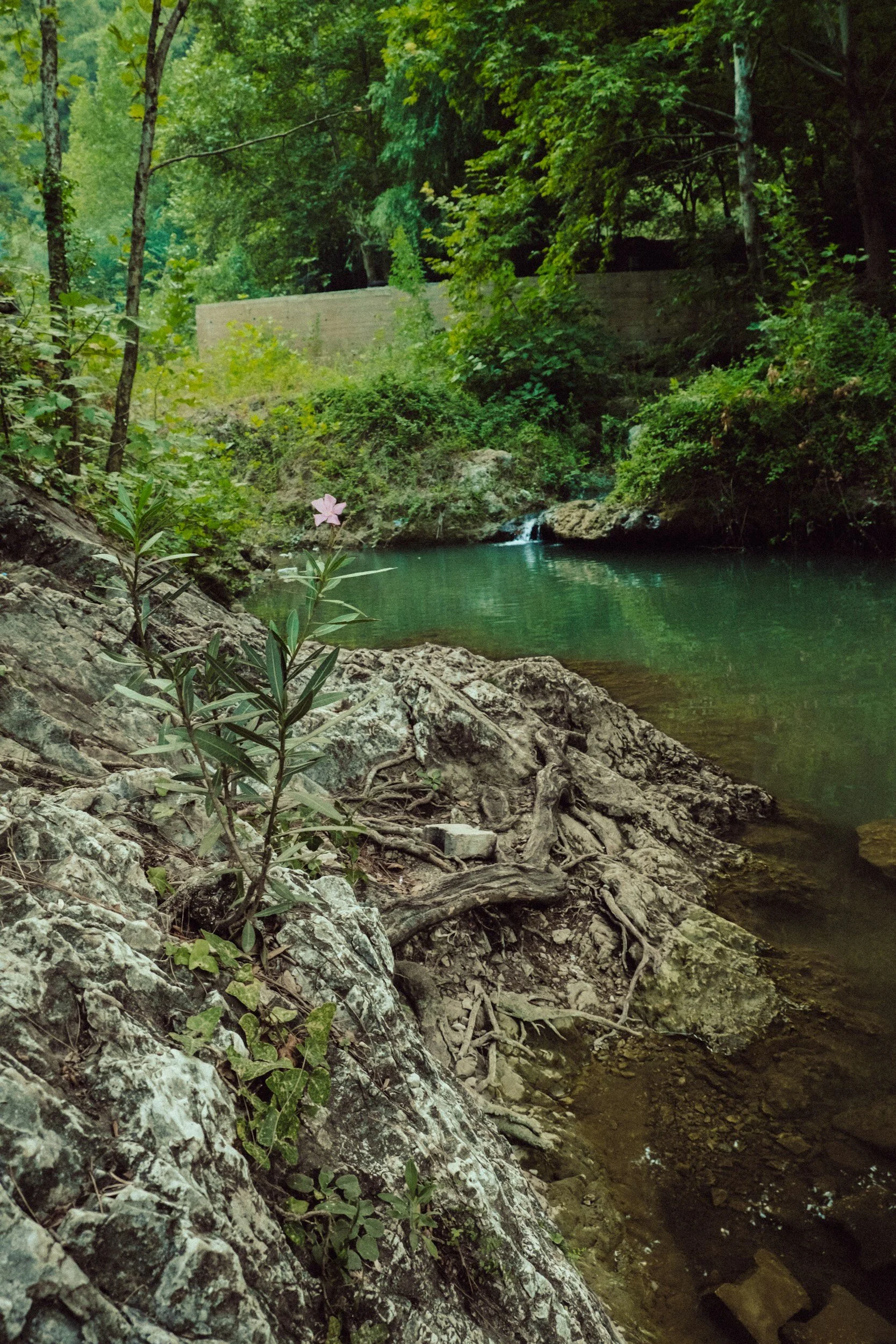
Stormwater runoff is one of the most significant challenges faced by urban areas. As impervious surfaces such as roads, roofs, and parking lots increase, the natural ability of soil and vegetation to absorb rainfall is reduced. This, in turn, leads to increased stormwater runoff, which can cause flooding, erosion, and water quality issues.
However, innovative approaches to managing stormwater runoff are being developed and implemented worldwide. These approaches use green infrastructure, low-impact development techniques, and emerging technologies to reduce stormwater runoff and improve water quality.
In this post, we will discuss some of the most innovative approaches to managing stormwater runoff and their benefits.
1. Green Infrastructure
Green infrastructure is a nature-based solution that mimics the natural water cycle. It includes practices such as rain gardens, bioswales, green roofs, and permeable pavement. These practices capture and infiltrate stormwater, reducing runoff and improving water quality.
Green infrastructure also provides a range of additional benefits, including urban heat island reduction, carbon sequestration, and improved air quality.
2. Low-Impact Development (LID)
LID is an approach that seeks to mimic pre-development hydrology by using techniques that infiltrate, evapotranspire, and detain stormwater runoff as close to its source as possible. LID practices include rain gardens, bioretention cells, and vegetated swales.
LID practices are cost-effective and offer many environmental and social benefits, including reduced runoff, improved water quality, and improved community aesthetics.
3. Emerging Technologies
Emerging technologies such as green roofs, permeable pavement, and green walls are being developed and implemented to manage stormwater runoff. These technologies have been shown to reduce runoff and improve water quality, while also providing additional benefits such as urban heat island reduction and improved air quality.
4. Comprehensive Stormwater Management Plans
Comprehensive stormwater management plans are a holistic approach to managing stormwater runoff. These plans incorporate green infrastructure, LID techniques, and emerging technologies into a comprehensive strategy that addresses the unique stormwater management needs of a particular community.
Comprehensive stormwater management plans can reduce flooding, improve water quality, and provide a range of additional benefits, including improved community aesthetics and increased property values.
In conclusion, innovative approaches to managing stormwater runoff are essential for protecting our environment and ensuring sustainable development. Green infrastructure, LID techniques, emerging technologies, and comprehensive stormwater management plans are all effective tools for reducing runoff and improving water quality. By implementing these approaches, we can create resilient, sustainable, and livable communities that benefit everyone.
Stormwater Management and Confidentiality
It's advisable to discuss these confidentiality expectations openly with the stormwater inspector before entering into a contractual agreement. This ensures a shared understanding and compliance with the confidentiality requirements.
When hiring a stormwater inspector, it's crucial to establish clear guidelines on confidentiality to protect sensitive information. Here are key aspects you may want to address:
Data and Reports:
Specify that all data collected during inspections and the resulting reports are confidential. This includes information about the manufacturing site's stormwater management systems, potential vulnerabilities, and any corrective actions taken.
Regulatory Compliance Details:
Stress the confidentiality of regulatory compliance details. Ensure that any discussions or findings related to compliance with local, state, and federal stormwater regulations are treated as confidential.
Site-Specific Information:
Emphasize the confidentiality of site-specific information. This includes details about the manufacturing processes, infrastructure layout, and any proprietary information related to the facility.
Emergency Response Plans:
Address the confidentiality of emergency response plans. Ensure that any discussions or documentation related to stormwater-related emergencies are kept confidential to avoid potential security risks.
Access Control Measures:
Highlight the importance of confidentiality regarding access control measures. This includes information about security protocols and measures in place to control access to the manufacturing site.
Employee Training Details:
Stress the confidential nature of employee training details provided during the onboarding process. This may include training materials, protocols, and any site-specific instructions.
Technology and Systems Information:
Specify that information about technology, monitoring systems, or any innovative stormwater management tools used by the manufacturing site should be treated as confidential.
Client-Specific Discussions:
Clarify that any client-specific discussions or feedback received from the manufacturing site are confidential. This helps build trust between the inspector and the hiring entity.
Legal and Regulatory Communications:
Address the confidentiality of any communications with legal or regulatory authorities. Ensure that discussions or correspondence related to compliance matters are treated as confidential.
Contractual Agreements:
Emphasize the confidential nature of the contractual agreement between the inspector and the manufacturing site. This includes terms, conditions, and any negotiations related to the service contract.
Non-Disclosure Agreement (NDA):
Consider implementing a non-disclosure agreement (NDA) that explicitly outlines the confidentiality obligations of the stormwater inspector. This legal document can provide additional protection.
Third-Party Involvement:
Clearly state whether the inspector is allowed to involve third parties in the inspection process. If third parties are involved, outline the confidentiality expectations for them as well.
Duration of Confidentiality:
Define the duration for which confidentiality is expected to be maintained. This may extend beyond the duration of the inspector's contract to protect the manufacturing site's interests.
It's advisable to discuss these confidentiality expectations openly with the stormwater inspector before entering into a contractual agreement. This ensures a shared understanding and compliance with the confidentiality requirements.
The Strategic Choice: Leveraging Third-Party Inspectors for Your Stormwater Infrastructure
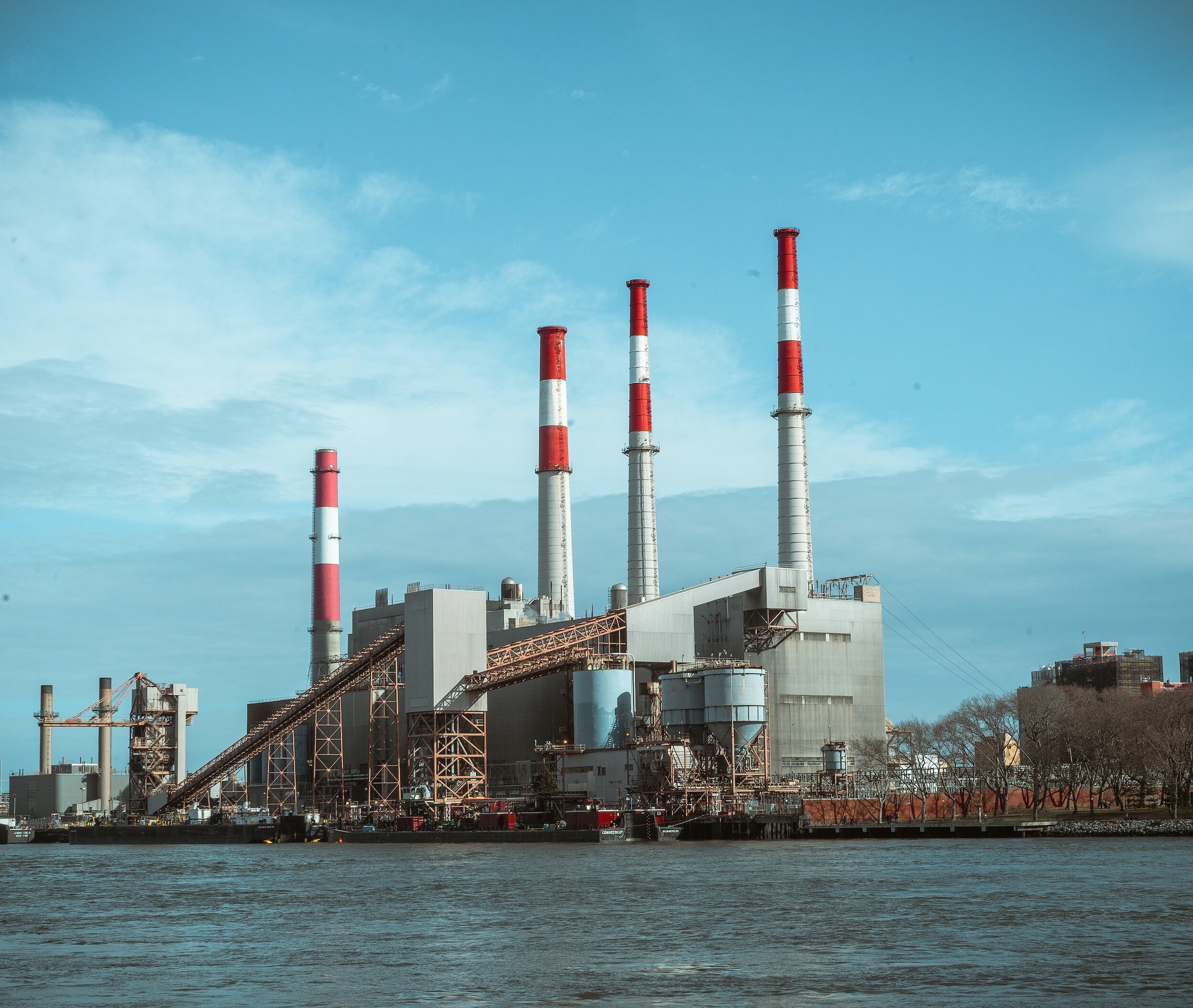
In the realm of stormwater management, facility managers play a pivotal role in ensuring the compliance and integrity of their infrastructure. One strategic decision that many forward-thinking facility managers are making is to enlist the expertise of third-party inspectors for their stormwater infrastructures. In this article, we delve into the compelling reasons behind this choice, exploring the value of professional expertise, the necessity of having an advocate with regulators, and the ethical considerations associated with third-party inspections.
1. Expertise Matters: The Value of Professional Insight
Facility managers are tasked with the intricate responsibility of maintaining stormwater infrastructures to meet both environmental regulations and operational needs. Engaging a third-party inspector brings a fresh perspective and a wealth of expertise to the table. These professionals specialize in stormwater management, possessing a deep understanding of the intricate systems and complexities involved. Their specialized knowledge ensures that inspections are thorough, accurate, and aligned with the latest industry standards. By tapping into this expertise, facility managers can confidently navigate the complexities of stormwater management, minimizing risks and optimizing the efficiency of their systems.
2. Navigating Regulatory Waters: Having an Advocate with Regulators
Stormwater regulations can be a maze, and facility managers often find themselves navigating complex compliance requirements. Third-party inspectors act as advocates, bridging the gap between facility managers and regulatory authorities. These professionals understand the intricacies of environmental regulations and possess the know-how to ensure that stormwater systems align with the latest standards. By having a dedicated advocate, facility managers can proactively address compliance issues, stay abreast of regulatory changes, and mitigate potential penalties. This proactive approach not only safeguards the facility but also fosters a positive relationship with regulators, positioning the facility as a responsible steward of the environment.
3. Ethics in Inspection: The Importance of Third-Party Integrity
Ethics form the backbone of any inspection process, and third-party inspectors bring an added layer of integrity to the table. As impartial observers, their focus is solely on evaluating the stormwater infrastructure objectively. This impartiality helps to uncover potential issues that may be overlooked by in-house personnel. Furthermore, third-party inspectors adhere to a strict code of ethics, ensuring transparency, accountability, and unbiased reporting. Facility managers can trust that the inspection process is conducted with the highest level of integrity, instilling confidence in the reliability of the findings.
In conclusion, the decision to utilize third-party inspectors for stormwater infrastructures is a strategic move that brings a multitude of benefits to facility managers. From harnessing professional expertise to having a dedicated advocate with regulators and upholding the highest ethical standards, third-party inspections elevate the overall effectiveness of stormwater management. As facility managers navigate the ever-evolving landscape of environmental compliance, partnering with third-party inspectors emerges as a proactive and strategic choice for ensuring the longevity and sustainability of stormwater infrastructures.
The Value of Annual Stormwater Inspections for Commercial Sites
Stormwater runoff can pose a significant threat to the environment and surrounding communities if not properly managed. For commercial sites, it's important to prioritize stormwater management to ensure compliance with regulations, reduce liability, and protect the environment. One of the most important aspects of stormwater management is annual stormwater inspections. In this blog post, we will discuss the value of annual stormwater inspections for commercial sites and why you should call 864-214-4456 today to schedule yours.


1. Compliance with Regulations
Commercial sites are subject to a variety of regulations related to stormwater management. These regulations vary by state and region and can be complex and challenging to navigate. Annual stormwater inspections can help ensure that your site is compliant with all regulations, reducing the risk of fines and legal issues.
2. Early Detection of Problems
Annual stormwater inspections can also help detect potential problems early on, before they become more serious and costly issues. An experienced stormwater inspector can identify potential sources of pollution and develop effective solutions to prevent it. This can save your business money in the long run by avoiding costly fines and reputational damage.
3. Reduced Liability
Commercial sites can face significant liability if they fail to properly manage stormwater runoff. Annual stormwater inspections can help reduce your liability by ensuring that your site is compliant with regulations and implementing effective solutions to prevent pollution.
4. Protecting the Environment
Finally, annual stormwater inspections are important for protecting the environment. Proper stormwater management can prevent pollutants from entering waterways and damaging ecosystems. By prioritizing stormwater management and scheduling annual inspections, your business can demonstrate a commitment to environmental responsibility and protect the environment for future generations.
In summary, annual stormwater inspections are essential for commercial sites to comply with regulations, detect problems early, reduce liability, and protect the environment. To schedule your annual stormwater inspection, call 864-214-4456 today and speak with a professional service provider like Buck Outdoors. Our team of experienced stormwater inspectors can help ensure that your commercial site is compliant, safe, and environmentally responsible.