FAQs About ISO 14001

What is ISO 14001?
ISO 14001 is an internationally recognized standard for Environmental Management Systems (EMS). It provides a framework for organizations to enhance environmental performance, comply with regulations, and reduce environmental impact.Who governs ISO 14001 certification?
The certification is governed by the International Organization for Standardization (ISO), based in Geneva, Switzerland. Accredited certification bodies audit and certify organizations to ISO 14001.Where does the name ISO 14001 come from?
"ISO" derives from the Greek word "isos," meaning "equal." The "14001" denotes its position as part of the ISO 14000 series of environmental management standards.What are the key principles of ISO 14001?
Key principles include environmental policy development, risk assessment, compliance with environmental laws, resource management, and continual improvement.What does EMS stand for?
EMS stands for Environmental Management System, which is a set of processes and practices that enable organizations to reduce their environmental footprint.What does the certification process involve?
The process includes implementing an EMS, conducting internal audits, and undergoing an external audit by a certification body.What are some key terms connected to ISO 14001?
Important terms include life-cycle perspective, environmental aspects, environmental objectives, and nonconformity.Who can apply for ISO 14001 certification?
Any organization, regardless of size, sector, or location, can apply for certification if they establish and maintain an EMS.What are the benefits of adopting ISO 14001?
Benefits include regulatory compliance, reduced costs through resource efficiency, improved stakeholder trust, and access to environmentally conscious markets.Is ISO 14001 mandatory?
No, ISO 14001 is voluntary. However, many businesses adopt it to demonstrate their commitment to sustainability and improve competitiveness.How does ISO 14001 address legal compliance?
ISO 14001 requires organizations to identify and comply with all relevant environmental legislation as part of their EMS.Can ISO 14001 integrate with other standards?
Yes, it integrates well with other ISO standards, like ISO 9001 for quality management and ISO 45001 for occupational health and safety.
Feel free to reach out to Buck Outdoors for guidance on ISO 14001 implementation tailored to your organization!
What is ISO 14001, and Why Should Your Company Adopt It?
ISO 14001 is the globally recognized standard for Environmental Management Systems (EMS), designed to help businesses minimize their environmental impact while adhering to regulatory requirements. This standard offers a structured framework to identify, manage, and reduce environmental risks and improve operational efficiency.
Key Features of ISO 14001
Environmental Policy Development: It requires organizations to create and commit to an environmental policy.
Risk and Opportunity Management: Helps identify risks and implement actions to mitigate them.
Resource Efficiency: Encourages better management of water, energy, and raw materials to reduce waste.
Compliance Assurance: Ensures adherence to local and international environmental laws.
Why Should Your Company Consider ISO 14001?
Adopting ISO 14001 brings tangible benefits, including:
Enhanced Reputation: Certification demonstrates your commitment to sustainability, attracting environmentally conscious investors and customers.
Operational Savings: Streamlined processes often lead to reduced costs through efficient resource use and waste reduction.
Market Access: Many global markets and contracts prioritize or require certified suppliers.
Stakeholder Trust: ISO certification signals reliability and dedication to responsible practices.
Who is Certified?

Globally, companies such as Toyota, Siemens, and Nestlé are ISO 14001-certified. Explore a comprehensive list here.
Buck Outdoors can guide your business through the ISO 14001 journey. Schedule a free consultation today to explore whether this standard is the right fit for your company. Let us help you navigate the path toward environmental excellence.
Dec 17 we will post answers to FAQs regarding ISO 14001.
Crafting Your Environmental Mission Statement: A Blueprint for Corporate Sustainability
Environmental sustainability is more than a buzzword. Rather, it is a strategic imperative that positions companies as leaders in an evolving market. An environmental mission statement encapsulates a commitment, providing a clear roadmap for corporate environmental stewardship.
The Foundation: Key Values of Sustainability
A strong sustainability commitment reflects values that resonate across stakeholders:

Transparency: Openly share goals and progress, as seen in Google’s Environmental Reports.
Accountability: Align actions with promises, demonstrated by Microsoft’s carbon-negative pledge.
Innovation: Embrace technology for sustainable solutions, such as IBM’s environmental suite.
Community Engagement: Partner with local communities to ensure shared growth and benefits, a cornerstone of Starbucks’ sustainability initiatives.
Future-Orientation: Set ambitious yet realistic goals for long-term impact, as highlighted by Nestlé’scommitment to net zero by 2050.
Engaging Stakeholders Through Sustainability
A well-crafted mission statement motivates and unites:
Investors: Clear environmental goals attract ESG-conscious investors. Programs like CDP (Carbon DisclosureProject) enable transparency and foster trust.
Employees: Sustainability builds shared purpose and pride. Companies like Salesforce highlight their green initiatives, which boost employee morale and retention.
Customers: Today’s consumers demand ethical brands. A mission statement can deepen loyalty, as seen in Patagonia’s activism for the planet.
Programs to Elevate Sustainability Efforts
Companies can amplify their impact by joining global initiatives:
The Science Based Targets Initiative (SBTi): Align your goals with climate science.
1% for the Planet: Dedicate a percentage of revenue to environmental causes.
The Pollinator Partnership: Support biodiversity through pollinator habitats.
Conservation International: Collaborate on protecting critical ecosystems.
How to Begin Your Sustainability Journey

Start by drafting an sustainability statement that reflects your unique environmental goals. Collaborate with stakeholders for authenticity and ensure it’s visible across your platforms. Companies like PepsiCo and Walmart have demonstrated how integrated messaging can drive meaningful change.
At Buck Outdoors, we specialize in helping corporations translate values into action. Let us guide you in crafting an environmental mission statement that inspires trust and drives results. Schedule a consultation today to begin your journey toward sustainable leadership.
Building a Legacy of Environmental Stewardship: Why ESG Strategies Matter
In today’s business landscape, companies are increasingly evaluated not just by financial performance but by their Environmental, Social, and Governance (ESG) strategies. A strong ESG commitment not only protects the planet but also drives long-term business success. Here's why corporations should prioritize environmental stewardship and how Buck Outdoors can help industrial campuses lead the way.

The Case for ESG Investments
Harvard Business Review highlights the link between ESG targets and financial performance, emphasizing that businesses integrating sustainability into their core strategies attract investors and improve profitability. Read the full article here. ESG strategies ensure corporations meet global expectations for sustainability while fostering innovation, reducing risks, and strengthening employee and customer loyalty. Learn more about ESG strategies here.

Leading Examples of Environmental Stewardship
Industry leaders demonstrate how sustainability can transform business operations:
Amazon is committed to achieving net-zero carbon by 2040 through investments in renewable energy and electric vehicles. Explore their goals here.
PepsiCo is investing heavily in regenerative agriculture, supporting sustainable farming practices to enhance soil health and reduce emissions. Learn about their efforts here.
Inspiring Initiatives
Beyond corporate campuses, there’s a global push for sustainability through initiatives like pollinator pathways, quail habitat restoration, and rewilding projects. These programs not only preserve biodiversity but also demonstrate the value of natural ecosystems.
Buck Outdoors: Your Partner in Sustainability
At Buck Outdoors, we help corporations adopt actionable sustainability practices tailored to industrial campuses. From enhancing biodiversity to ensuring compliance with environmental regulations, our expertise transforms challenges into opportunities. Contact us today for a fact-finding consultation to explore how your campus can champion environmental stewardship.
Together, let’s build a legacy of sustainability that benefits businesses, employees, and the planet. If you would like to learn more about ways to incorporate sustainable environmental plans on your campus, contact Buck Outdoors today to set up a free, no obligation fact-finding meeting (can be accomplished over the phone).
Friday’s post will discus crafting the Environmental Mission Statement.
Exploring the Poetry of Rain: A Lexicon of Rain-related Terms
Buck Outdoors presents a lexicon of rain-related terms, Let's dive into the exploration of these terms:
**1. Ombrophobia:**
- *Definition:* The fear of rain.
- *Use in a sentence:* Overcoming ombrophobia is essential for those who wish to find joy in the soothing sounds of raindrops.
**2. Petrichor:**
- *Definition:* The pleasant, earthy scent produced when rain falls on dry soil.
- *Use in a sentence:* After the summer storm, the petrichor filled the air, creating a sense of calm and nostalgia.
**3. Pluviophile:**
- *Definition:* Someone who finds joy and peace of mind during rainy days.
- *Use in a sentence:* As a dedicated pluviophile, Sarah loved nothing more than a cozy afternoon spent listening to the raindrops on her window.
**4. Pluvial:**
- *Definition:* Relating to or characterized by abundant rainfall.
- *Use in a sentence:* The pluvial climate of the rainforest nurtures a diverse ecosystem with lush vegetation.
**5. Serotiny:**
- *Definition:* The ecological adaptation where certain plants release seeds in response to rain or other environmental triggers.
- *Use in a sentence:* Serotiny ensures that the pine cones only release seeds during optimal conditions, such as after a rain shower.
**6. Valleity:**
- *Definition:* A slight, wishful desire for rain.
- *Use in a sentence:* As the dry season persisted, Maria couldn't help but feel a valleity for the cool relief that rain would bring.
**7. Zephyr:**
- *Definition:* A gentle, mild breeze that usually accompanies light rain.
- *Use in a sentence:* The zephyr whispered through the trees, heralding the arrival of the approaching rainstorm.
Now that you have a grasp of these rain-related terms, it's time to unleash your creativity. Student, get ready to craft a poetic masterpiece inspired by the beauty of rain and its nuances. Embrace the elements, and let the words flow like the drops of rain on a quiet afternoon. Happy writing!
Oh, and if you need a little inspiration, here’s something I crafted as an example.
Enhancing Facility Management: The Vital Role of Third-Party Stormwater Managers

In the intricate web of facility management, balancing diverse responsibilities, from electric and lighting to HVAC and roofing, can be an overwhelming task. Recognizing the need for specialized expertise, facility managers often turn to skilled contractors to navigate the complexities of stormwater infrastructure. Buck Outdoors emerges as a key player, serving as a dedicated third-party stormwater manager.
Facility managers juggle numerous components, and expecting proficiency in all areas is impractical. This is where skilled contractors, like those at Buck Outdoors, come into play. They possess a deep understanding of the intricate codes and regulations governing stormwater management at the local, state, and federal levels. This expertise ensures compliance, mitigating the risk of costly fines and legal issues.
Efficiency is paramount in facility management, and skilled contractors excel in keeping various components running seamlessly. Whether it’s optimizing stormwater drainage systems or maintaining water quality, Buck Outdoors’ team understands the importance of a well-functioning stormwater infrastructure in preserving the overall integrity of a facility.
Forecasting potential problem areas is another forte of skilled contractors. Buck Outdoors, with its wealth of experience, can identify and address potential issues before they escalate, saving facility managers both time and resources. This proactive approach contributes to the longevity and reliability of stormwater infrastructure.
Beyond these core advantages, skilled contractors bring innovation and adaptability to the table. Buck Outdoors stays abreast of industry trends and technological advancements, ensuring that your facility benefits from the latest and most effective stormwater management solutions.
In conclusion, Buck Outdoors is more than a service provider; we aspire to be an integral part of your facility management team. By offering expertise in stormwater management, we aim to alleviate the burden on facility managers, allowing them to focus on their broader responsibilities. Collaborate with us for a reliable, efficient, and compliant stormwater infrastructure – an investment in the longevity and sustainability of your facility.
DIY Guide: Building a Rain Barrel for Watering Your Flower Garden
A rain barrel can be a great addition to your garden, providing a sustainable water source for your plants. By connecting your rain barrel to a timer and soaker hose, you can automate the watering process, ensuring your flowers get the hydration they need without any extra effort from you. Here’s a step-by-step guide on how to build your own rain barrel setup.

Tools and Supplies Needed
Tools:
1. Drill with various drill bits
2. Hole saw (for cutting larger holes)
3. Jigsaw or handsaw (for cutting overflow and hose outlets)
4. Adjustable wrench
5. Pipe wrench
6. Utility knife
7. Screwdriver
8. Level
9. Tape measure
10. Pencil
Supplies:
1. Barrel: A food-grade plastic barrel (55-gallon capacity is typical). Be sure to get a dark color for algae prevention.
2. Spigot Kit: Includes spigot, washers, and nuts (some barrels on Amazon come with the spigot)
3. Overflow Kit: Includes hose or pipe, washers, and nuts (depending on type of diverter and how system is set up, overflow kit may not be needed).
4. Mesh Screen: To cover the top of the barrel and prevent debris and insects
5. Downspout Diverter: To channel water from the gutter into the barrel
6. Soaker Hose: To distribute water to your flower garden (may need landscape staples to secure in placeO
7. Hose Timer: Connects to the spigot for automated watering
8. Thread Seal Tape: To ensure a watertight seal on threaded connections
9. Cinder Blocks or Stand: To elevate the barrel for better water flow
10. Silicone Sealant: To seal any gaps around fittings
Step-by-Step Instructions
Prepare the Barrel
1. Clean the Barrel: Ensure your barrel is clean and free from any contaminants.
2. Cut the Inlet Hole: Using a hole saw, cut a hole on the top of the barrel for the downspout diverter. The size will depend on your diverter’s specifications.
Install the Spigot
1. Drill the Spigot Hole: About 2-3 inches from the bottom of the barrel, drill a hole for the spigot.
2. Attach the Spigot Insert the spigot into the hole, using washers and nuts to secure it. Apply thread seal tape to the spigot threads before tightening to ensure a watertight seal.
3. Seal the Spigot: Apply silicone sealant around the spigot hole to prevent leaks.
Set Up Overflow System
1. Drill the Overflow Hole: Near the top of the barrel, drill a hole for the overflow pipe or hose.
2. Attach the Overflow Fitting: Insert the overflow fitting into the hole, securing it with washers and nuts. Connect the overflow hose or pipe and direct it away from your house’s foundation.
3. Seal the Overflow: Apply silicone sealant around the overflow hole to ensure no leaks.
Install the Mesh Screen
1. Cut the Screen: Cut a piece of mesh screen to fit over the top opening of the down spout.
2. Secure the Screen: Attach the screen using a clamp or screws to keep it in place and prevent debris and insects from entering the barrel.
Connect the Downspout Diverter
1. Install the Diverter: Follow the manufacturer’s instructions to install the downspout diverter. This usually involves cutting the downspout and attaching the diverter, which will direct water into your barrel.
2. Connect the Diverter to the Barrel: Attach the hose from the diverter to the inlet hole on the top of the barrel.
Set Up the Soaker Hose and Timer
1. Elevate the Barrel: Place the barrel on cinder blocks or a sturdy stand to increase water pressure.
2. Attach the Timer: Connect the hose timer to the spigot on your barrel.
3. Connect the Soaker Hose: Attach the soaker hose to the timer. Lay the soaker hose throughout your flower garden, ensuring it reaches all the plants you want to water.
4. Set the Timer: Program the hose timer according to your garden’s watering needs. Remember that watering shortly after sunset causes water to stand for longer period of time increasing chance of fungus; water in the middle of the day and the water gets evaporated more quickly reducing effectiveness of the rain barrel.
Tips for Optimal Use
1. Regular Maintenance: Check the mesh screen and filters regularly to ensure they are free of debris.
2. Seasonal Care: Drain and store your rain barrel during winter to prevent freezing and cracking.
3. Monitor Water Levels: Keep an eye on water levels, especially during dry spells, to ensure your garden gets enough water.
4. Adjust the Timer: Adjust the watering schedule on the timer based on seasonal changes and weather conditions.
Conclusion
Building your own rain barrel setup to water your flower garden is a rewarding project that can save water and promote healthier plants. With the right tools and supplies, you can create an efficient system that provides consistent watering, ensuring your garden thrives. Enjoy the benefits of sustainable gardening with your new rain barrel!
Links in this article often lead to affiliate marketing. Using the affiliate links allows us to continue providing useful tips.
DIY Guide: Making Your Own Rain Barrel
A rain barrel is a fantastic way to collect and store rainwater, which you can use for various purposes around your home and garden. Not only does this help conserve water, but it also reduces your water bill. Here’s a comprehensive guide on how to make your own rain barrel, including determining the size you need, managing overflow, preventing insects, and the best ways to use your collected rainwater.
Determining the Size of Your Rain Barrel

The size of your rain barrel depends on the amount of rainfall your area receives and the size of your roof. To estimate how much water you can collect:
1. Calculate Your Roof Area: Measure the length and width of your roof. Multiply these numbers to get the square footage.
2. Determine Rainfall Volume: On average, 1 inch of rain on a 1,000 square foot roof yields approximately 600 gallons of water.
If you have a 1,000 square foot roof and your area receives about 1 inch of rain per storm, you’ll collect 600 gallons of water. Since barrels typically hold between 50-100 gallons, you might need multiple barrels or a system to divert excess water.
Controlling Overflow
To manage overflow, install an overflow hose or pipe near the top of your barrel. This will direct excess water away from your foundation to a garden or another area where it can safely drain. You can also connect multiple barrels in series to increase storage capacity.
Materials and Colors for Your Rain Barrel
Materials:
- Plastic Barrels: Durable and lightweight, plastic barrels are the most common choice. Ensure they are food-grade to avoid contamination.
- Metal Barrels: More durable but heavier and prone to rusting.
- Wooden Barrels: Attractive but require more maintenance and can degrade over time.
Colors:
- Dark Colors: Dark blue, green, or black barrels prevent algae growth by blocking sunlight.
- Camouflage: Choose colors that blend with your home's exterior for aesthetic purposes.
Preventing Insects in Your Rain Barrel
To prevent insects, especially mosquitoes, from breeding in your rain barrel:
- Screen or Mesh: Install a fine mesh screen over the top of your barrel to keep insects out.
- Tight-Fitting Lids: Ensure lids are secure and fit tightly.
- Dunkers or Bits: Use mosquito dunks or bits, which are safe for plants and animals, to kill mosquito larvae.
Importance of Filters
Filters are crucial to keep debris out of your rain barrel. Install a gutter filter or a downspout diverter with a built-in filter to catch leaves and other debris before they enter your barrel. Regularly clean your filters to maintain good water quality.
Best Uses for Rain Barrels
1. Watering Plants: Use collected rainwater for watering your garden, flower beds, and indoor plants.

2. Soaker Hoses: Connect a soaker hose to your barrel to efficiently irrigate garden beds.
3. Car Washing: Rainwater is soft and can be used for washing your car without leaving water spots.
4. Lawn Irrigation: Use rainwater to water your lawn during dry periods.
5. Cleaning Outdoor Spaces: Use collected water to clean your patio, driveway, or outdoor furniture.
6. Filling Ponds and Fountains: Use rainwater to top off garden ponds and fountains, keeping them full and healthy for aquatic life.
Conclusion
Making your own rain barrel is an excellent way to conserve water, save money, and keep your garden green. By carefully selecting the size, materials, and implementing effective overflow and insect control measures, you can create a sustainable water source that benefits your home and the environment. Enjoy the benefits of your DIY rain barrel and the satisfaction of contributing to water conservation efforts!
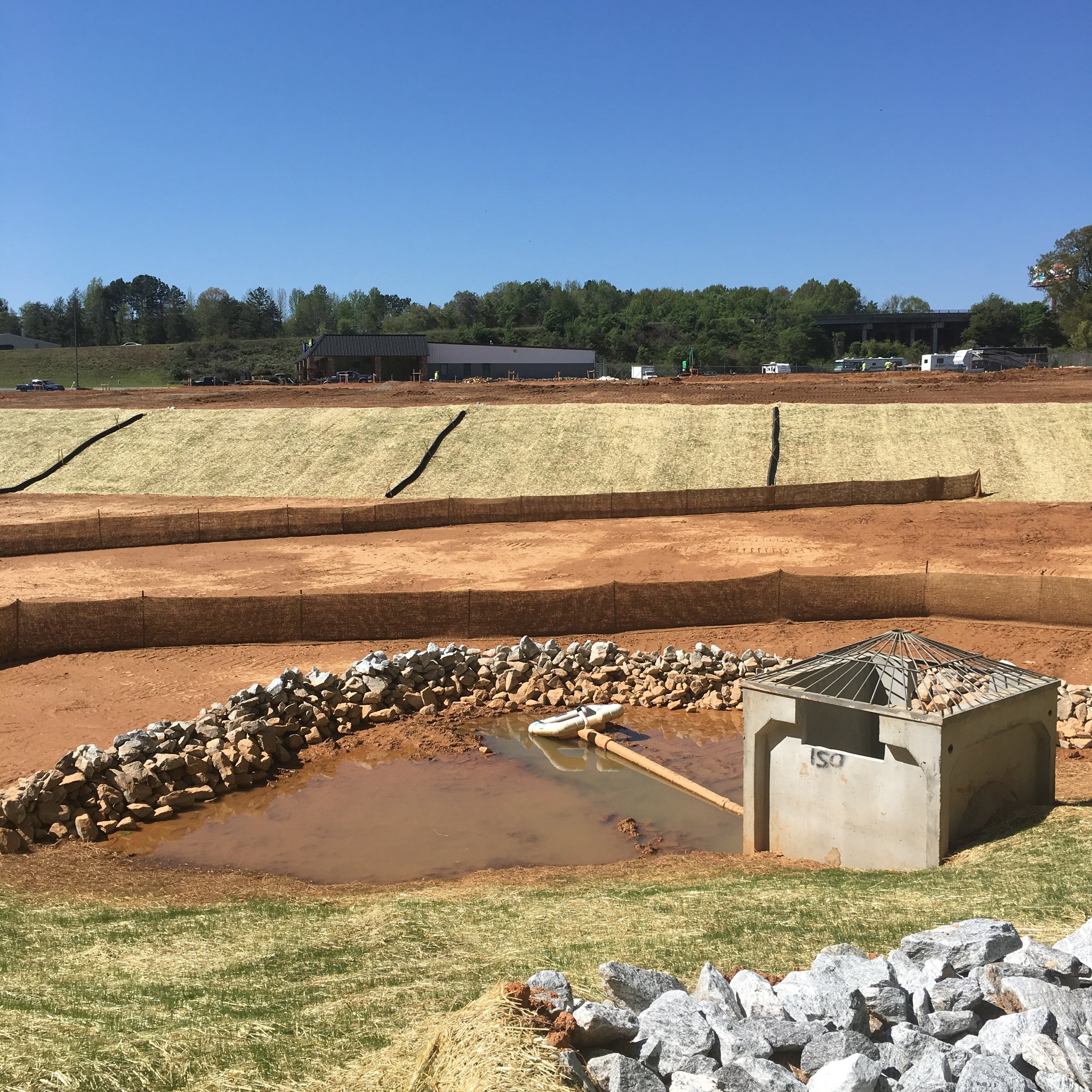
9 Commonly Used Stabilizing Materials for Erosion Control
Erosion control is essential for maintaining the integrity of your landscape and preventing soil loss. Various materials can be used for stabilizing slopes and flat ground around your home. Here's an overview of some popular options, their uses, and considerations.
Stabilizing with Mulch
Mulch is a temporary stabilization material suitable for moderate slopes and flat ground. It can be used near the foundation of buildings, but proper drainage must be ensured to prevent moisture issues. Mulch is moderately priced, with an ideal depth of 2-3 inches. Using landscape fabric underneath can enhance weed control. Maintenance involves replenishing the mulch annually or biannually as it decomposes, and monitoring for erosion to replace as needed.

Stabilizing with Straw Matting
Straw matting is ideal for temporary stabilization, particularly on steep slopes. It is not typically used near foundations due to potential fire hazards and aesthetic considerations. This low-cost option involves laying out mats and staking them into the ground, with no additional materials required. Maintenance is minimal since the mats are generally biodegradable, requiring little upkeep once vegetation is established.
Stabilizing with Pine Straw

Pine straw serves as a temporary stabilization material, effective on moderate slopes and flat ground. It can be used near the foundation, offering a natural appearance, though proper drainage is crucial. Pine straw is low to moderately priced, with an ideal depth of 2-3 inches and no need for additional materials. Annual replenishment is necessary, and it should be monitored for compaction and erosion.
Stabilizing with River Rock

River rock provides permanent stabilization, suitable for flat ground and moderate slopes. It is excellent for use near foundations as it allows for good drainage and is aesthetically pleasing. Although river rock is a high-cost option, with an ideal depth of 2-3 inches, landscape fabric underneath is recommended to prevent weeds. Maintenance is low, involving occasional weeding and repositioning of rocks.
Stabilizing with 57 Stone
57 stone is a permanent stabilization material, suitable for moderate slopes and flat ground. It is ideal for use near foundations due to its good drainage properties. The cost is moderate to high, with an ideal depth of 3-4 inches, and landscape fabric is recommended underneath. Maintenance is low, requiring occasional weeding and repositioning.
Stabilizing with Grass

Grass offers permanent stabilization, ideal for flat ground and gentle slopes. It can be used near foundations, but proper grading is essential to avoid moisture problems. Grass is a low-cost option initially, but it requires consistent watering, fertilizing, and periodic reseeding. Maintenance includes regular mowing, watering, and fertilizing to keep the grass healthy and effective at preventing erosion.
Stabilizing with Coconut Fiber Rolls (Coir Logs)
Coconut fiber rolls, or coir logs, provide temporary stabilization, best for steep slopes and shorelines. They are not typically used near foundations. This moderate-cost option involves staking the rolls into place, with no additional materials necessary. Maintenance is minimal as the logs are biodegradable and effective once vegetation is established.
Stabilizing with Erosion Control Blankets
Erosion control blankets are a temporary stabilization solution suitable for steep slopes. They are not typically used near foundations. This low to moderate cost option involves rolling out the blankets and staking them in place, with no additional materials required. Maintenance is minimal, as the blankets are biodegradable and effective once vegetation is established.
Stabilizing with Geotextiles
Geotextiles offer permanent stabilization suitable for all terrain types, especially steep slopes. They can be used near foundations for drainage and stabilization. Geotextiles are a high-cost option, involving laying the fabric and covering it with soil or gravel, requiring proper anchoring. Maintenance is low, as geotextiles are long-lasting and effective at preventing erosion.
Conclusion for erosion control materials
Choosing the right stabilizing material depends on your specific needs, the terrain, and your budget. Incorporating best management practices like terracing and drain pipes can further enhance erosion control and protect your home. Remember, effective erosion control not only preserves your landscape but also contributes to the environmental health of your property.
How Does Dry Weather Impact our Community?
Dry weather, characterized by prolonged periods without precipitation, effects our community, or watershed. To understand this impact requires a glimpse into the mechanisms at play, such as water evaporation and the cycle of weather patterns, which together shape the hydrological dynamics of an ecosystem. Additionally, dry weather brings a few benefits, including opportunities for groundwater recharge, soil health improvement, and pest control.
Evaporation and the Water Cycle
Evaporation is a key process in the water cycle, where water transforms from liquid to vapor and rises into the atmosphere. During dry weather, evaporation rates can increase due to higher temperatures and lower humidity levels. This process reduces surface water levels in rivers, lakes, and reservoirs, impacting the availability of water for various uses.
In a watershed, this loss of surface water can lead to a temporary decrease in water flow and volume, affecting aquatic habitats and water-dependent ecosystems. However, the evaporated water eventually condenses and returns as precipitation, contributing to the cyclical nature of the water cycle. This cycle ensures that the water lost to evaporation is not permanently removed but redistributed, potentially benefiting other regions.
Opportunities for Groundwater Recharge
One significant advantage of dry weather is the opportunity it creates for groundwater recharge during subsequent wet seasons. When rain finally falls after a dry spell, the ground is often better prepared to absorb the water. Several factors contribute to this:

1. Soil Permeability: Dry periods can lead to the formation of cracks and fissures in the soil. These openings allow rainwater to infiltrate more efficiently, reaching deeper soil layers and replenishing underground aquifers.
2. Vegetation Recovery: Plants and vegetation, which may have slowed their growth during dry weather, are poised to take up water more effectively once rains return. The roots help create channels in the soil that facilitate water movement.
3. Reduced Surface Runoff: When the ground is dry, it can absorb more water initially, reducing the amount of surface runoff. This not only helps recharge groundwater but also decreases the risk of flooding and soil erosion.
Additional Benefits of Dry Weather
1. Soil Health Improvement: Dry weather can help improve soil structure. The process of wetting and drying causes soil particles to clump together, enhancing soil aggregation. This, in turn, improves soil aeration and root penetration, creating a more favorable environment for plant growth when moisture returns.
2. Pest and Disease Control: Many pests and pathogens thrive in moist conditions. Dry weather can help reduce the prevalence of these organisms by creating less hospitable conditions for their development. This natural control mechanism can benefit crops and natural vegetation, leading to healthier ecosystems.
3. Enhanced Water Management Practices: Extended periods of dry weather often prompt improvements in water management practices. Awareness of water scarcity encourages the adoption of more efficient irrigation methods, better water storage solutions, and policies aimed at conserving water. These practices, developed during dry spells, can have long-lasting positive impacts on water sustainability.
Conclusion
While dry weather presents challenges such as reduced surface water and potential stress on ecosystems, it also offers significant benefits. The enhanced opportunity for groundwater recharge, coupled with improvements in soil health and natural pest control, demonstrates the resilience and adaptability of watersheds. Additionally, the push towards better water management during dry periods can lead to more sustainable practices that benefit both human populations and the environment in the long term. Understanding and leveraging these dynamics is crucial for maintaining healthy watersheds and ensuring a stable water supply.