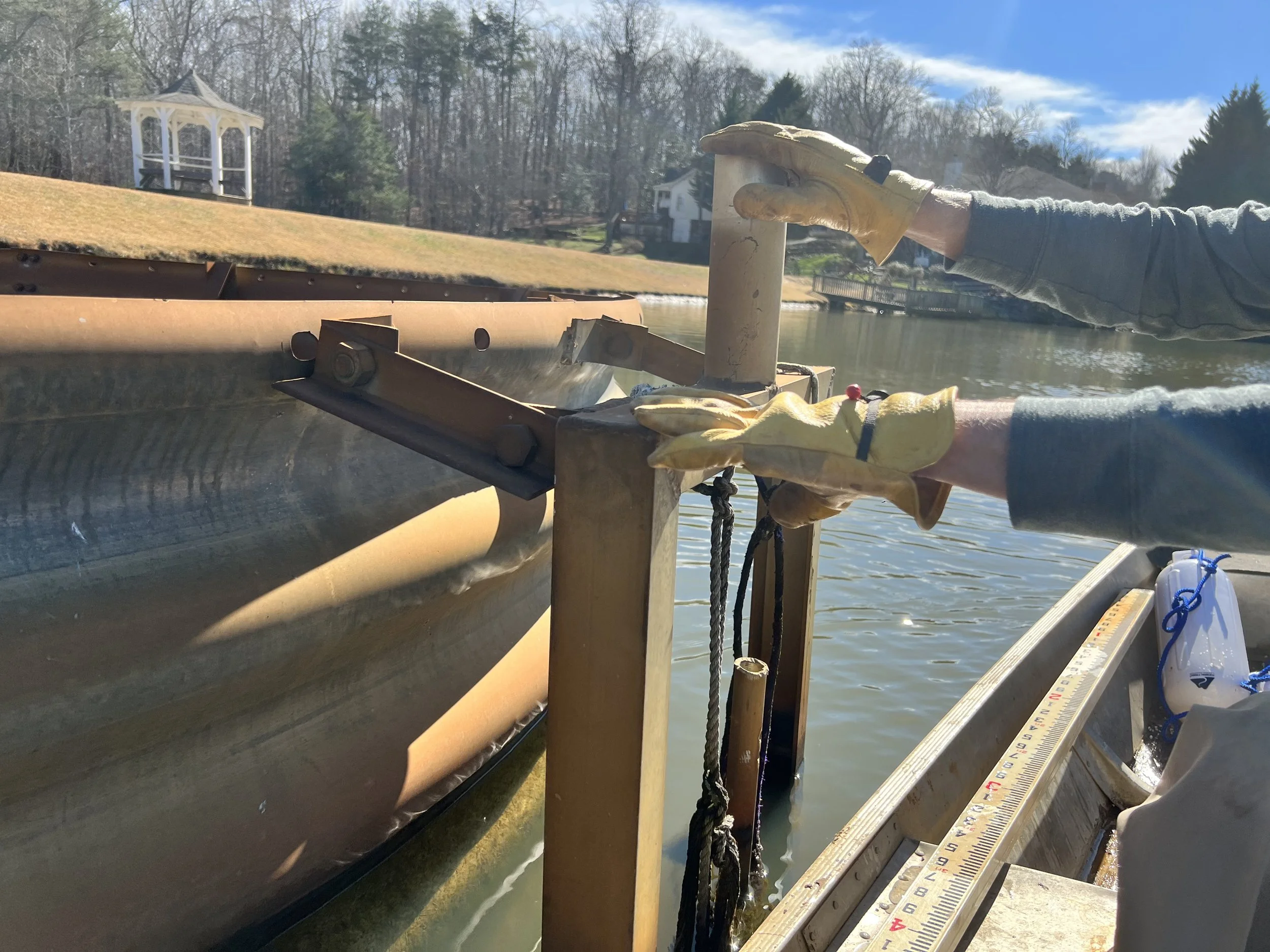
Construction Inspections
In South Carolina, an erosion and sediment control inspection is required weekly. This inspection must be conducted by a certified inspector (CEPSCI). We work with local GCs and graders and bring with us digital site boxes to help keep documents organized and communication with the office is simple.
Industrial SWPPP
Facilities that are permitted for their discharge must perform quarterly inspections as part of their Stormwater Pollutant Prevention Plan (SWPPP). Inspectors must be a stormwater professional and be assisted by an on-site member of the facility’s Stormwater Pollutant Prevention team. Documentation from this inspection must remain with the SWPPP.
PMA: Annual Inspections
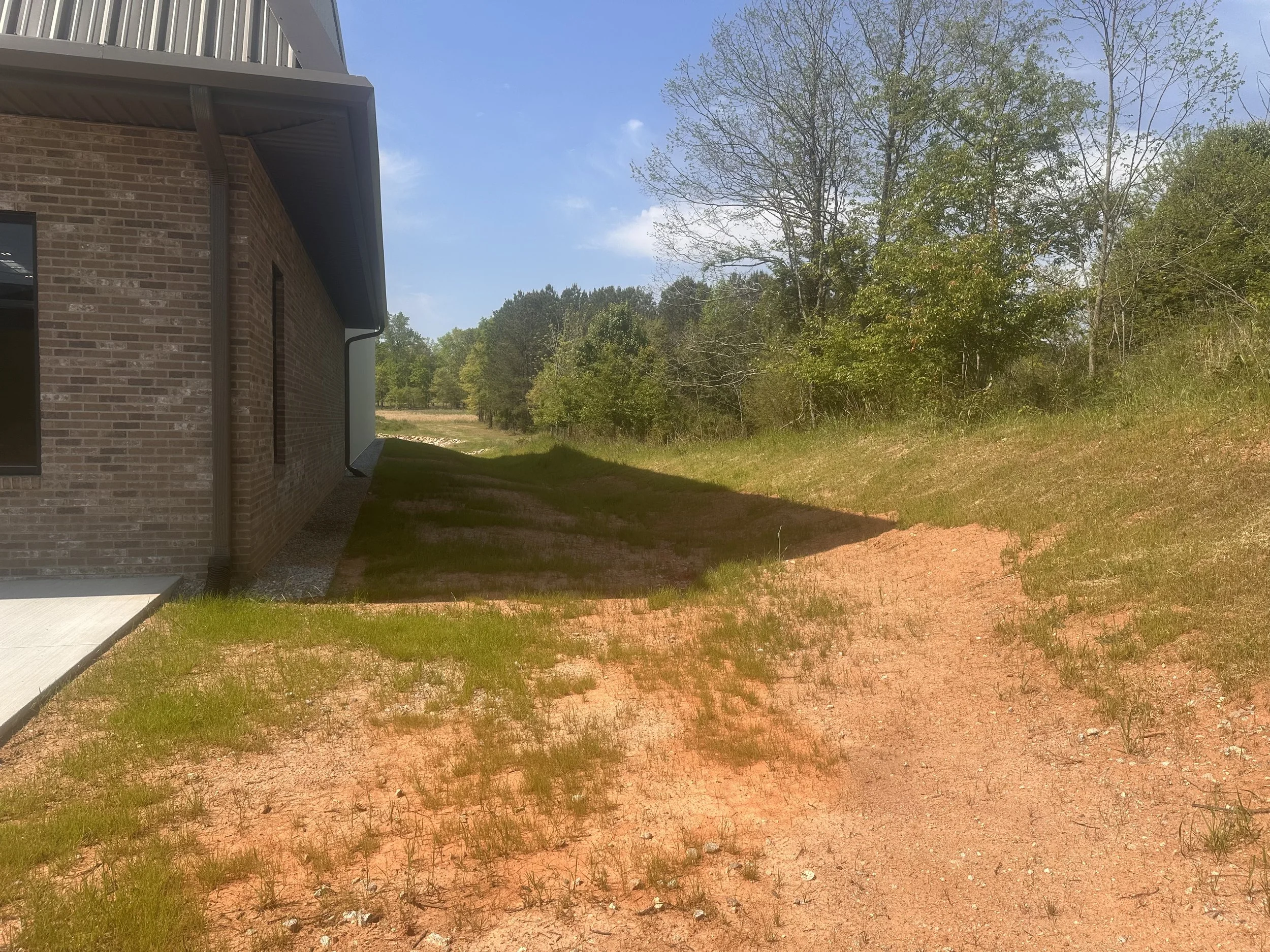
The Permanent Maintenance Agreement (PMA), requires all stormwater infrastructure to be inspected annually. This inspection often requires a certification (Post-Con BMP). Counties like Lexington (SC), require these inspections to be documented with their offices, while most counties simply ask for the documentation to be available during audits.
PMA: Owner Assessment
Many investors feel their tenants take care of the inspection through the SWPPP. However, the landowner is required to fulfill the Permanent Maintenance Agreement (PMA). While there are many overlaps between the SWPPP and PMA, the property owner needs to have an assessment that represents their interest on the property. This looks much different from what the investor/owner should perform to protect their asset.
Stormwater Inspection Described
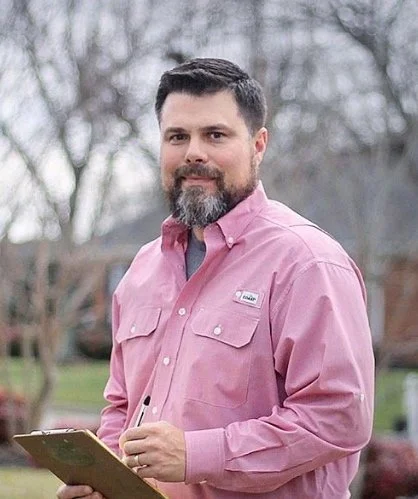
Benji Buck
Certified in both construction and post-construction inspections for North Carolina and South Carolina.
A stormwater inspection should do more than confirm everything is “working.” It gives you clarity on what’s next.
Asset Assessment – Is your system functioning as designed? Is it being cared for properly?
Corrective Action Plan – What should you keep an eye on before it becomes a problem?
CapEx Budget – Address small issues early, when they’re simpler and more cost-effective
What are stormwater structures designed to do?
Controlling QUANTITY in order to reduce flooding risk
Improving QUALITY in order to reduce pollution risk
There’s no downstream treatment for stormwater runoff. You’re infrastructure is it; therefore, a strong inspection helps you understand not just today’s condition, but your property’s ability to perform moving forward. The risks you are willing to accept, effects the whole community.
Stormwater Inspection Checklist
Your stormwater professional enters the property with a checklist. To be able to provide an official assessment of risks, one must be trained and certified. However, as the property manager, you should be able to see major signals that something is going on. We email you a checklist that can be used during routine walk throughs.
Want clarity beyond a checklist? Email us to start a conversation with a stormwater professional.
Stormwater Inspection Frequency
Regulations Framework
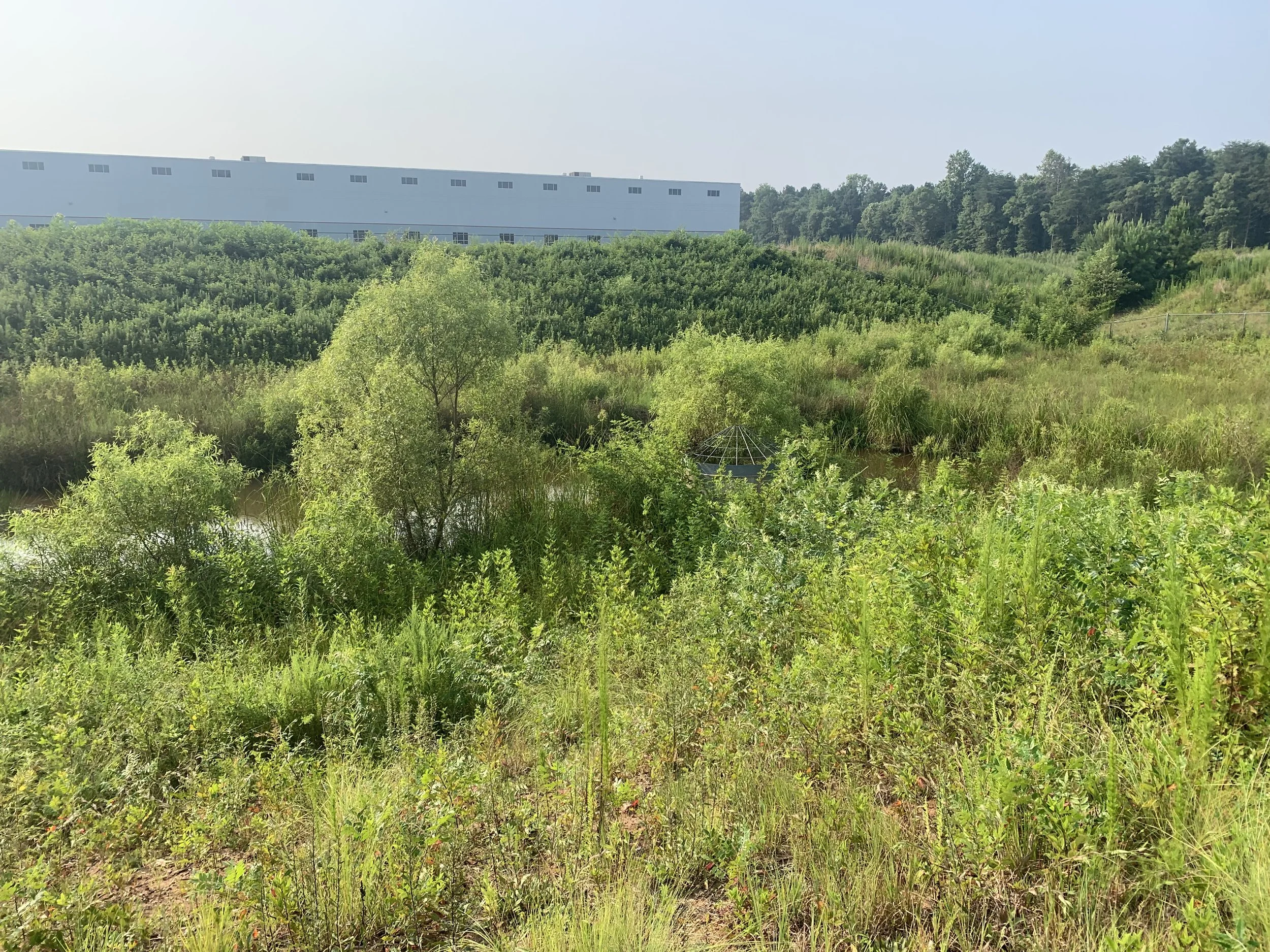
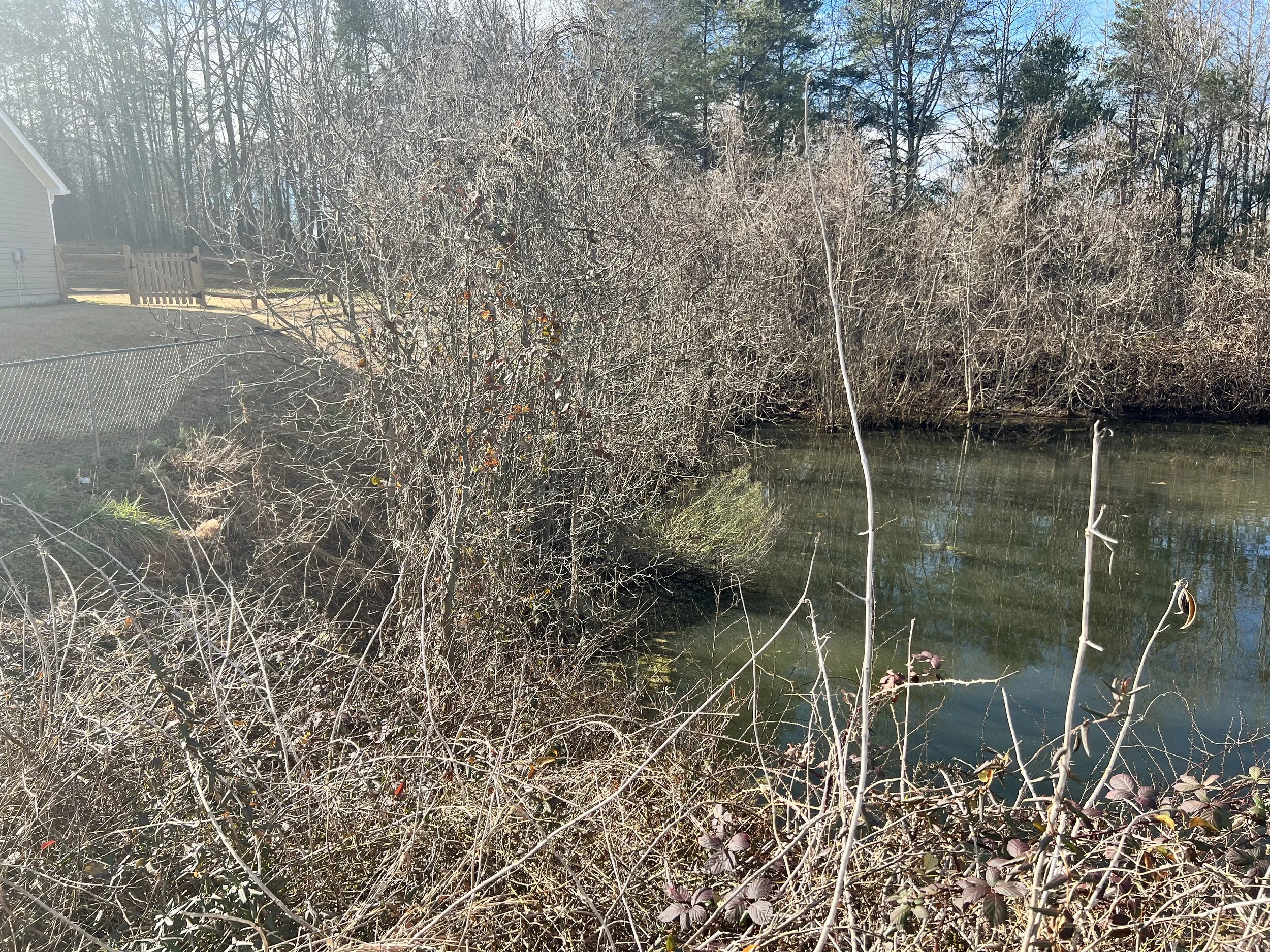
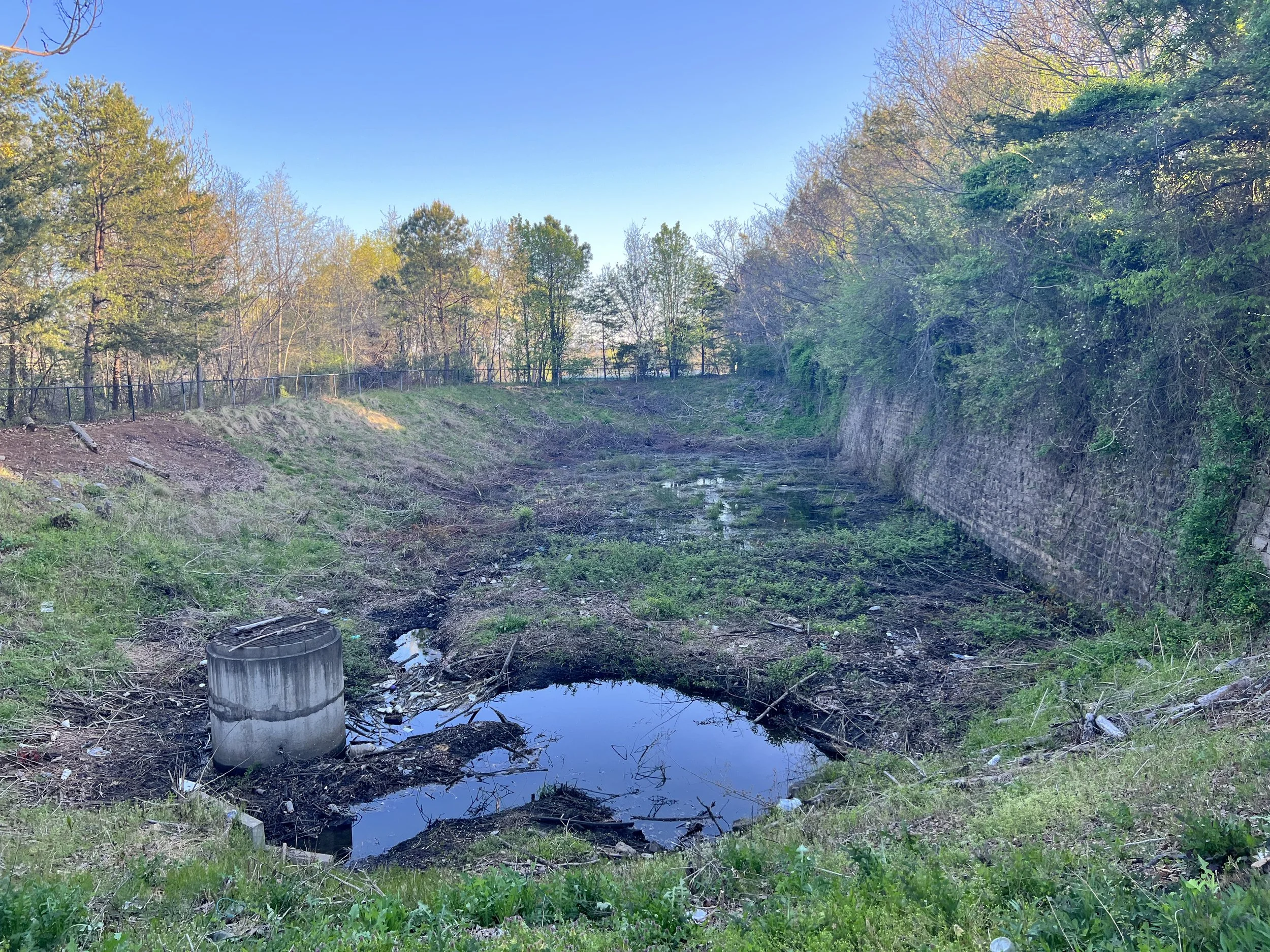
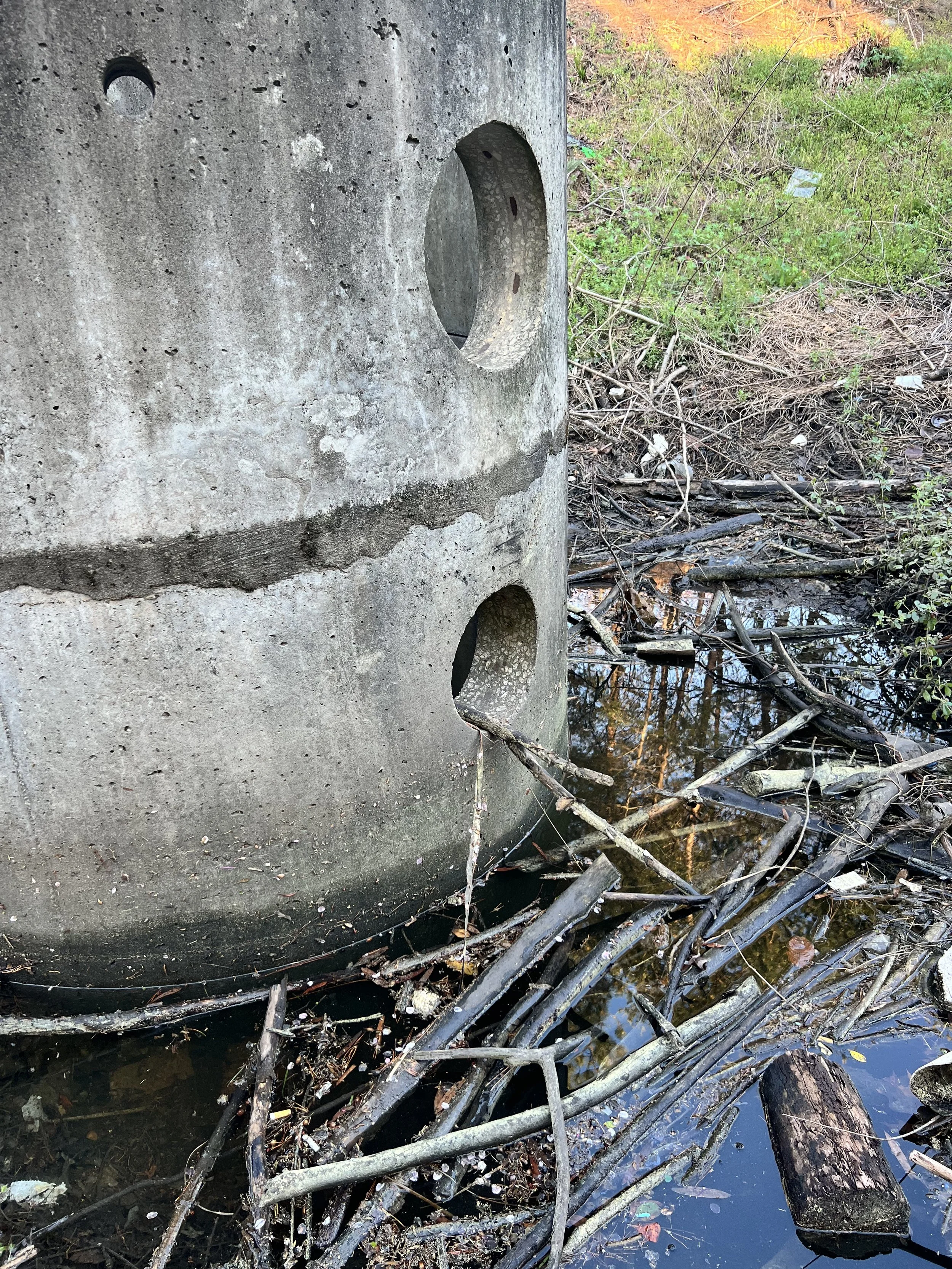
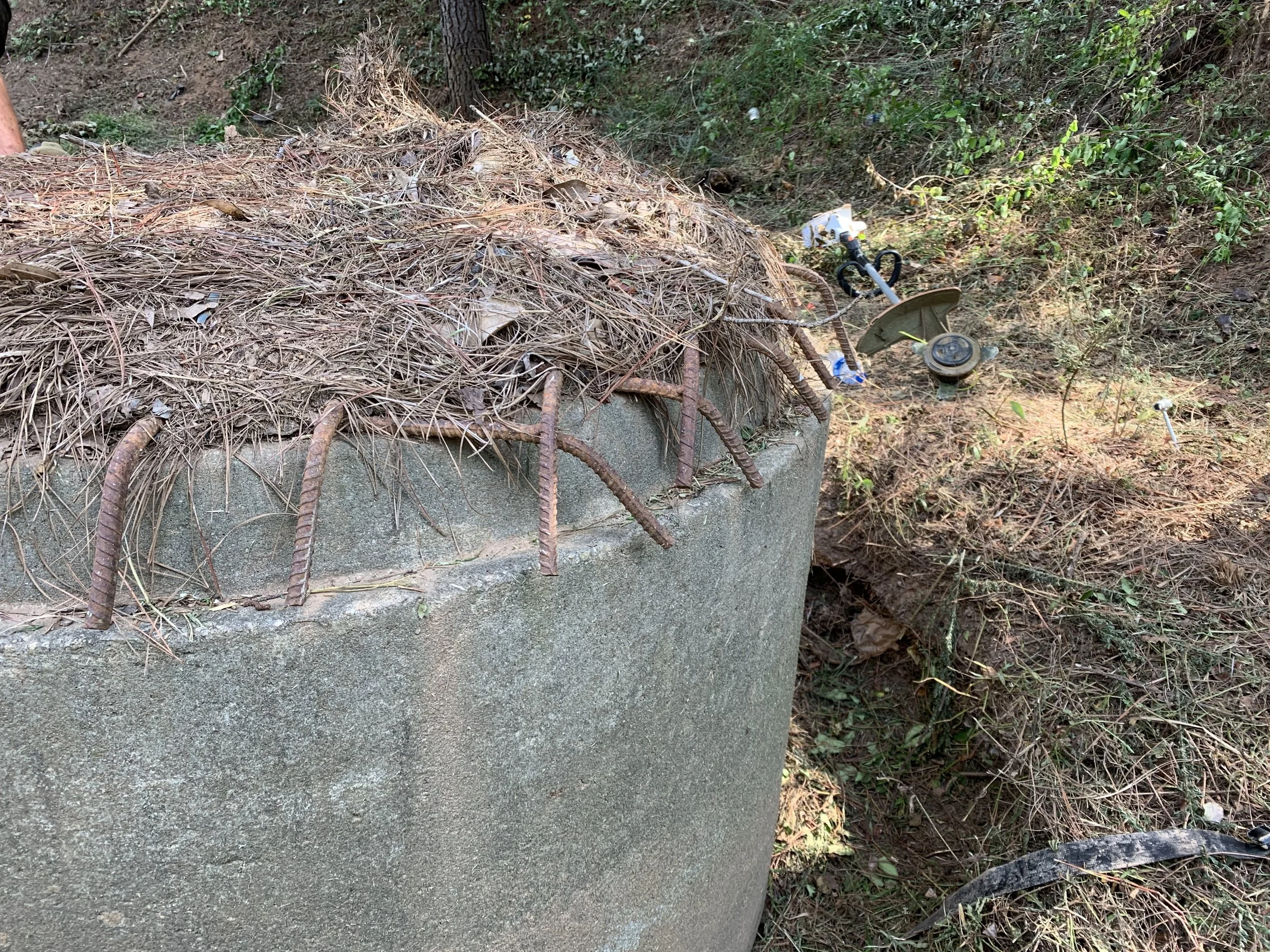
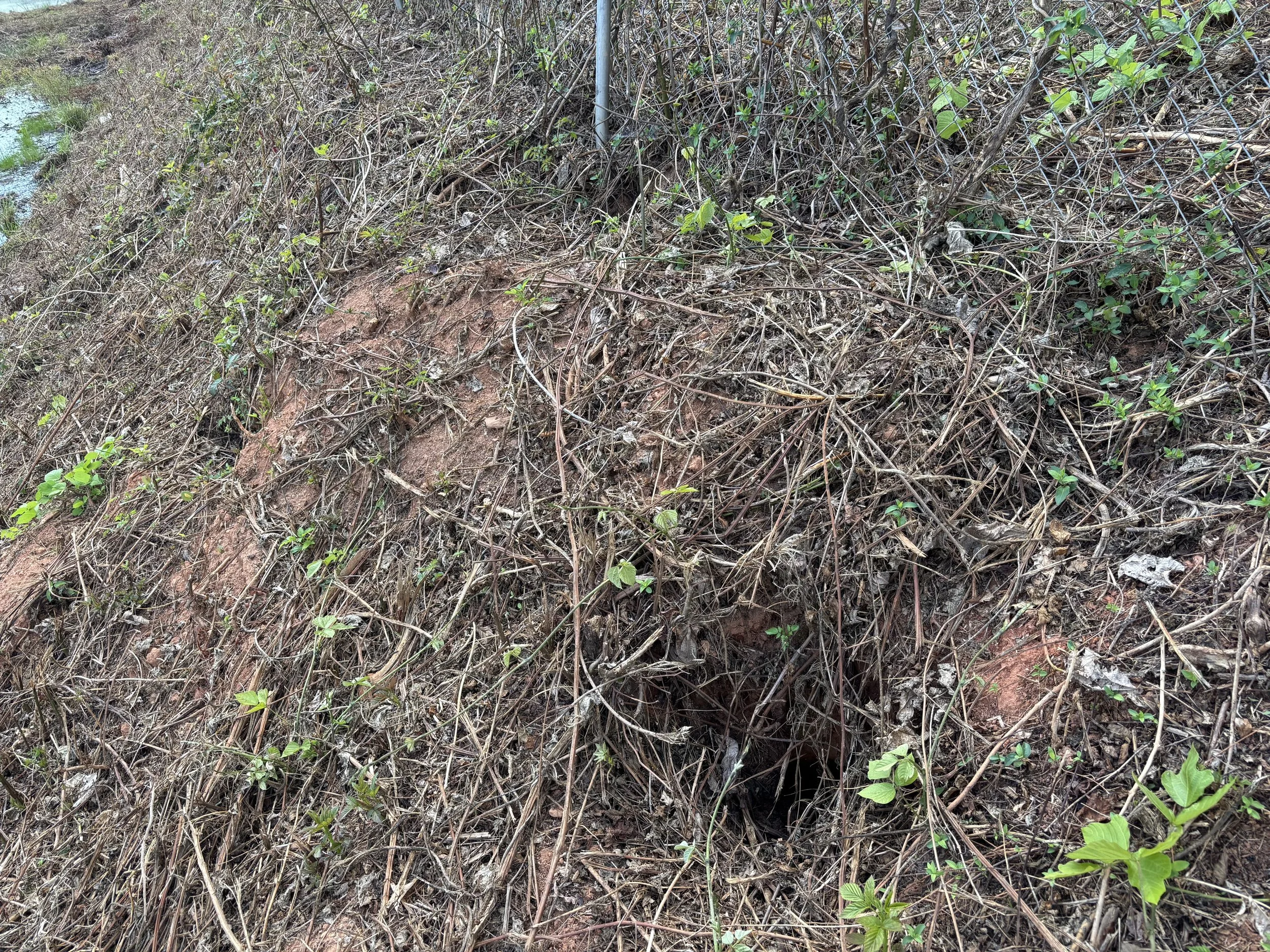
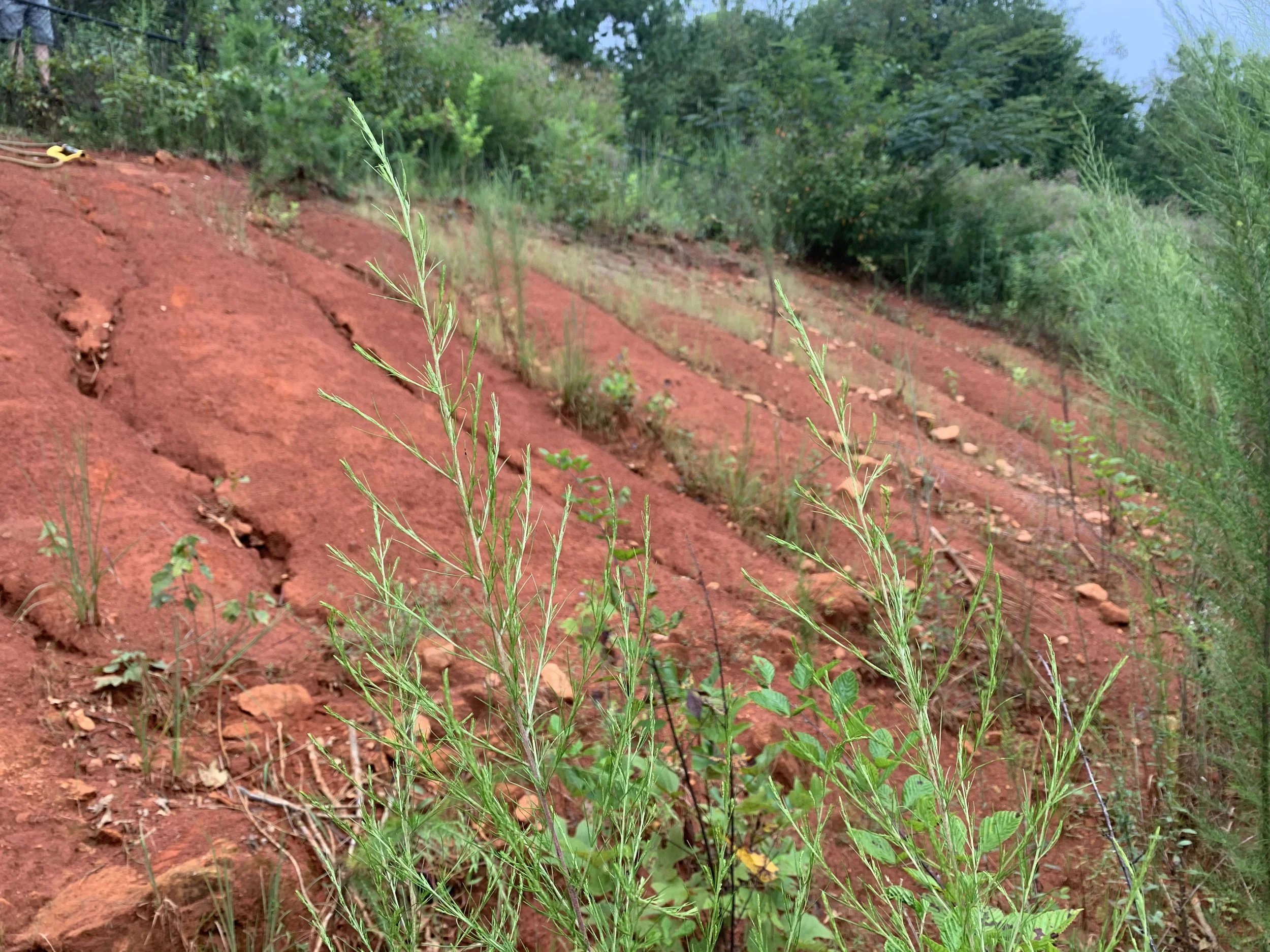
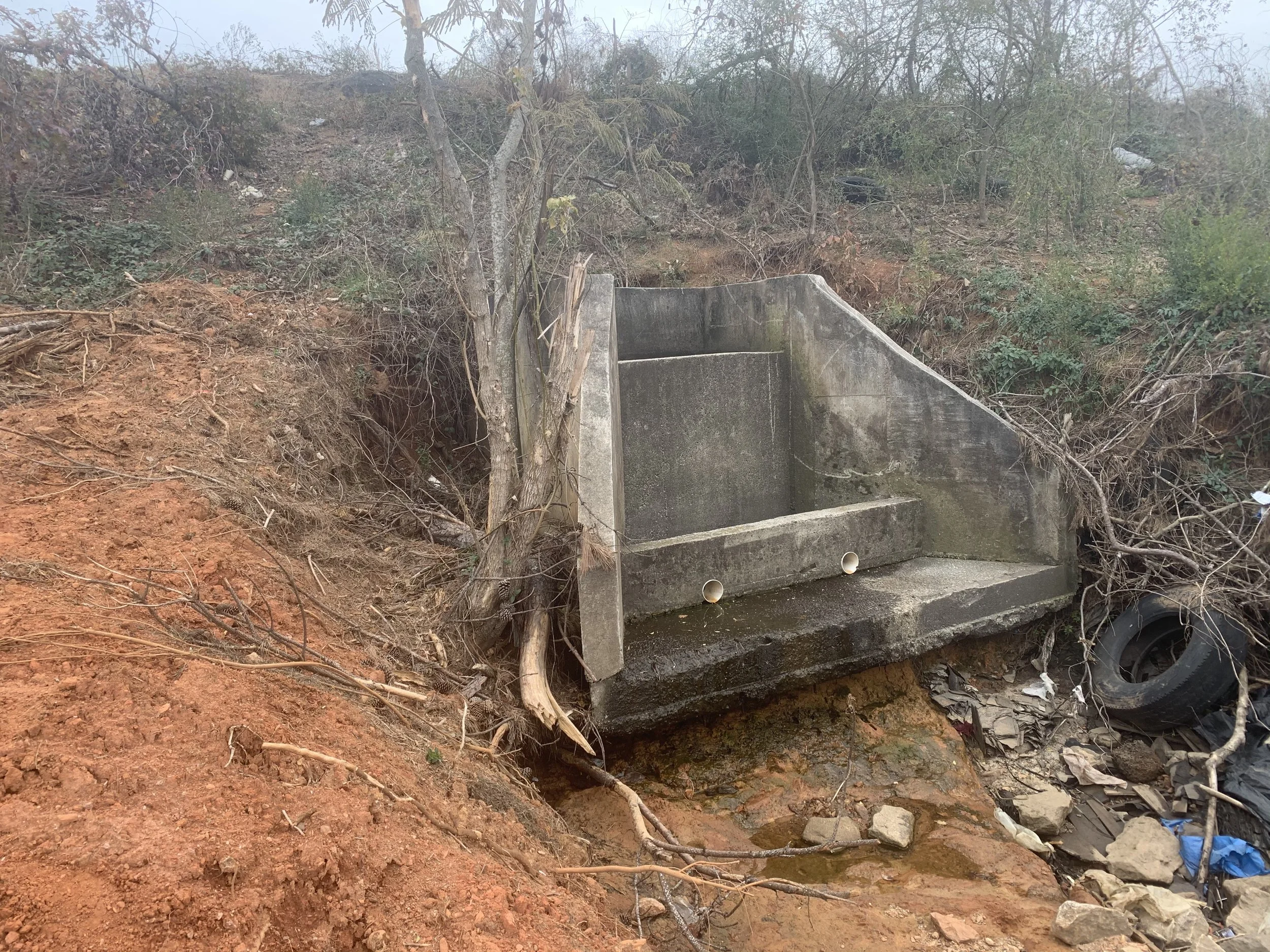
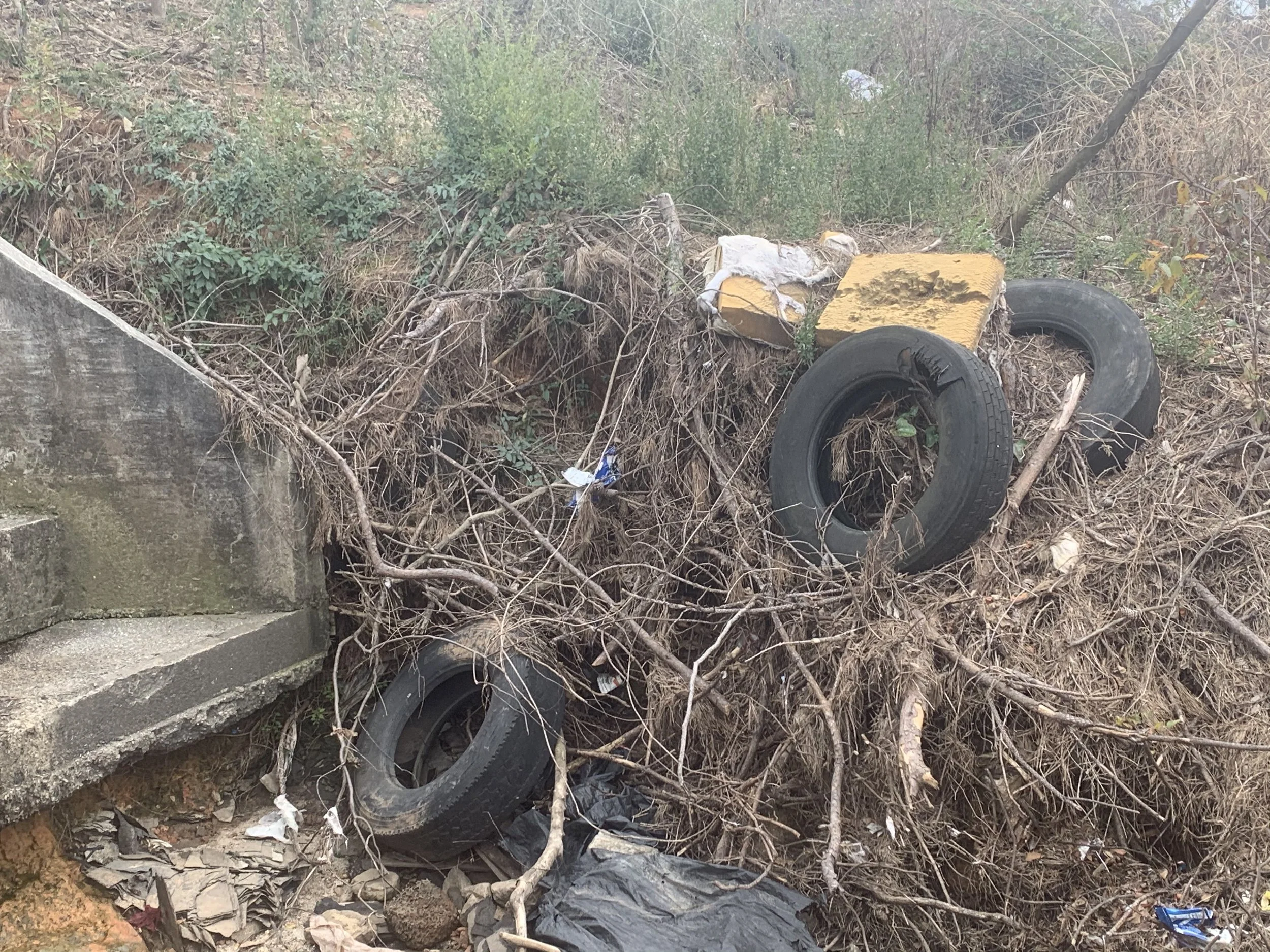
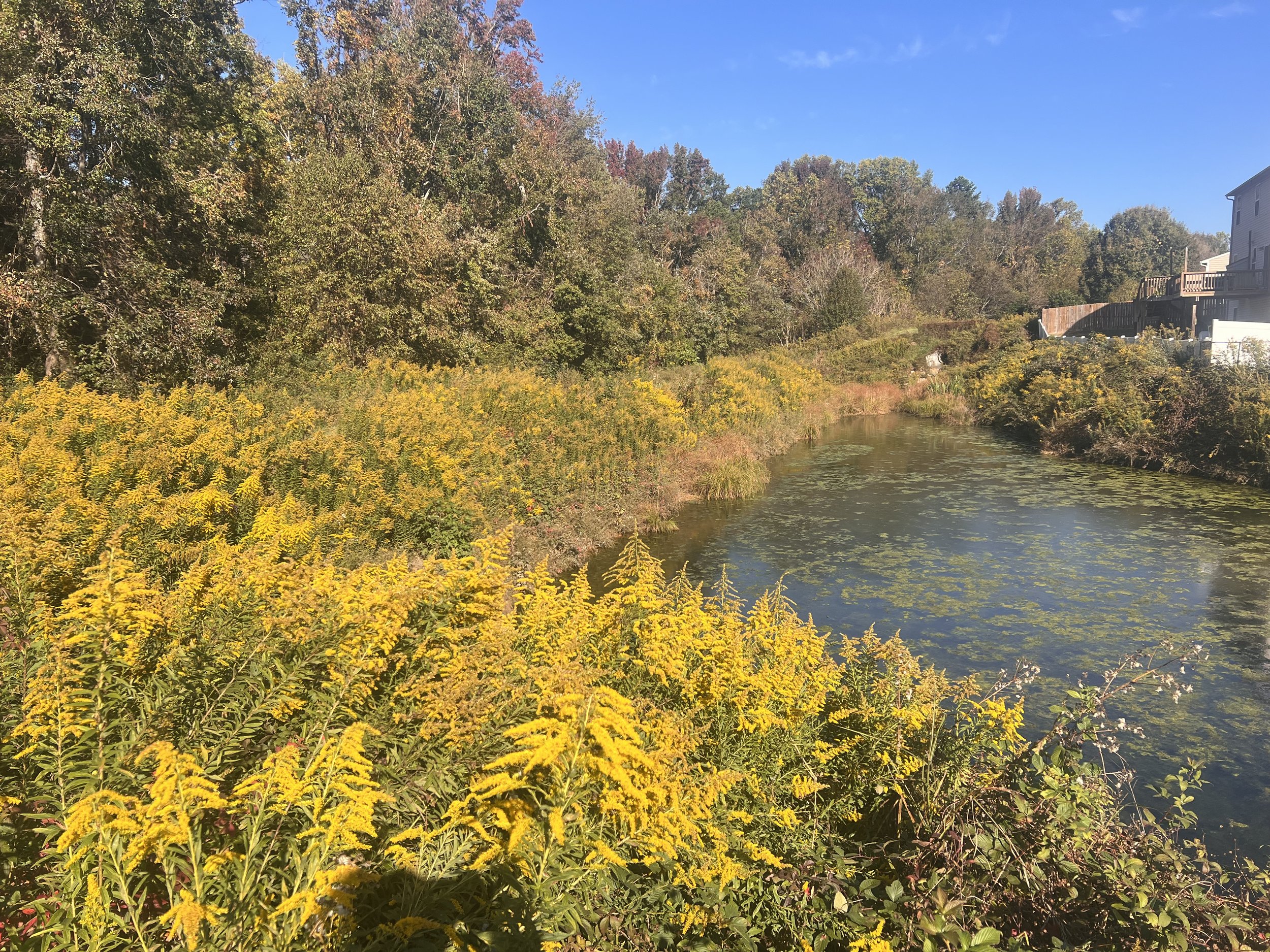
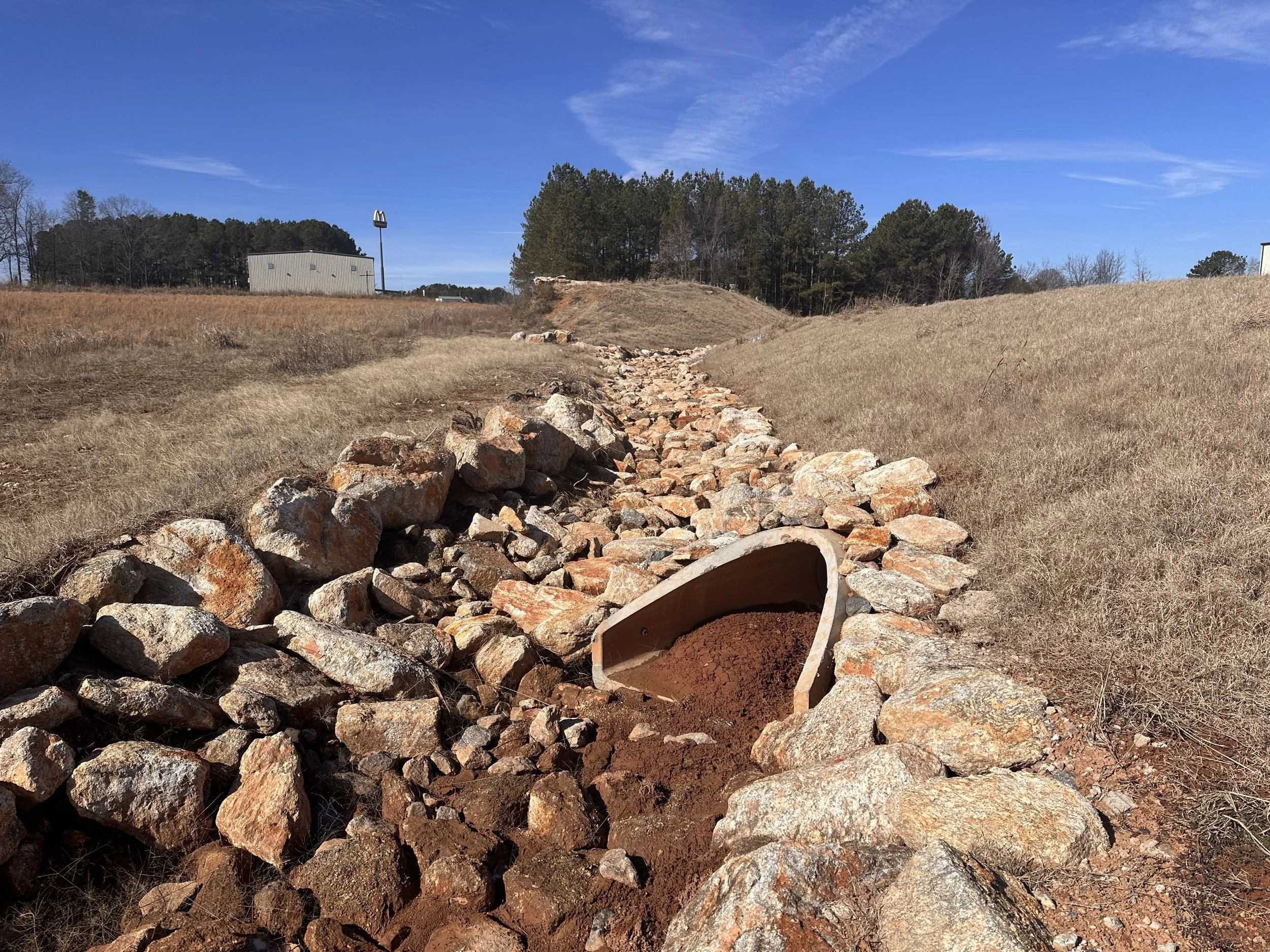
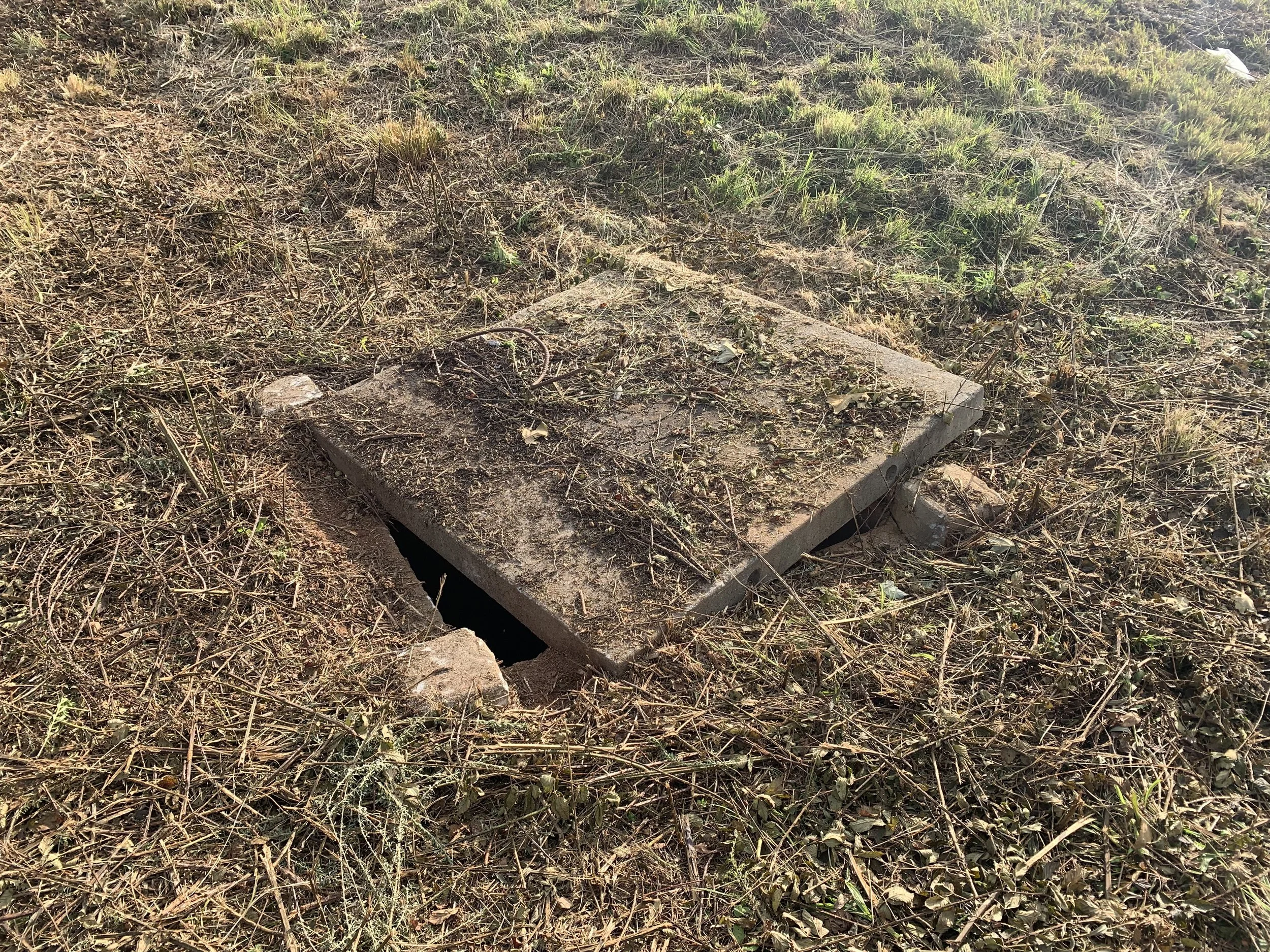
Examples of stormwater risks to look for: