
Flood Risk Management in South Carolina
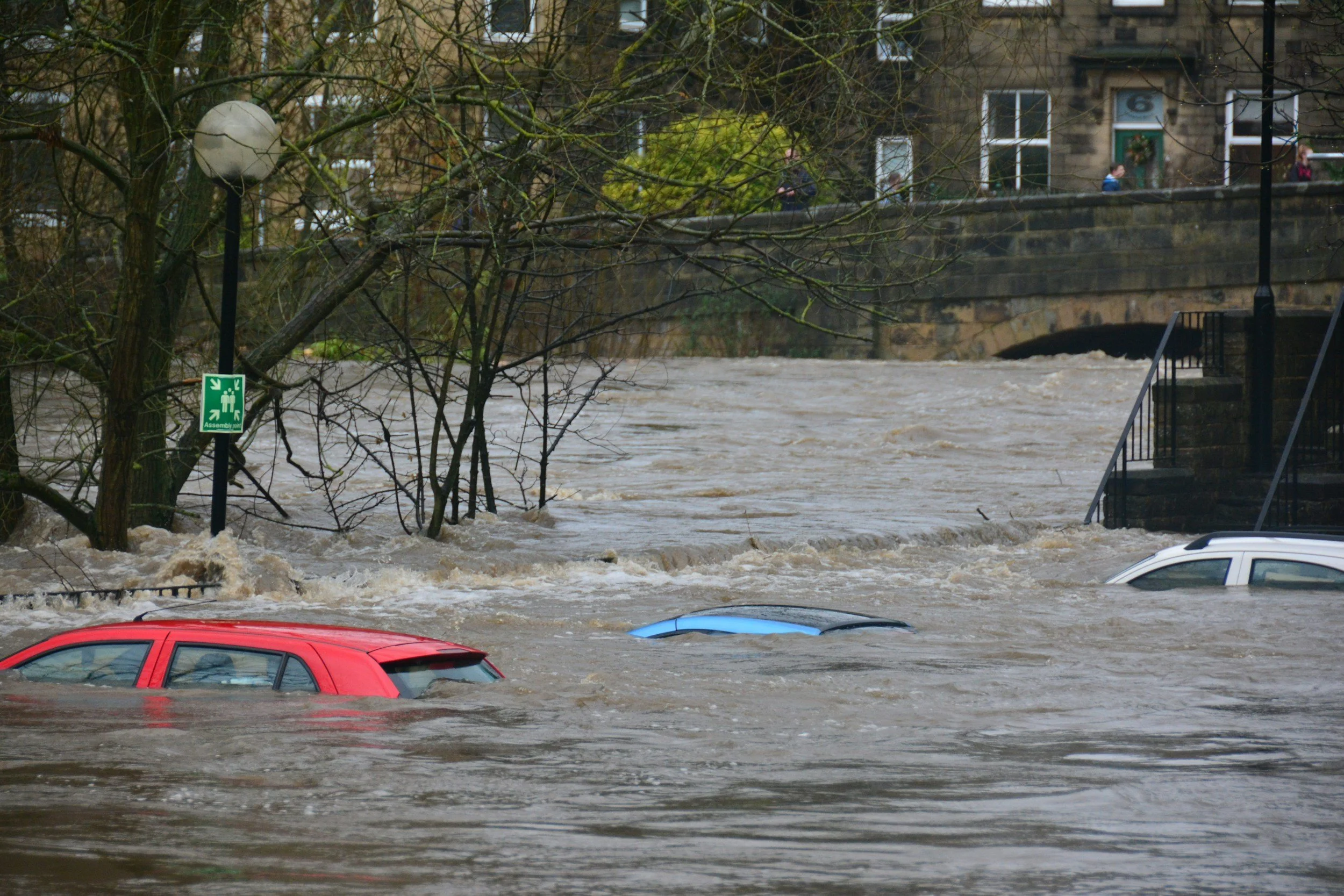
Flooding is a growing challenge for communities, especially in rapidly developing areas like South Carolina’s major cities. Greenville in particular has found itself on the list of the nation’s fastest growing cities. As cities expand, natural landscapes that once absorbed rainfall are replaced by concrete, asphalt, and rooftops. This urbanization leaves stormwater with fewer places to go, leading to higher flood risks for homes, businesses, and public spaces. So what can be done to mitigate risks and grow responsibly.
South Carolina’s Urban Growth and Its Impact on Flooding
South Carolina’s cities are growing rapidly. From Charleston to Columbia, Rock Hill to Greenville, urban areas are experiencing population booms and infrastructure development. While this growth brings opportunities, it also creates challenges:
Charleston: As a coastal city, Charleston faces unique flooding risks from both rain and rising sea levels. With increased development, stormwater often struggles to drain, leading to frequent road closures and property damage.
Greenville: Nestled in the foothills, Greenville’s rapid growth has added more impervious surfaces, which means less rainwater is absorbed into the ground. The result? More water running into already overburdened creeks and rivers. Greenville City recognizes several areas as high risk for flooding (see map).
Columbia: Located at the convergence of three rivers, Columbia’s urban sprawl has amplified flood risks, especially during heavy storms or hurricanes. The city recognizes several intersections as more prone to flooding.
Rock Hill: Access to international airports, interstates, and the coast, Rock Hill is the ideal location for a variety of industries. As part of the Charlotte metropolitan, Rock Hill is connected to vast, industrial community. However, as a South Carolina city, Rock Hill provides tax advantages and labor laws that make it so desirable.
With this level of urbanization, South Carolina’s stormwater infrastructure is being pushed to its limits. Roads, parking lots, and other hard surfaces mean that rainwater runs off quickly, overwhelming drainage systems and causing flash floods.
Why Continuous Monitoring Matters
Flooding isn’t just inconvenient; it’s dangerous. It damages property, disrupts businesses, and threatens lives. Continuous monitoring helps communities stay ahead of potential flood risks by:
Detecting High Water Levels: Sensors placed in stormwater systems can measure rising water levels in real-time, providing early warnings before floods occur.
Identifying Blockages: Storm drains and pipes can easily become clogged with debris. Monitoring systems alert officials to blockages so they can act quickly.
Tracking Rainfall Patterns: Understanding how much rain is falling and where it’s going helps engineers plan for better stormwater management.
Measuring Flow Rates: Monitoring water flow through creeks, rivers, and stormwater channels ensures that systems are functioning properly and can handle future rain events.
The Future of Flood Risk in South Carolina
As South Carolina’s cities continue to grow, we can expect:
More Frequent Flooding: With more impervious surfaces and fewer natural areas to absorb rain, flooding will become a more common problem.
Increased Storm Intensity: Climate change is leading to more intense storms, which bring heavy rainfall in short periods.
Greater Strain on Infrastructure: Existing stormwater systems may not be able to handle the volume of water from future developments and weather patterns.
How Buck Outdoors Helps Mitigate Flood Risks
At Buck Outdoors, we specialize in stormwater monitoring solutions that help protect communities from flooding. Here’s how we can assist:
Setting Up Monitoring Systems: We install advanced sensors to track water levels, flow rates, and rainfall in real-time.
Providing Actionable Insights: Our monitoring systems generate easy-to-understand reports that help property managers and municipalities make informed decisions.
Ensuring Compliance: With regulations around stormwater management becoming stricter, our services help businesses and communities stay compliant while reducing flood risks.
Real-Life Example: Preventing a Flash Flood
Imagine a growing neighborhood near a small creek. Heavy rains cause the creek’s water level to rise rapidly. Without monitoring, residents would only notice the danger when flooding begins. However, with continuous monitoring, sensors detect the rising water early and send an alert. Local officials are able to act quickly, clearing blockages and redirecting water to prevent major damage.
A few years ago, an engineering firm asked me to look over plans for a high-end residential community. Each property had its own stormwater tank for controlling quality and quantity of runoff water into the stream which flowed through the nearby park. I explained what I saw as high risks for our community and how proper maintenance on these tanks would work. The developer ignored the warning. A few months ago, I was speaking with city officials about the constant flooding of the park. I told the regulator that I felt the city approved the plan based on the assumption that property maintenance would be practiced. However, human nature is to simply do what we are required and that such development plans need changes to requirements for on going maintenance.
Conclusion
Flooding doesn’t have to be inevitable. With continuous stormwater monitoring and proper maintenance, communities can detect problems early and take proactive steps to protect their people and property. As South Carolina’s cities continue to grow, it’s more important than ever to stay ahead of stormwater challenges.
You can learn how to stay ahead of stormwater issues. We share practical stormwater insights, inspection reminders, and compliance tips written specifically for property managers and owners. Join our mailing list to stay informed and reduce risk before problems arise.
If you’re responsible for stormwater compliance in anyway, Buck Outdoors LLC provides inspections and maintenance for residential, commercial, and industrial properties across the upstate of South Carolina. Feel free to contact us if you have questions about your site in Oconee, Pickens, Anderson, Greenville, Spartanburg, Cherokee, Laurens, or Greenwood counties.