Stormwater infrastructure is one of the few systems on a commercial or industrial property that can create risk without drawing attention.
Ponds still drain. Pipes still flow. Vegetation still grows. But quietly, out of site, infrastructure begins to fail.
For property managers the real challenge is not knowing stormwater infrastructure exists. Rather, it’s knowing whether it is still working, documented, and defensible.
This page serves as a practical guide to stormwater management for Property managers responsible for industrial and commercial sites.
It assists with proactive property management.
Why Stormwater Management Matters for Facility Managers
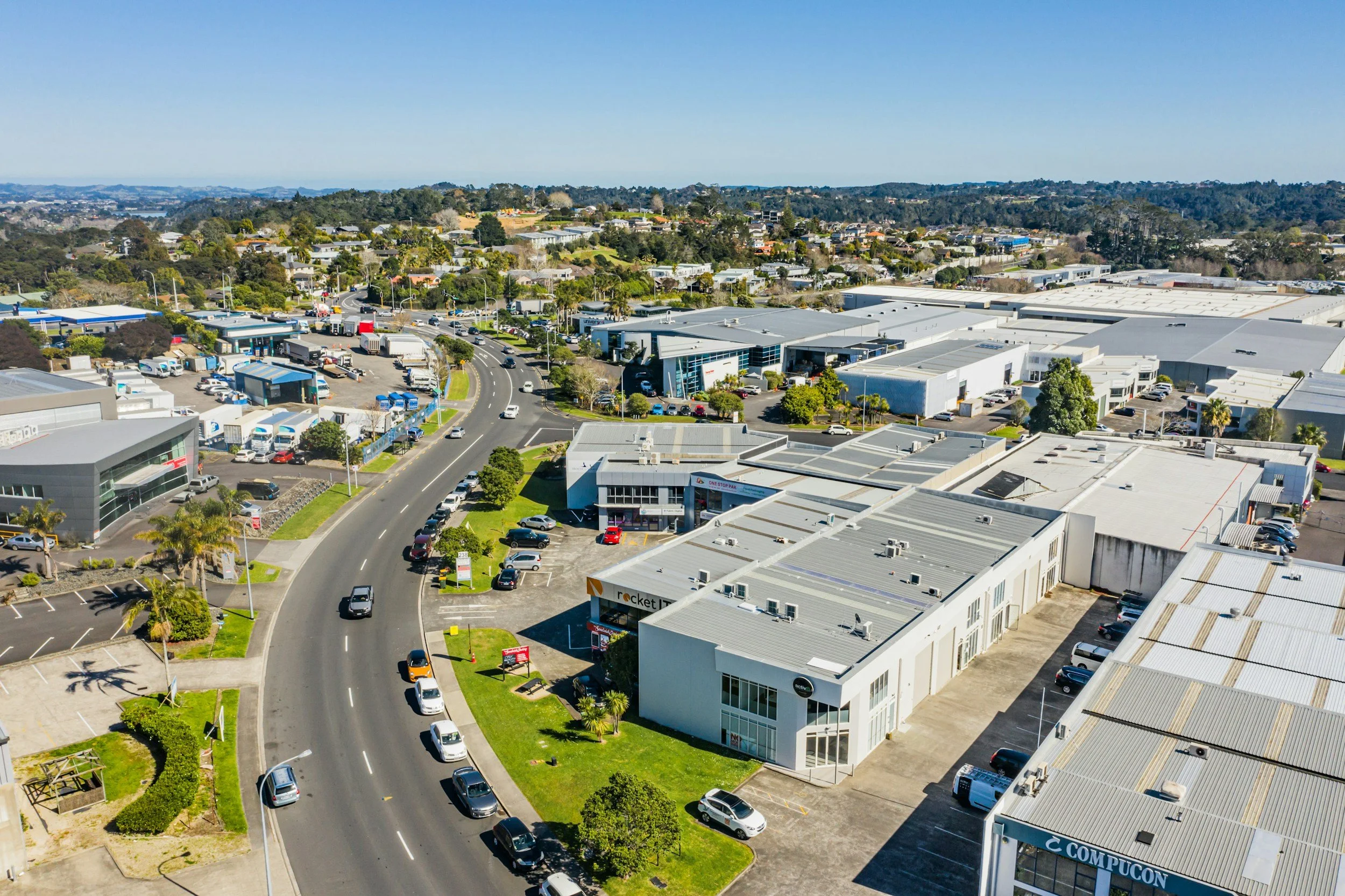
Stormwater systems are regulated, but they are rarely monitored day-to-day, which creates exposure.
Propety managers are often responsible for:
Multiple sites
Different ownership groups
Aging infrastructure
Limited historical documentation
Without a clear stormwater strategy, small issues compound into compliance problems, emergency repairs, or strained owner relationships.
Effective stormwater management services provide clarity, consistency, and confidence.
Core Components of Stormwater Management
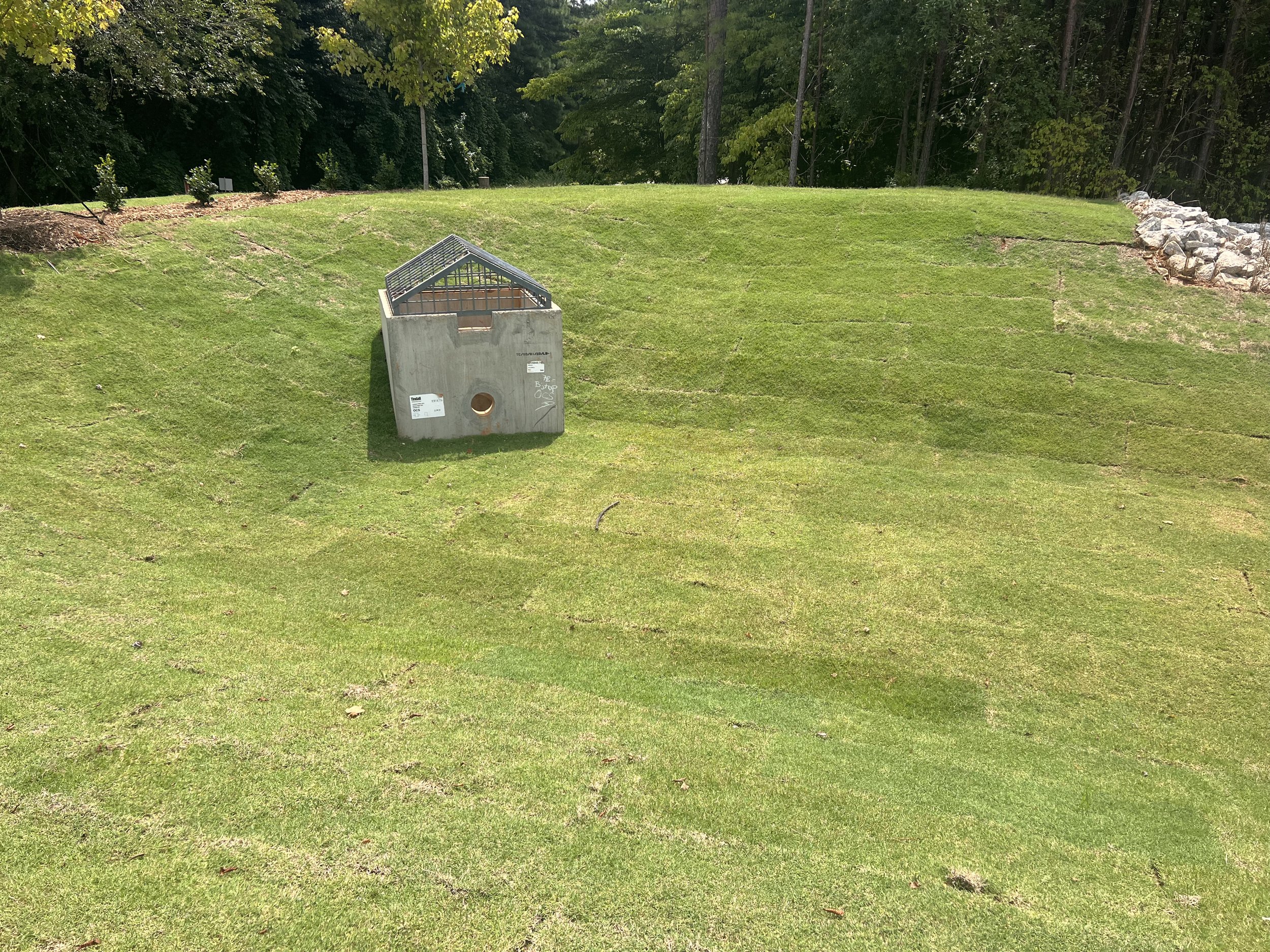
Routine stormwater inspections help identify problems early. Early identification positively affects compliance and budgets.
Inspections typically focus on:
Ponds (detention and retention)
Inlets and outlets
Embankments and slopes
Vegetation and access
Signs of erosion or sediment accumulation
Learn how hidden issues are often missed until inspections occur in our article:
The Stormwater Risk Property Managers Don’t See—Until It’s Too Late
Detention and Retention Pond Performance
Detention and retention ponds are designed to capture sediment and debris. As the storm pond does its job, the accumulated material begins to hinder the designed functionality of the pond. Over time, sediment reduces storage capacity, vegetation limits access, and structures experience wear. These changes quietly reduce performance. All this means is that functioning stormwater infrastructure demands constant stewardship for it to continue functioning.
Understanding pond functionality is critical for budgeting and compliance planning. We explore this in depth here:
Your Detention Pond Is Functioning—but Is It Still Doing Its Job?
Stormwater Compliance and Documentation

Compliance is built on proof.
Regulators, owners, and buyers want to see:
Inspection records
Maintenance documentation
Clear responsibility
Evidence of ongoing management
Many compliance issues arise not from neglect, but from uncertainty about who owns the process. Buck HydroLogic system records documents in an organized place so you don’t have to scramble last minute for audits. It also creates automated record keeping for your stormwater infrastructure. Perhaps one of the strongest components is the ability to track corrective action on the site. This easy part of Buck HydroLogic separates the great asset managers from the rest.
Common Stormwater Risks on Industrial and Commercial Sites
Property managers in South Carolina frequently encounter:
Sediment accumulation reducing pond capacity
Obstructed risers and outlet structures
Erosion at inlets or outfalls
Vegetation blocking access for inspection
Inconsistent inspection schedules
Missing or incomplete records
Addressing these risks early is far less disruptive and costly than reacting after a failure or violation. Learn how to be proactive in your facility management processes.
A Practical Stormwater Management Approach
Effective stormwater management does not require constant construction or overengineering.
A practical program typically includes:
Scheduled inspections
Clear documentation
Prioritized maintenance recommendations
Coordination with existing site operations
This approach allows property managers to plan responsibly, communicate clearly with owners, and reduce long-term risk. The tools available are an excellent investment in your properties.
Stormwater Management in Greenville, Spartanburg, Pickens, and Anderson Counties
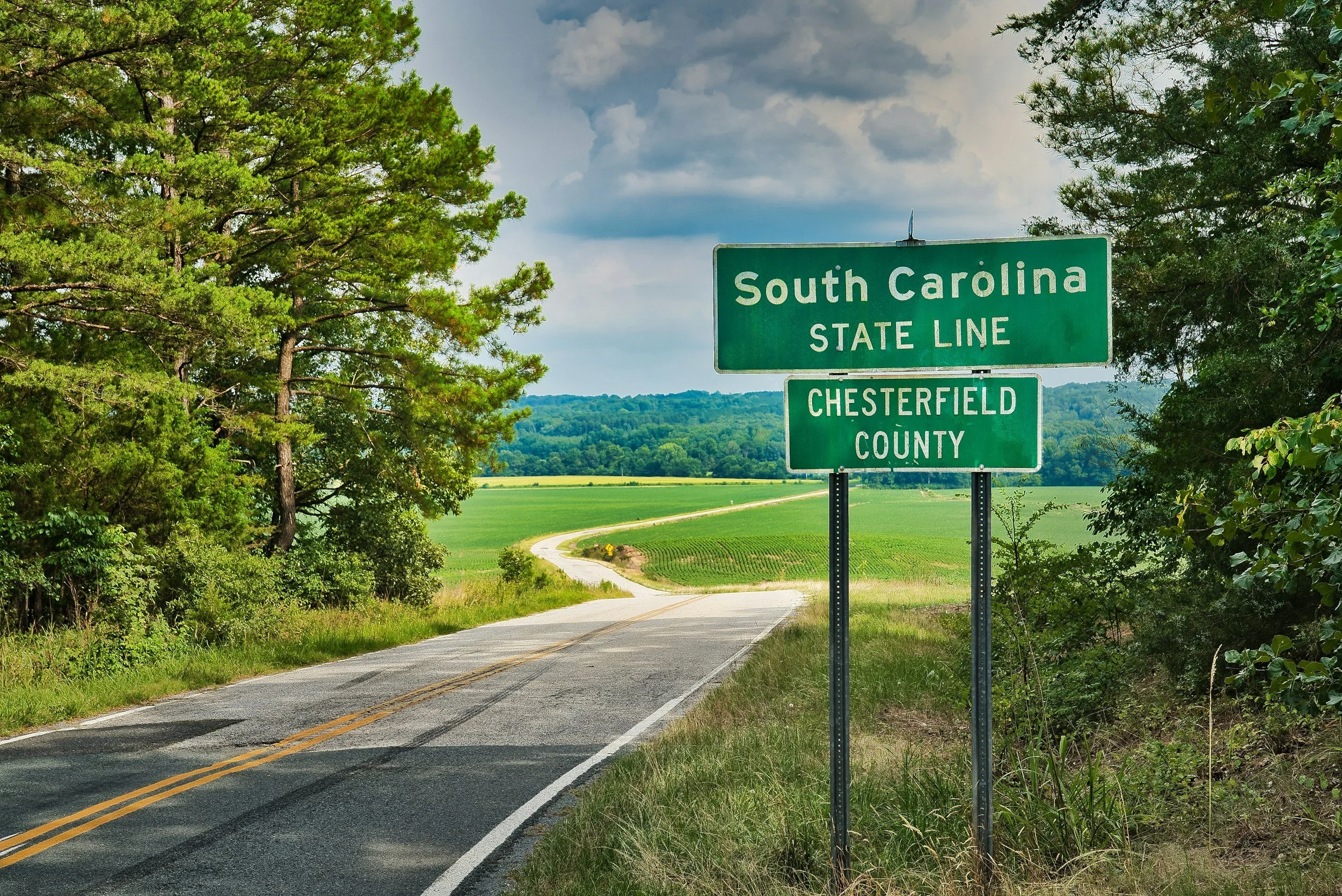
Upstate South Carolina has seen significant development over the past decades. Many stormwater systems were designed under older standards and now serve more impervious area than originally intended.
For property managers operating across county and state lines, consistency matters. A standardized stormwater program helps ensure:
Comparable documentation across sites
Predictable maintenance planning
Confidence during ownership or regulatory reviews
As early as next year, South Carolina and North Carolina will follow EPA’s directives for sites to have systems that provide e-data and constant monitoring. Here is how you need to be thinking about preparing your sites.
FAQ: Stormwater Management for Property Managers in South Carolina
How often should stormwater systems be inspected?
Most commercial and industrial sites in South Carolina benefit from annual inspections, with additional reviews after major changes or storm events. Industrial sites with a SWPPP or that adhere to standards in ISO 14001 must do quarterly inspections by a qualified stormwater professional.
Are property managers responsible for compliance?
Property managers are often responsible for coordinating inspections, documentation, and maintenance; however, ownership retains ultimate liability.
What is the biggest stormwater risk for industrial sites?
The most common risk is assuming systems are functioning without current documentation to support that assumption.
Do older systems require more attention?
Yes. Aging infrastructure typically needs closer monitoring to ensure it still performs as intended.
What are the EPA 2026 changes that I need to be aware of?
In April 2025, EPA announced that Multi Sector General Permit will provide new pressures, pushing toward climate change prevention and green infrastructure. These are the biggest edits for compliance to date, which includes transparency and real time monitoring. Start thinking how you will prepare your facility.
Avoid costly violations and protect your facility with full-service stormwater solutions.
Walk through e-permitting and NOI with DES.
Prepare your facility for 2026 EPA requirements
WHY INDUSTRIAL SITES NEED STORMWATER SPECIALISTS:
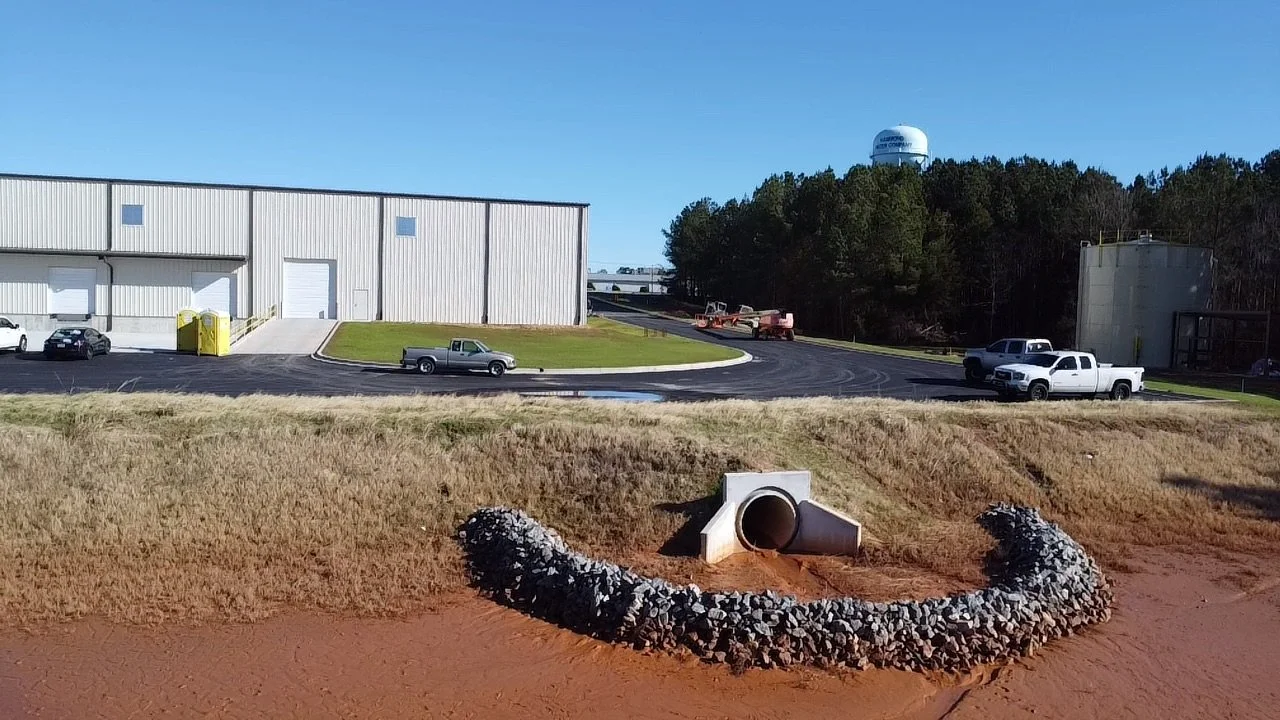
Sediment and erosion inspections on this warehouse construction in Anderson, SC.
Industrial stormwater compliance is complex. Regulations change. Inspections happen.
Stormwater issues can lead to expensive fines, site damage, and environmental risks.
Employees, clients, and stakeholders want you to be proactive with environmental issues.
Buck Outdoors Stormwater Solutions takes the headache out of stormwater management.
WHAT WE DO:
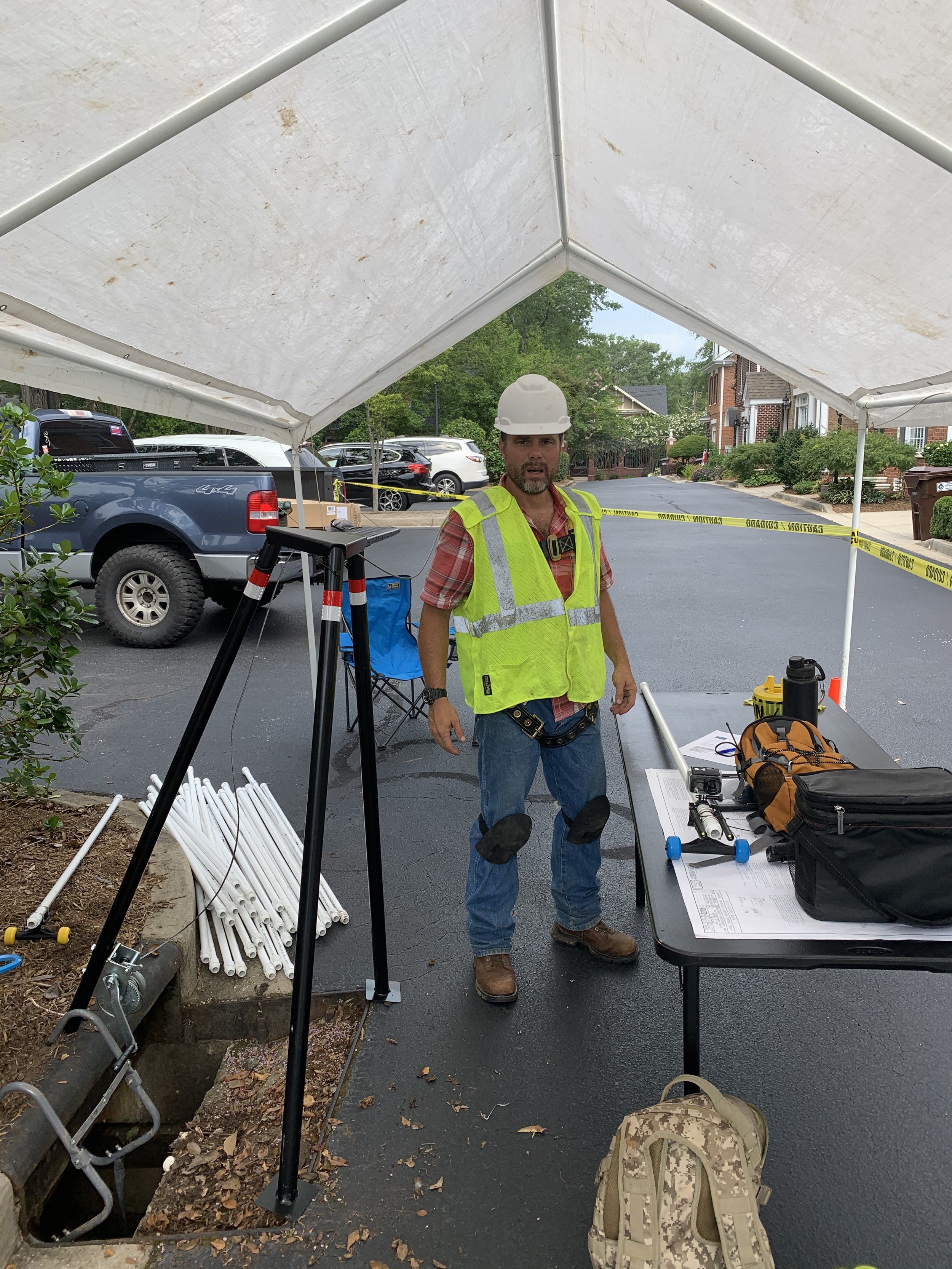
Confined space entry under a parking lot in Greenville, SC.
SWPPP Writing & Editing — Keep Stormwater Pollutant Prevention Plan updated and stay in compliance at state and federal level. more
Inspection & Compliance — Stay attentive to state and federal compliance regulations.
Erosion Control & Maintenance — Guard against washouts, flooding, and infrastructure damage.
Stormwater Pond & Drainage Solutions — Ensure your retention and detention ponds are mown properly and functioning.
Construction & Post Construction BMPs — Inspect and guide through compliance during and after construction.
WHY CHOOSE
BUCK OUTDOORS:
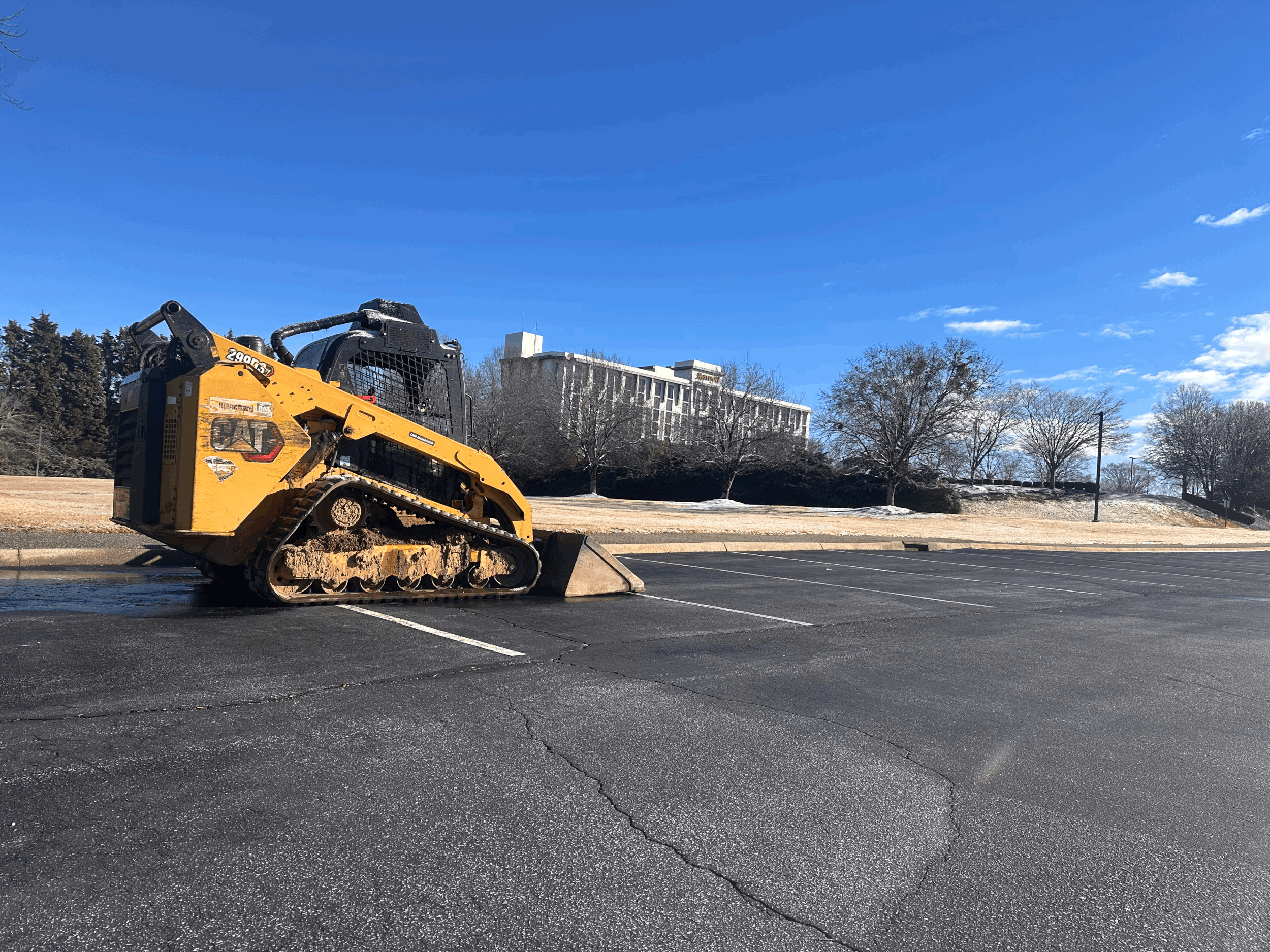
Ready for ice melt and snow pushing before winter storm in Greer, SC.
Full-Service Provider — We don't just inspect. We fix problems before they become costly.
Industrial Expertise — We work work EHS directors and facility managers across the Upstate of SC. We also have a great working relationship with local regulators knowing what and how they want things done.
Certified & Insured — We have the necessary certifications and handle our work with professionalism and compliance in mind.