From Paperwork to Peace of Mind: How Digital CEPSCI Reports Streamline Your Build
Digital Site Box delivers to the GC a form of record keeping that gives the superintendent access to all documents while on the other side of the project. Using Digital Site Box prevents tampering from potential vandals and keeps records safe from damaging weather. Furthermore, digital record keeping allows the municipality inspectors and out of state project managers to see plans and reports without having to come on site.
Construction sites move fast, and so do the challenges. From heavy rain to subcontractor mistakes, GCs have enough to manage without worrying about whether every inspection is properly documented. That’s why digital CEPSCI reports are a game-changer for modern construction management.
I’ve been performing CEPSCI inspections across South Carolina since 2016, and one thing I’ve learned is that proper documentation storage is just as important as the inspection itself. Weekly reports do more than record issues—they create a clear, organized history of the site’s compliance, maintenance, and preventive measures. Being able to quickly get to this reports and site plans is essential on the job site. After all, these document protect GCs, keeps regulators informed, and gives everyone on the project confidence that the project progresses properly.
For example, on one project, a municipality inspector raised a concern about offsite sediment impact. Thanks to the digital records from previous inspections, the superintendent was able to show photos, notes, and completed corrections, resolving the concern immediately. The reports weren’t just paperwork; they were a shield, a tool, and a communication bridge all at once. Having these reports in a digital format allowed the superintendent to find the documents and present them to municipality regulators led to a seamless resolution.
Beyond compliance, digital CEPSCI reports help GCs:

Save Time: Easy-to-access digital records reduce back-and-forth and repetitive explanations.
Demonstrate Due Diligence: Every inspection and corrective action is documented, which helps prevent disputes. Digital reports can be shared quickly.
Make Better Decisions: Historical data highlights patterns and potential risk areas, allowing superintendents to plan proactively. This is enhanced when the information is constantly available on the laptop or even their phone.
My goal on every site is simple: peace of mind. By combining field expertise with digital reporting, I ensure GCs can focus on building, not worrying. When issues arise, we’ve already documented the work being done, so decisions are faster, responses are smarter, and projects stay on track. That’s why I use Digital Site Box, based here in Greenville, SC.
On a recent project, I was asked to provide the third-party CEPSCI. I told the Atlanta based GC firm that we bring with us a digital record keeping system for all reports and construction plans. The advantage that we delivered to the GC was a form of record keeping that gives the superintendent access to all documents while on the other side of the project, in this case two miles away. Using Digital Site Box prevented tampering from potential vandals and keeps records safe from damaging weather. Furthermore, digital record keeping allows the municipality inspectors and the Atlanta based project manager to see plans and reports without having to come on site.
CEPSCI inspections, when done consistently and documented digitally, aren’t just about compliance. They give you confidence that your project is protected, your team is prepared, and your build is set up for long-term success. When you hire Buck Outdoors for your CEPSCI, we bring with us Digital Site Box.
3 Compliance Nightmares That Could Shut Down Your Jobsite (And How to Avoid Them)
Having a third-party inspector isn’t just about avoiding fines. It’s also about having a team member to help manage relationships, anticipate risks, and keep the project moving smoothly. These nightmares aren’t inevitable, but they’re easy to overlook if you don’t have a trusted partner on site.
Construction sites have so many moving parts, so much so that even the most experienced general contractor can feel like the chaos is overwhelming. Throughout my decade of CEPSCI inspections in South Carolina, I’ve seen small oversights turn into major headaches. Here are three chaos triggers that could have been avoided.
1. Stop-Work Orders During Critical Phases
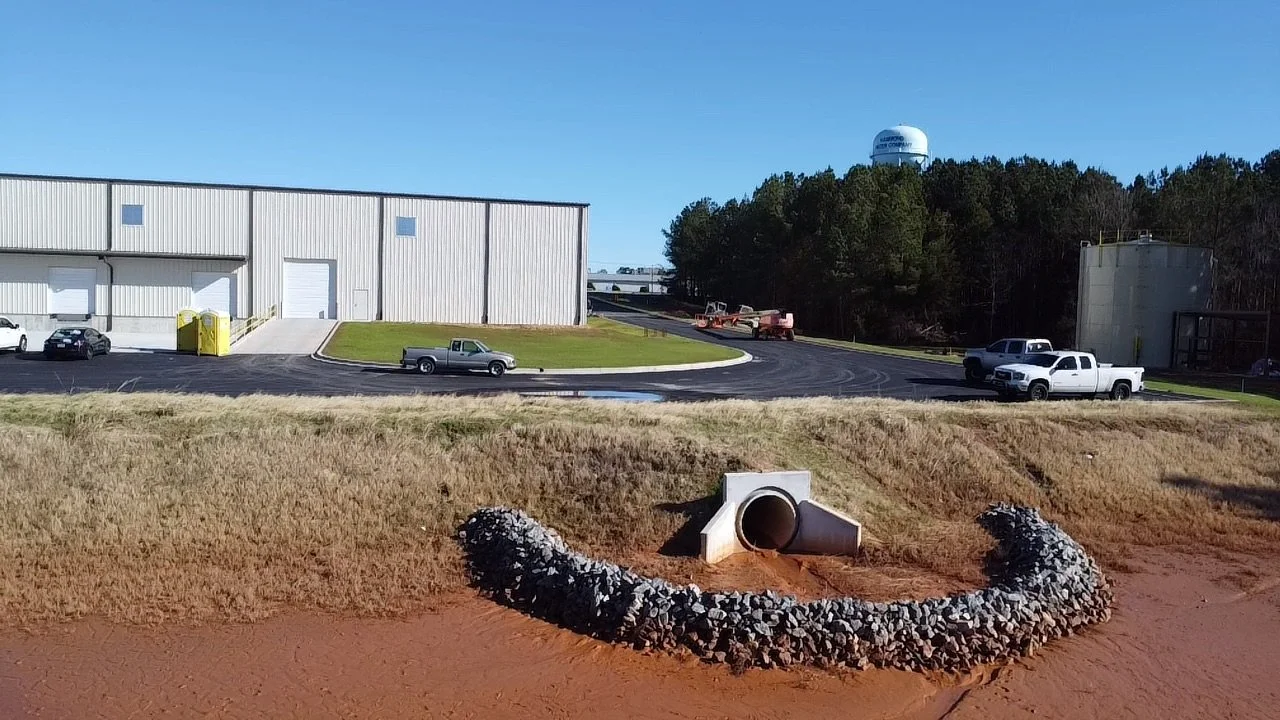
Several years ago, I was part of a large storage unit project. From the very beginning of the project, things were not going well and early on the General Contractor was looking down the barrel of a potential stop-work order. The original grader dug out a stormwater pond and ran into problems. The issue escalated quickly when the grader decided to quit. The project was slowed while waiting for a new grader to come on site to inherit the complicated mess. As problems were getting straighten out issues included sediment in a near by pond, tracking onto the road, aging and deteriorating temporary BMPs, and there was one hillside that suffered from erosion during every rain event. The regulator and I were both at a state stormwater conference and the topic of this project came up. I was told that the following days a stop-work order would be issued. The regulator and I stepped aside during the conference and developed a plan to resolve the issues and keep the project rolling. I took pride in the reality that my client did not experience down time on this project.
Lesson: Having a neutral, knowledgeable inspector on site prevents escalation acting as a bridge between regulators and contractors.
2. Pre-Existing Problems
On another construction site, I was managing the neighboring community’s stormwater infrastructure. They had failing junction boxes and disjointed pipes. Sediment from these problem spots were filling the storm pond. I was working with this community to resolve problems. They did not have the money for the repairs. Knowing that the construction site nearby was to tie into the community’s stormwater, the problem could potentially become worse and create a problem between the two. I made both parties aware of the potential problems, and suggested that the GC put a camera in the storm pipes. This allowed the GC to have proper documentation and avoid blame for pre-existing issues. Furthermore, the plan allowed the community to have a needed visual of what was going on in their pipes without spending money they didn’t have. With interest in both clients, I was able to intervene, facilitate the defining of a clear benchmark, and allow both parties to have a productive conversation before the project even started.
Lesson: Documenting conditions and setting clear boundaries before work begins can prevent disputes and protect your company’s reputation.
3. Storm Events
Heavy rains can create chaos on any site. I tell my inspectors that if they come back after a rain event and don’t record any problems then I doubt how thorough their inspection was. On one project, footers were filled with water after a storm. The GC was from Alabama, so the superintendent didn’t know where to find a pump locally. While I was on site I asked the frustrated superintendent what his plan was. He asked for the closest rental company so that he could obtain a pump. Fortunately, my shop was just down the road from the site and the superintendent followed me back to the shop. I helped load up my pump and the work continued with minimal delay.
Lesson: For an out of state GC, having local third-party team member ensures you’re not scrambling when the problem hit.
Having a third-party inspector isn’t just about avoiding fines. It’s also about having a team member to help manage relationships, anticipate risks, and keep the project moving smoothly. These nightmares aren’t inevitable, but they’re easy to overlook if you don’t have a trusted partner on site.
Weekly CEPSCI inspections provide peace of mind, early warning of potential issues, and a trusted voice to help navigate unexpected challenges. In my experience, those who embrace third-party inspectors as a proactive tool minimize compliance nightmares.

CEPSCI: The Value of Third-Party Inspectors
General contractors and superintendents are juggling countless tasks every day. They manage crews, coordinate deliveries, troubleshoot equipment, and keep the project on schedule. It’s easy to become so familiar with the site that small issues go unnoticed. That’s where weekly, third-party CEPSCI inspections make a difference.
I started doing CEPSCI inspections in 2016, I really thought my role was simply to make sure sites were compliant and help my clients avoid violations. Today though, I realize there’s a bigger role. Weekly inspections can actually make a construction site more productive, save time, and prevent costly rework.
One thing is for certain, general contractors and superintendents juggle countless tasks every day. They manage subcontractors, coordinate deliveries and troubleshoot equipment in order to keep the project on schedule. They're busy all day, every day on the job site. Erosion and sediment issue quickly fade into the familiar backdrop of the site and small issues go unnoticed. Weekly, third-party CEPSCI inspections become a key ingredient to success.
Superintendents may initially see me as an annoyance. One actually made me aware that he did not need me “looking over my shoulder.” However, a few weeks later a municipality regulator pointed out a concern about potential offsite sediment impact. Because I had documented the site BMPs, the superintendent could immediately show photos and reports, resolving the issue quickly and avoiding delays. By consistently documenting what is done correctly in addition to the problems, this superintendent came to rely on my role.
On another project, a heavy rain event filled dug-out footers with water. The out of state superintendent was at a loss trying to quickly find a pump locally. When I came on site he was franticly calling rental companies, all of which were 30 minutes away, a full hour off site not being productive. However, my shop was less than five minutes away. I told him to follow me to the shop, he was able to borrow a pump immediately and keep work moving, saving hours of downtime. That’s the power of a relationship with a third-party local.
It’s important to see that CEPSCI inspectionors aren’t there to create extra work. Instead, they’re a team member, giving the GC confidence that the work is properly documented, issues are quickly addressed, and progress isn’t derailed by avoidable problems. GCs have gone from skeptics to asking for my insight on site planning, stormwater management, and even subcontractor coordination because they see me as a trusted resource.

In the end, third-party inspectors are more than compliance, they’re a productivity tool. They allow superintendents to focus on managing subcontractors and schedules. And by catching small problems early, they prevent minor issues from becoming costly delays or rework.
The value a third-party inspector brings to GCs helps keep them ahead of problems, keep projects on schedule, and maintain peace of mind throughout construction.

The Silent Jobsite Killer: How Sediment Runoff Can Stall Your Project (and Cost You Thousands)
At the end of the day, what CEPSCI brings to every site is peace of mind. My inspections give GCs confidence that the site is compliant, risks are managed, and the long-term health of the watershed is being considered. That’s a value that lasts far beyond any project.
I’ve been completing CEPSCI inspections in South Carolina since 2016, and over the past decade, I’ve seen first-hand how small issues on construction sites can snowball into big problems, sometimes long after a project is “finished.”
I remember my very first inspection. I had just taken the class, past the test, and my CEPSCI card came in the mail. Within days of receiving that CEPSCI card, I was at a pre-construction meeting for a project. Since then, I’ve worked on storage units, medical offices, schools, retail centers, water supply lines. And through every site, one lesson has been crystal clear: sediment and erosion issues are often overlooked until they turn into major headaches.
Take, for example, a recent multi-building site. The superintendent had been walking the site daily, and familiarity dulled his awareness. During my inspection, I noticed a subcontractor had piled supplies on top of a silt fence, compromising a culvert under the road. The problem had gone on for days, and a recent rain event caused offsite impact. Had the problem gone unnoticed during the next rain event, sediment could have clogged the culvert and and gotten on the roadway. Because we caught it early enough, repairs were completed quickly, avoiding a costly problem and keeping the project on schedule.
This is the value of weekly CEPSCI inspections: a fresh set of eyes. Superintendents are on-site all day, every day. To be honest, they become too familiar with the site to see every detail. I’ve seen experienced GCs initially resist my presence, thinking I’m there to “look over their shoulder.” But very quickly, they recognize that my inspections aren’t about creating extra work. Instead, they’re about preventing risk, maintaining compliance, and saving time. I’ve had superintendents go from seeing me as a problem to asking for my advice on complex stormwater issues because they trust that my guidance helps them avoid headaches, fines, and even stop-work orders.
Another project highlights this perfectly. A GC faced a potential stop-work order after a stormwater pond dig-out went wrong during heavy rains. I was able to intervene, provide a punch list of corrective actions, and facilitate communication between the GC and the local regulator. The stop-work order was avoided, and the project continued safely and on schedule.
What I want GCs to understand is simple: erosion and sediment issues aren’t just about passing inspections today. They actually have long-term effects. Soil and water conservation continues well after a project is closed out. Ponds need proper maintenance, junction boxes and catch basins trap sediment as designed and eventually need cleaning or repair. And minor oversights during construction can turn into costly problems decades later.
At the end of the day, what CEPSCI brings to every site is peace of mind. My inspections give GCs confidence that the site is compliant, risks are managed, and the long-term health of the watershed is being considered. That’s a value that lasts far beyond any project.
Craft Your Environmental Mission Statement for Corporate Sustainability
Sustainability is not just a fad, or a buzzword. It’s so much more. Sustainability is a strategy that actually positions companies as a leader in evolving markets. Companies that truly value sustainability, begin by creating an environmental mission statement to communicate its commitment, and provide a clear roadmap for environmental stewardship.
The Foundation: Key Values of an environmental mission statement
A strong EMS reflects values that resonate with all stakeholders:
Be Transparent: The mission should be something that can be seen and noticed. Thus, there should be some means to communicate progress toward the mission. Follow Google’s Environmental Reports for an example.
Be Accountable: Being out there with your EMS, makes you somewhat vulnerable. Or, better put, forces you to be accountable to the community. Align actions with promises, demonstrated by Microsoft’s carbon-negative pledge.
Be Innovative: In today’s world, stakeholders want to see a forward thinking. Thus, let your environmental mission embrace technology for sustainable solutions, such as IBM’s environmental programs.
Be Engaged: If you truly believe that your community, your world, needs you, then you should engage the community. Partner with local communities to ensure shared growth and benefits, which is a cornerstone for Starbucks’ sustainability initiatives.
Be Futuristice: Your EMS is an opportunity to show that you are in the game for the long haul. Set ambitious, yet realistic goals for long-term impact, as highlighted by Nestlé’scommitment to net zero by 2050.
Engaging Stakeholders Through Sustainability

A well-crafted mission statement motivates and unites:
Investors: Clear environmental goals attract ESG-conscious investors. Programs like CDP (Carbon DisclosureProject) enable transparency and a rich soil to foster trust.
Employees: Sustainability builds shared purpose and pride. Companies like Salesforce highlight their green initiatives, which boost employee morale and retention.
Customers: Today’s consumers demand ethical brands. A mission statement can deepen loyalty, as seen in Patagonia’s activism for the planet.
Programs to Elevate Sustainability Efforts
Companies can multiply their impact by joining global initiatives:
The Science Based Targets Initiative (SBTi): Align your goals with climate science.
1% for the Planet: Dedicate a percentage of revenue to environmental causes.
The Pollinator Partnership: Support biodiversity through pollinator habitats.
Conservation International: Collaborate on protecting critical ecosystems.
How to Begin Your Sustainability Journey
Start by drafting a mission statement that reflects your unique environmental goals. Collaborate with stakeholders for authenticity and ensure it’s visible across your platforms. Companies like PepsiCo and Walmart have demonstrated how integrated messaging can drive meaningful change.
At Buck Outdoors, we specialize in helping corporations translate values into action. Let us guide you in crafting an environmental mission statement that inspires trust and drives results. Schedule a consultation today to begin your journey toward sustainable leadership.
How a Facility Manager Protects Property: simple steps toward stormwater compliance

As a facility manager overseeing an industrial property, the integrity of your stormwater infrastructure plays a crucial role in environmental compliance and the overall well-being of your facility. To allow your stormwater infrastructure to fail welcomes an extreme rectifying expensive, causes a bad reputation in your community, potentially puts employees and guest at risk, and creates disastrous relationships with stockholders. Daily oversight is paramount, and this article aims to guide you through the essential steps for inspecting stormwater infrastructure effectively.
After each storm event, inspect your site for signs of erosion and sediment accumulation. Walk the premises and look for areas where soil may have washed away or sediment has settled. Addressing these issues promptly is key to preventing long-term damage to your stormwater infrastructure. Take a photo of any erosion and accumulated sediment to send to your stormwater specialist and keep for your records. Understand, neither erosion nor sediment is the problem. Rather, both indicate that a problem exists. Through an existing relationship with a stormwater specialist, a facility saves time and money for stakeholders. A stormwater specialist needs to be made aware immediately when signs are noticed. Communication is crucial, but in order to communicate issues, erosion and sediment need to be first recognized through routine inspections.
Monitor stormwater discharge points. Outdated monitoring practices require physical water collection from a source point, which is required to be completed within an hour after the rain event’s end. Assume that a rain event begins at mid night and finishes at two am. Is some one on the site who is honestly going to the outfall of the detention pond by three am? Too often inspections are performed at various levels of in-compliance. However, modern technology allows a purer test sample, which is easily collected. Utilize electronic monitoring systems to track water accumulation and pollutants. Then, regularly oversee the functionality of these monitors to ensure accurate data collection. Unusual readings may indicate potential issues that need immediate attention. A third-party contractor specializing in stormwater monitoring, such as Buck Outdoors, can assist in the calibration and maintenance of these systems.
Be aware of the drainage on detention ponds. A dry pond that continues to retain water in excess of 72 hours indicates the potential of problems. Regularly inspect the pond’s water levels and address any issues promptly. A qualified stormwater professional can conduct thorough assessments to identify and rectify potential concerns, ensuring your detention pond functions optimally. Should your detention pond hold water in excess of three days, provide photos for your stormwater consultant and keep records of the rain event to include time needed to completely drain.
Inspect stormwater infrastructure for trash and debris regularly. Accumulated debris can impede the flow of water, leading to blockages and potential flooding. When trash is noticed, be sure to look for the source. Is there a trash bin that a lid is not closed on or trash is not making it in. Perhaps a picnic table nearby is being abused with liter, or trash is blowing off of of trucks. Also consider landscaping debris. Look for pine straw, leaves, and grass clippings that have made there way into infrastructure. Really, drains need to be protected with filters. Over time, these components can become clogged with sediment and pollutants. A qualified stormwater professional can perform routine maintenance, ensuring that these systems operate at peak efficiency.
Engaging the services of a qualified stormwater professional, typically a third-party contractor, is crucial for thorough and expert oversight. These professionals possess the knowledge and experience needed to identify potential issues, implement effective solutions, and ensure compliance with environmental regulations. By partnering with a qualified stormwater professional, sites greatly benefit. For instance, professionals bring specialized knowledge in stormwater management, ensuring comprehensive inspections and timely interventions. Another benefit is that a qualified contractor stays abreast of changing environmental regulations, helping your facility remain compliant with local and federal requirements. Furthermore, professional oversight enhances the efficiency of your stormwater management systems, reducing the risk of costly repairs and environmental impact.
In conclusion, daily inspection of stormwater infrastructure is a proactive measure that safeguards both your facility and the environment. By partnering with a qualified stormwater professional, you ensure that your industrial property adheres to best practices, environmental standards, and the principles of sustainability. Stay vigilant, stay compliant, and let your commitment to stormwater management reflect your dedication to a greener, cleaner future.

Unveiling the Vital Role of Stormwater Infrastructure Inspections
In the realm of stormwater management, the role of infrastructure inspections is paramount. Unveiling this critical aspect, we explore how a third-party inspector becomes an invaluable asset to the facility management team.
The Role of a Third-Party Inspector: A Crucial Team Player
A third-party inspector is not just an external entity; they are a strategic partner within the facility management team. Their impartiality, expertise, and dedication to environmental compliance make them an indispensable asset. By conducting thorough stormwater infrastructure inspections, these professionals ensure that the facility adheres to regulations, mitigates risks, and fosters a sustainable environment.
Environmental Chaos and Legal Repercussions
Neglecting third-party inspections opens the floodgates to potential environmental chaos. Pollutants may find their way into water bodies, posing severe risks to ecosystems and public health. Furthermore, without a third-party assessment, a facility risks legal repercussions, including fines and legal battles, which can tarnish its reputation within the community.
Financial Drain due to Unforeseen Issues
In the absence of third-party inspections, facilities may face unexpected and costly issues. Undetected structural vulnerabilities, sediment accumulation, or malfunctioning components can lead to emergency repairs and increased maintenance costs. The financial drain resulting from these issues can be substantial, impacting the overall budget and diverting resources from other essential aspects of facility management.
Proactive Risk Mitigation
When a facility manager engages a third-party inspector, they emerge as a proactive hero. The inspector's findings allow for early detection of potential issues, enabling the facility management team to implement timely and cost-effective solutions. This proactive approach not only mitigates risks but also showcases the facility manager's commitment to environmental responsibility.
Regulatory Compliance and Community Appreciation
A facility manager who prioritizes third-party inspections demonstrates a commitment to regulatory compliance. This commitment not only avoids legal issues but also earns community appreciation. Residents value businesses that actively contribute to environmental well-being, enhancing the facility's reputation and fostering positive relationships with the local community.
Environmental Heroes
In the world of stormwater management, third-party inspections are the unsung heroes that empower facility managers to navigate the complexities of environmental responsibility. By unveiling the vital role of these inspections, we equip facility managers with the knowledge and tools needed to transform potential negatives into proactive, positive actions. In embracing third-party inspections, facility managers emerge as environmental stewards, safeguarding not only their facilities but also the communities they serve.
Navigating Stormwater Compliance: The Art of Timely Rain Runoff Sampling

For many industrial sites, the monthly sampling of rain runoff has become a routine part of regulatory compliance. However, federal regulations add a layer of complexity by stipulating that these crucial samples must be collected one hour after the conclusion of a rain event. Picture the frustration of a midnight-to-2 am shower – a scenario demanding precise planning to obtain a proper sample.
To meet this regulatory requirement, a meticulous approach is essential. Suppose the rain concludes at 2 am; in this case, sampling must occur promptly at 3 am to adhere to the one-hour window. This demands a well-orchestrated response, involving on-site personnel prepared to act swiftly and with precision to ensure a representative sample is collected.
Now, let's delve into the pollutants industrial sites must monitor:
1. Sediment and Suspended Solids:
These particles can degrade water quality and harm aquatic ecosystems.
2. Nutrients (Nitrogen and Phosphorus):
Excessive nutrient levels contribute to water pollution, leading to issues like algal blooms.
3. Chemical Contaminants:
Industrial processes may introduce chemicals into stormwater, necessitating monitoring to prevent environmental harm.
4. Heavy Metals:
Metals such as lead, zinc, and copper can be harmful in elevated concentrations, requiring close observation.
Failing to comply with these regulations can have serious consequences. Penalties may be imposed, ranging from fines to legal action. Moreover, non-compliance may tarnish a company's reputation, affecting its standing within the industry and with stakeholders.
Now, let's explore four advantages to hiring a company like Buck Outdoors for stormwater discharge monitoring:
1. Expertise in Regulatory Compliance:
Buck Outdoors brings a deep understanding of federal regulations, ensuring that your stormwater discharge monitoring aligns seamlessly with legal requirements.
2. Timely and Precise Sampling:
Our experienced team ensures that samples are collected promptly and accurately, even in challenging scenarios, avoiding compliance issues.
3. Comprehensive Pollutant Analysis:
Buck Outdoors conducts thorough pollutant analyses, providing insights into your facility's environmental impact and helping address potential issues proactively.
4. Customized Solutions for Risk Mitigation:
We work closely with industrial sites to develop tailored strategies for pollutant management, reducing risks and enhancing overall environmental responsibility.
By partnering with Buck Outdoors, industrial sites not only meet regulatory demands but also gain a proactive ally in ensuring responsible stormwater management.

The Imperative of Inspecting Stormwater Ponds
Stormwater ponds, essential components of stormwater management systems, play a critical role in safeguarding water quality and preventing environmental degradation. However, as we delve into the importance of inspecting these ponds, the tale of unauthorized discharge by Envirochem Corp serves as a cautionary narrative, underlining the consequences of negligence in stormwater management.

Envirochem Corp found itself at the center of an environmental controversy in Zionsville, IN due to unauthorized discharge that contaminated waterways. In 1985, a storm pond overflowed into a swale during a heavy rain event. The swale empties into Finley Creek, which feeds the Eagle Creek Reservoir, a source for Indianapolis’s drinking water. This incident brought to light the potential hazards associated with lax monitoring and insufficient inspections of stormwater ponds. The company's actions resulted in environmental chaos, with pollutants entering water bodies, threatening aquatic ecosystems, and posing risks to public health.
The fallout from the Envirochem Corp incident extended beyond immediate consequences. The company faced legal repercussions, fines, and a tarnished reputation within the community. This incident underscores the need for stringent monitoring and proactive inspections to prevent unauthorized discharge and protect the environment.
The Importance of Stormwater Pond Inspections:
Inspections of stormwater ponds are a critical component of responsible stormwater management. Regular assessments ensure that these ponds function effectively, capturing and treating runoff while preventing the release of harmful pollutants into water bodies. Key aspects of stormwater pond inspections include:
Structural Integrity: Inspections assess the structural soundness of stormwater ponds, identifying any signs of erosion, leaks, or other vulnerabilities that could compromise their effectiveness.
Sediment Accumulation: Stormwater ponds are designed to trap sediment, preventing it from entering water bodies. Inspections evaluate the level of sediment accumulation and determine whether sediment removal is necessary for continued functionality.
Vegetation Health: Vegetation within and around stormwater ponds plays a crucial role in filtration. Inspections evaluate the health of vegetation, ensuring that it effectively contributes to the natural treatment of stormwater.
Water Quality: Regular water quality testing during inspections ensures that stormwater ponds are not inadvertently becoming sources of contamination. Monitoring parameters such as pH, dissolved oxygen, and nutrient levels helps identify potential issues.
A Call to Action for Industrial Sites:
The Envirochem Corp incident serves as a stark reminder that environmental responsibility cannot be compromised. To prevent such incidents and foster a culture of proactive stewardship, industrial sites must prioritize stormwater pond inspections. However, rather than relying solely on internal assessments, a more effective approach is to enlist the services of third-party contractors.
Third-party inspectors bring impartiality, expertise, and a fresh perspective to stormwater pond inspections. Their objective assessments can identify potential issues before they escalate, ensuring compliance with regulations and mitigating the risk of environmental chaos. By investing in third-party inspections, industrial sites not only demonstrate their commitment to environmental stewardship but also protect their reputation, finances, and the well-being of surrounding communities.
Inspecting stormwater ponds is not just a regulatory obligation, it is a proactive measure essential for environmental sustainability. The Envirochem Corp incident serves as a stark reminder of the potential consequences of neglecting stormwater management responsibilities. As we navigate the landscape of industrial practices, let us heed the lessons learned and embrace a culture of responsibility.
Industrial sites are urged to take a proactive stance by engaging third-party contractors for thorough stormwater pond inspections. By doing so, businesses not only fulfill their environmental obligations but also contribute to a cleaner, healthier future. The call to action is clear: prioritize inspections, invest in environmental stewardship, and pave the way for a sustainable coexistence with our natural surroundings.

Why do I have to pay for stormwater
You are required to pay a stormwater tax because it helps fund the management and maintenance of stormwater infrastructure and related services in your community. Stormwater refers to the water that runs off from rain or melting snow, which can collect pollutants and cause flooding if not properly managed.
Stormwater management involves the construction and maintenance of drainage systems, including storm drains, catch basins, and retention ponds. These structures are designed to collect and divert stormwater to prevent flooding and protect water quality. Regular maintenance is necessary to ensure that these systems function effectively and remain in good condition.
The stormwater tax is typically levied by local governments to cover the costs associated with stormwater management. This includes activities such as inspections, repairs, cleaning, and the implementation of erosion and sediment control measures. It also helps finance the development and enforcement of regulations related to stormwater management, as well as educational programs aimed at raising awareness about the importance of reducing stormwater pollution.
By paying the stormwater tax, you are contributing to the preservation and improvement of your community's stormwater infrastructure. This helps prevent property damage due to flooding and reduces the risk of water pollution. It also ensures compliance with environmental regulations and promotes sustainable development practices. The funds collected from the stormwater tax are directly allocated to maintaining and upgrading stormwater systems, benefiting the entire community.
It is important to recognize that stormwater management is a shared responsibility. Every property owner contributes to the stormwater runoff that enters the drainage system, and therefore, each one has a role to play in financing the necessary infrastructure and services. The stormwater tax is a fair and equitable way to distribute the costs associated with managing stormwater runoff among property owners.
In conclusion, the stormwater tax exists to fund the essential maintenance and management of stormwater infrastructure in your community. By paying this tax, you are supporting the efforts to prevent flooding, protect water quality, and ensure the overall well-being of your area.