From Paperwork to Peace of Mind: How Digital CEPSCI Reports Streamline Your Build
Digital Site Box delivers to the GC a form of record keeping that gives the superintendent access to all documents while on the other side of the project. Using Digital Site Box prevents tampering from potential vandals and keeps records safe from damaging weather. Furthermore, digital record keeping allows the municipality inspectors and out of state project managers to see plans and reports without having to come on site.
Construction sites move fast, and so do the challenges. From heavy rain to subcontractor mistakes, GCs have enough to manage without worrying about whether every inspection is properly documented. That’s why digital CEPSCI reports are a game-changer for modern construction management.
I’ve been performing CEPSCI inspections across South Carolina since 2016, and one thing I’ve learned is that proper documentation storage is just as important as the inspection itself. Weekly reports do more than record issues—they create a clear, organized history of the site’s compliance, maintenance, and preventive measures. Being able to quickly get to this reports and site plans is essential on the job site. After all, these document protect GCs, keeps regulators informed, and gives everyone on the project confidence that the project progresses properly.
For example, on one project, a municipality inspector raised a concern about offsite sediment impact. Thanks to the digital records from previous inspections, the superintendent was able to show photos, notes, and completed corrections, resolving the concern immediately. The reports weren’t just paperwork; they were a shield, a tool, and a communication bridge all at once. Having these reports in a digital format allowed the superintendent to find the documents and present them to municipality regulators led to a seamless resolution.
Beyond compliance, digital CEPSCI reports help GCs:

Save Time: Easy-to-access digital records reduce back-and-forth and repetitive explanations.
Demonstrate Due Diligence: Every inspection and corrective action is documented, which helps prevent disputes. Digital reports can be shared quickly.
Make Better Decisions: Historical data highlights patterns and potential risk areas, allowing superintendents to plan proactively. This is enhanced when the information is constantly available on the laptop or even their phone.
My goal on every site is simple: peace of mind. By combining field expertise with digital reporting, I ensure GCs can focus on building, not worrying. When issues arise, we’ve already documented the work being done, so decisions are faster, responses are smarter, and projects stay on track. That’s why I use Digital Site Box, based here in Greenville, SC.
On a recent project, I was asked to provide the third-party CEPSCI. I told the Atlanta based GC firm that we bring with us a digital record keeping system for all reports and construction plans. The advantage that we delivered to the GC was a form of record keeping that gives the superintendent access to all documents while on the other side of the project, in this case two miles away. Using Digital Site Box prevented tampering from potential vandals and keeps records safe from damaging weather. Furthermore, digital record keeping allows the municipality inspectors and the Atlanta based project manager to see plans and reports without having to come on site.
CEPSCI inspections, when done consistently and documented digitally, aren’t just about compliance. They give you confidence that your project is protected, your team is prepared, and your build is set up for long-term success. When you hire Buck Outdoors for your CEPSCI, we bring with us Digital Site Box.
3 Compliance Nightmares That Could Shut Down Your Jobsite (And How to Avoid Them)
Having a third-party inspector isn’t just about avoiding fines. It’s also about having a team member to help manage relationships, anticipate risks, and keep the project moving smoothly. These nightmares aren’t inevitable, but they’re easy to overlook if you don’t have a trusted partner on site.
Construction sites have so many moving parts, so much so that even the most experienced general contractor can feel like the chaos is overwhelming. Throughout my decade of CEPSCI inspections in South Carolina, I’ve seen small oversights turn into major headaches. Here are three chaos triggers that could have been avoided.
1. Stop-Work Orders During Critical Phases
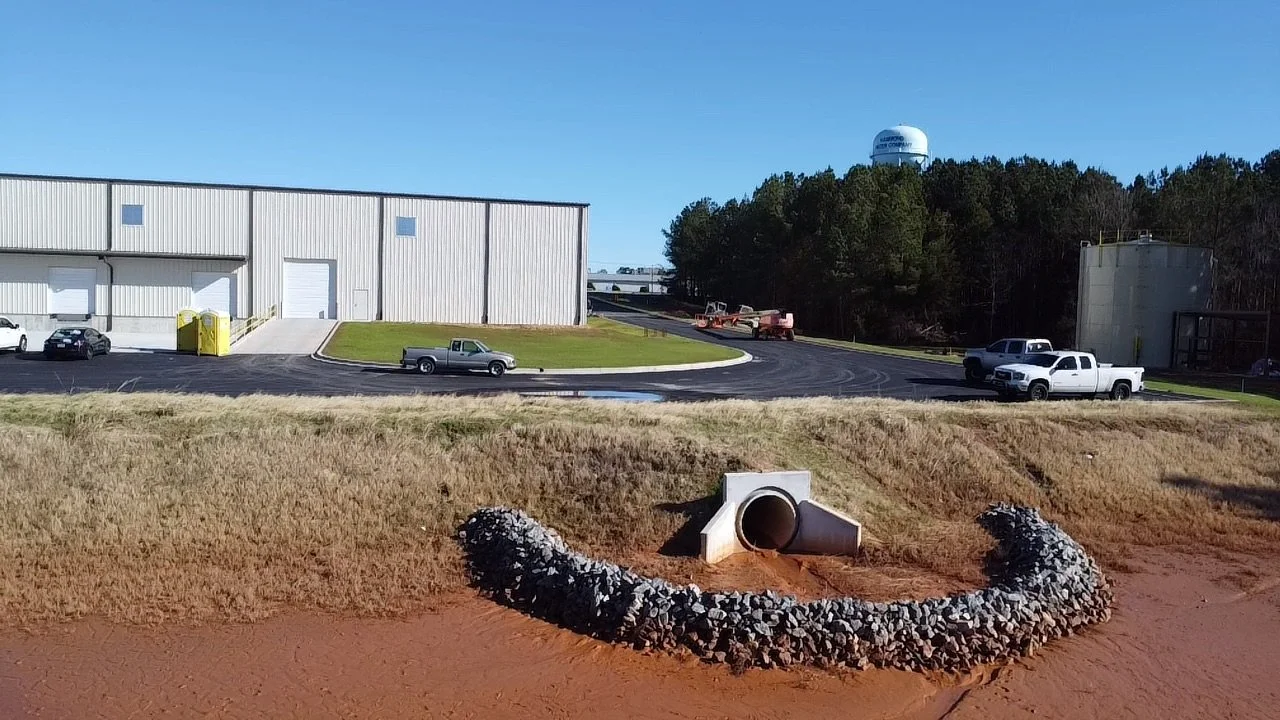
Several years ago, I was part of a large storage unit project. From the very beginning of the project, things were not going well and early on the General Contractor was looking down the barrel of a potential stop-work order. The original grader dug out a stormwater pond and ran into problems. The issue escalated quickly when the grader decided to quit. The project was slowed while waiting for a new grader to come on site to inherit the complicated mess. As problems were getting straighten out issues included sediment in a near by pond, tracking onto the road, aging and deteriorating temporary BMPs, and there was one hillside that suffered from erosion during every rain event. The regulator and I were both at a state stormwater conference and the topic of this project came up. I was told that the following days a stop-work order would be issued. The regulator and I stepped aside during the conference and developed a plan to resolve the issues and keep the project rolling. I took pride in the reality that my client did not experience down time on this project.
Lesson: Having a neutral, knowledgeable inspector on site prevents escalation acting as a bridge between regulators and contractors.
2. Pre-Existing Problems
On another construction site, I was managing the neighboring community’s stormwater infrastructure. They had failing junction boxes and disjointed pipes. Sediment from these problem spots were filling the storm pond. I was working with this community to resolve problems. They did not have the money for the repairs. Knowing that the construction site nearby was to tie into the community’s stormwater, the problem could potentially become worse and create a problem between the two. I made both parties aware of the potential problems, and suggested that the GC put a camera in the storm pipes. This allowed the GC to have proper documentation and avoid blame for pre-existing issues. Furthermore, the plan allowed the community to have a needed visual of what was going on in their pipes without spending money they didn’t have. With interest in both clients, I was able to intervene, facilitate the defining of a clear benchmark, and allow both parties to have a productive conversation before the project even started.
Lesson: Documenting conditions and setting clear boundaries before work begins can prevent disputes and protect your company’s reputation.
3. Storm Events
Heavy rains can create chaos on any site. I tell my inspectors that if they come back after a rain event and don’t record any problems then I doubt how thorough their inspection was. On one project, footers were filled with water after a storm. The GC was from Alabama, so the superintendent didn’t know where to find a pump locally. While I was on site I asked the frustrated superintendent what his plan was. He asked for the closest rental company so that he could obtain a pump. Fortunately, my shop was just down the road from the site and the superintendent followed me back to the shop. I helped load up my pump and the work continued with minimal delay.
Lesson: For an out of state GC, having local third-party team member ensures you’re not scrambling when the problem hit.
Having a third-party inspector isn’t just about avoiding fines. It’s also about having a team member to help manage relationships, anticipate risks, and keep the project moving smoothly. These nightmares aren’t inevitable, but they’re easy to overlook if you don’t have a trusted partner on site.
Weekly CEPSCI inspections provide peace of mind, early warning of potential issues, and a trusted voice to help navigate unexpected challenges. In my experience, those who embrace third-party inspectors as a proactive tool minimize compliance nightmares.

The Silent Jobsite Killer: How Sediment Runoff Can Stall Your Project (and Cost You Thousands)
At the end of the day, what CEPSCI brings to every site is peace of mind. My inspections give GCs confidence that the site is compliant, risks are managed, and the long-term health of the watershed is being considered. That’s a value that lasts far beyond any project.
I’ve been completing CEPSCI inspections in South Carolina since 2016, and over the past decade, I’ve seen first-hand how small issues on construction sites can snowball into big problems, sometimes long after a project is “finished.”
I remember my very first inspection. I had just taken the class, past the test, and my CEPSCI card came in the mail. Within days of receiving that CEPSCI card, I was at a pre-construction meeting for a project. Since then, I’ve worked on storage units, medical offices, schools, retail centers, water supply lines. And through every site, one lesson has been crystal clear: sediment and erosion issues are often overlooked until they turn into major headaches.
Take, for example, a recent multi-building site. The superintendent had been walking the site daily, and familiarity dulled his awareness. During my inspection, I noticed a subcontractor had piled supplies on top of a silt fence, compromising a culvert under the road. The problem had gone on for days, and a recent rain event caused offsite impact. Had the problem gone unnoticed during the next rain event, sediment could have clogged the culvert and and gotten on the roadway. Because we caught it early enough, repairs were completed quickly, avoiding a costly problem and keeping the project on schedule.
This is the value of weekly CEPSCI inspections: a fresh set of eyes. Superintendents are on-site all day, every day. To be honest, they become too familiar with the site to see every detail. I’ve seen experienced GCs initially resist my presence, thinking I’m there to “look over their shoulder.” But very quickly, they recognize that my inspections aren’t about creating extra work. Instead, they’re about preventing risk, maintaining compliance, and saving time. I’ve had superintendents go from seeing me as a problem to asking for my advice on complex stormwater issues because they trust that my guidance helps them avoid headaches, fines, and even stop-work orders.
Another project highlights this perfectly. A GC faced a potential stop-work order after a stormwater pond dig-out went wrong during heavy rains. I was able to intervene, provide a punch list of corrective actions, and facilitate communication between the GC and the local regulator. The stop-work order was avoided, and the project continued safely and on schedule.
What I want GCs to understand is simple: erosion and sediment issues aren’t just about passing inspections today. They actually have long-term effects. Soil and water conservation continues well after a project is closed out. Ponds need proper maintenance, junction boxes and catch basins trap sediment as designed and eventually need cleaning or repair. And minor oversights during construction can turn into costly problems decades later.
At the end of the day, what CEPSCI brings to every site is peace of mind. My inspections give GCs confidence that the site is compliant, risks are managed, and the long-term health of the watershed is being considered. That’s a value that lasts far beyond any project.