

Unveiling the Vital Role of Stormwater Infrastructure Inspections
In the realm of stormwater management, the role of infrastructure inspections is paramount. Unveiling this critical aspect, we explore how a third-party inspector becomes an invaluable asset to the facility management team.
The Role of a Third-Party Inspector: A Crucial Team Player
A third-party inspector is not just an external entity; they are a strategic partner within the facility management team. Their impartiality, expertise, and dedication to environmental compliance make them an indispensable asset. By conducting thorough stormwater infrastructure inspections, these professionals ensure that the facility adheres to regulations, mitigates risks, and fosters a sustainable environment.
Environmental Chaos and Legal Repercussions
Neglecting third-party inspections opens the floodgates to potential environmental chaos. Pollutants may find their way into water bodies, posing severe risks to ecosystems and public health. Furthermore, without a third-party assessment, a facility risks legal repercussions, including fines and legal battles, which can tarnish its reputation within the community.
Financial Drain due to Unforeseen Issues
In the absence of third-party inspections, facilities may face unexpected and costly issues. Undetected structural vulnerabilities, sediment accumulation, or malfunctioning components can lead to emergency repairs and increased maintenance costs. The financial drain resulting from these issues can be substantial, impacting the overall budget and diverting resources from other essential aspects of facility management.
Proactive Risk Mitigation
When a facility manager engages a third-party inspector, they emerge as a proactive hero. The inspector's findings allow for early detection of potential issues, enabling the facility management team to implement timely and cost-effective solutions. This proactive approach not only mitigates risks but also showcases the facility manager's commitment to environmental responsibility.
Regulatory Compliance and Community Appreciation
A facility manager who prioritizes third-party inspections demonstrates a commitment to regulatory compliance. This commitment not only avoids legal issues but also earns community appreciation. Residents value businesses that actively contribute to environmental well-being, enhancing the facility's reputation and fostering positive relationships with the local community.
Environmental Heroes
In the world of stormwater management, third-party inspections are the unsung heroes that empower facility managers to navigate the complexities of environmental responsibility. By unveiling the vital role of these inspections, we equip facility managers with the knowledge and tools needed to transform potential negatives into proactive, positive actions. In embracing third-party inspections, facility managers emerge as environmental stewards, safeguarding not only their facilities but also the communities they serve.
Stormwater Areas: Manage or Be Managed
Designated stormwater areas have too often been overlooked. Property owners and managers see the area as a must have that they know very little about. In many subdivisions, the designated stormwater area is the forgotten, overgrown area that we know little about.
We don't know what we don't know, and unless we put ourselves in unfamiliar surroundings, we will continue in the unintelligent cycle. In an attempt to learn what I don't know, I arranged to go to a third-world culture last year in India. Going on the trip, I had no idea what I was in for--which only makes since because I didn't know all that I didn't know. I was told the crowds, filth, and smell would overwhelm and shock me. The warnings were received and certainly came to pass.

Walking on the streets of crowded villages, I saw where sewage found its own way to the ditches along the street. Pots, full of who knows what, were dumped wherever convenient. The more popular roads through the city in India had concrete slabs over the ditches acting as sidewalks for pedestrians. Walking through the city, I kept a close guard on the ground. Strategically placing each step, I avoided the cracked and busted slab that would potentially send me into the stormwater and sewage below. Considering their municipality's management of stormwater and sewage, I realized there was no true management or stewardship of their environment. While riding a boat down the Brahmaputra River, I saw where these ditches dumped waste into the stream. As a side note, I also saw children playing in the same water as their mothers washed clothes in that contaminated water as well as fish being sold on the streets caught from the untreated waters.
No doubt, the city I was in had a stormwater system in place. At some point, a group of individuals planned extensively how the stormwater and waste water would be managed based on their tolerance levels, current infrastructures, and available budget. The stormwater management plan was set into motion, and unfortunately never considered again. Today, the structures in place are outdated and overwhelmed. They don't work.
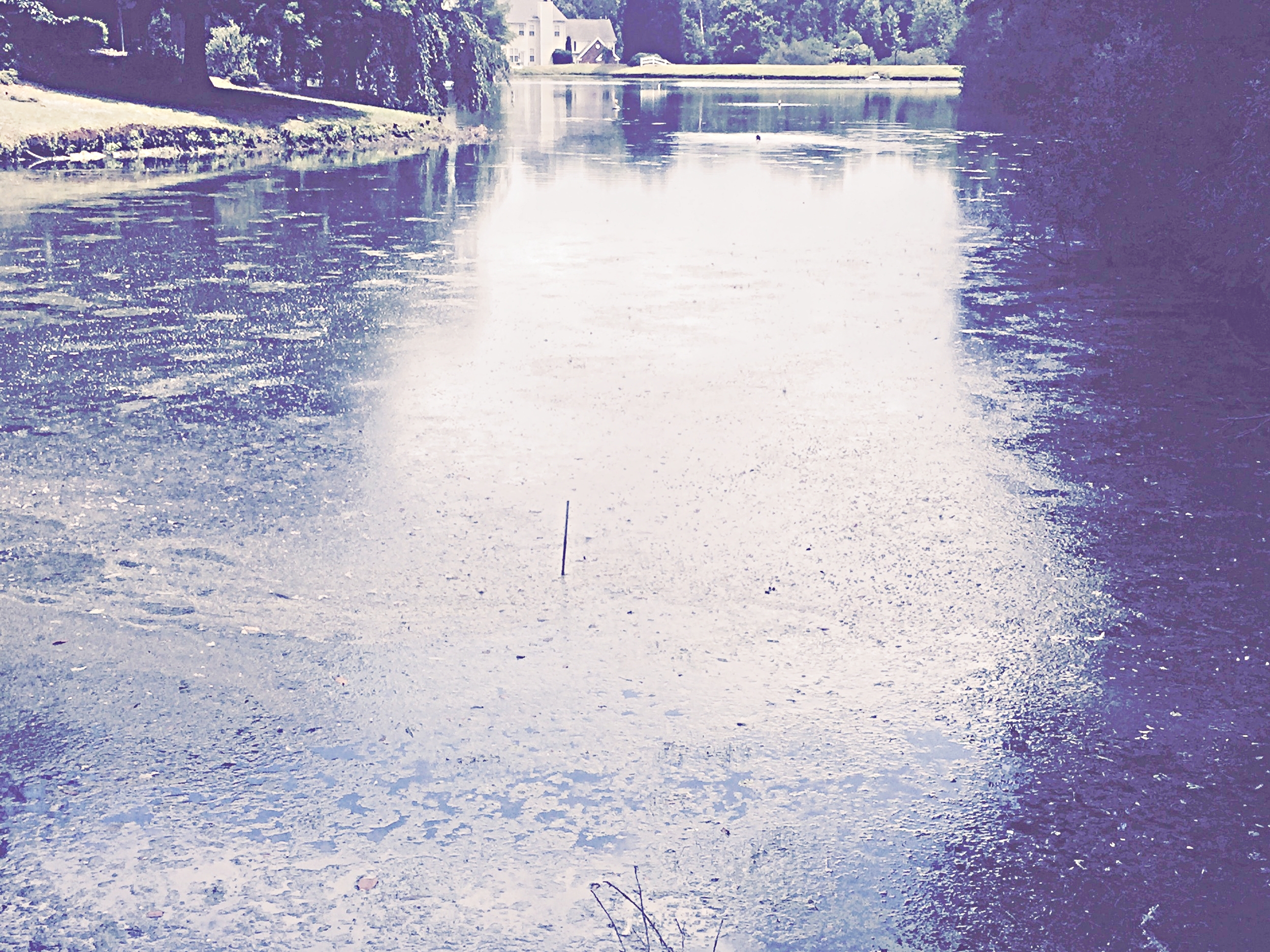
Back home, in my comfortable city full of southern charm, I see communities that have done the same as the third-world culture. They have forgotten about the structures put in place for stormwater management in their own subdivisions. Riprap in emergency spill ways and on banks have not been replaced causing erosion. Out-basins have become full of sediment causing stagnate water to stand and become obnoxious to both the eyes and the nose. Overgrown ponds are a nuisance and hinder any type of management. Today, the structures in place are forgotten. They don't work.
Meanwhile, municipalities understand the environmental effects of smaller communities on the city's watershed. Rather than allowing stormwater management to become outdated and overwhelmed as in India, they enforce best management practices. This means that subdivisions and property owners make improvements on a reactionary basis. These improvements come when it is expensive, perhaps cheaper than fines, yet more expensive than they should have been. Lately, because property managers have not managed the properties, designated stormwater areas have managed them. However, changes are being made. Finding a stormwater specialist is becoming popular as property managers realize it is cheaper to maintain than repair. I'd like to also think property managers also see a responsibility to be a good steward of their land as well.
The trend in stormwater management that we are moving toward works. It works because it is cheaper, it is more beautiful, and it is responsible. While I believe that our world is decades if not generations away from having a serious water crisis, we can eliminate the crisis by implimenting stormwater management.
To better understand what industrial and agricultural leaders say about the world's EMERGING WATER GAP watch the video below.
Benjamin Buck owns Buck Outdoors Stormwater Specialists. Buck Outdoors exists to take the burden of stormwater stewardship off the property managers. Their clientele range from Home Owner Associations to businesses. To learn more about Buck Outdoors Stormwater Specialists visit their website.