

The Importance of Underbrush Control: Forest Trails for Tree Health, Wildlife Habitat, and Pleasurable Access
Title: The Importance of Underbrush Control: Enhancing Forest Trails for Tree Health, Wildlife Habitat, and Pleasurable Access
Introduction:
Maintaining healthy and vibrant woodland ecosystems requires active management, and one critical aspect is underbrush control. By effectively managing the growth of vegetation beneath the forest canopy, we can create well-defined trails that offer numerous benefits to the environment, wildlife, and human enjoyment. In this blog post, we will explore over five reasons why having trails in the woods is advantageous and how it positively impacts tree health, wildlife habitat, and property accessibility for recreational activities.
1. Promoting Tree Health:
A well-maintained trail system plays a vital role in fostering the health of trees in a woodland. By controlling underbrush, we allow trees to receive ample sunlight, moisture, and nutrients, promoting their growth and development. Reduced competition for resources ensures that individual trees can thrive, leading to stronger, healthier forest stands overall.
2. Enhanced Wildlife Habitat:
Trails created through underbrush control provide excellent opportunities for wildlife to flourish. Open pathways facilitate the movement of various animal species, enabling them to access different parts of the forest more easily. Additionally, the removal of dense underbrush allows for the growth of diverse vegetation, providing food sources and shelter for a wide range of wildlife, including birds, mammals, and insects.
3. Increased Biodiversity:
Trails that are well-maintained and strategically placed can help increase biodiversity within the woodland. By creating diverse microhabitats along the trails, different plant species can flourish, attracting a variety of insects, pollinators, and small animals. This interplay of biodiversity strengthens the overall ecosystem and contributes to its resilience.
4. Improved Fire Safety:
Properly maintained trails act as firebreaks, helping to mitigate the spread of wildfires. By strategically designing trails as clearings or creating buffer zones between dense vegetation and property boundaries, the risk of fires spreading uncontrollably can be reduced. Firefighters can more effectively access and navigate the area during emergency situations, enhancing safety for both the forest and nearby communities.
5. Property Access for Pleasure:
Trails not only serve ecological purposes but also provide recreational opportunities for people to appreciate and enjoy the natural beauty of the woods. Whether it's hiking, biking, jogging, or simply taking a leisurely stroll, well-designed and maintained trails offer access to the serene environment and allow individuals to experience the sights, sounds, and scents of the forest. This access to nature contributes to improved mental and physical well-being, providing an escape from the stresses of everyday life.
Conclusion:
Underbrush control and the creation of trails in woodlands offer a myriad of benefits. From promoting tree health to enhancing wildlife habitat and providing recreational access, the advantages are manifold. By actively managing the undergrowth, we create an environment that fosters the growth and well-being of both the ecosystem and those who enjoy it. So, let us appreciate the importance of underbrush control and invest in the creation and maintenance of forest trails to preserve and enjoy the wonders of nature for generations to come.

Rain terms: Many you’ve never used, but will
I love the smell after a rain. I can’t describe the smell, but you know what I’m referring to. But did you know that smell has a name? Crazy, right? Actually, several unusual words are used for rain and stormwater. Use these words to impress your friends or keep them in mind for the next time you have family trivia night. I mean, we all find ourselves somewhere on the spectrum as Pluviophile. Don’t know what that means, skip down to number seven.
1. Mizzle: Very fine, misty rain or drizzle that almost appears like a fog.
2. Hydrometeorology: The study of the processes involving water in the atmosphere and their relationship to weather and climate.
3. Anvil cloud: The flat, spreading top portion of a mature thunderstorm that often resembles an anvil or mushroom shape.
4. Rainshadow effect: The phenomenon where one side of a mountain or geographic feature receives significantly less rainfall due to the prevailing winds forcing the moisture to rise and condense on the windward side.
5. Graupel: A type of precipitation consisting of snowflakes and supercooled water droplets that freeze upon contact, resulting in soft, white ice pellets.
6. Petrichor: The pleasant, earthy smell that occurs when rain falls on dry soil or rocks.
7. Pluviophile: A person who enjoys and finds peace or joy in rainy weather.
8. Virga: Rain that falls from a cloud but evaporates before reaching the ground.
9. Squall line: A line of intense, organized thunderstorms often associated with a cold front.
10. Rain shadow: A region that experiences significantly less rainfall due to the blocking effect of a mountain range.
11. Nimbus: A type of cloud associated with rain or precipitation.

Empowering Job Sites: The Rise of Portable Power Solutions
In the fast-paced world of construction and other job sites, where power demands are high and mobility is essentia
Title: Empowering Job Sites: The Rise of Portable Power Solutions
Introduction:
In the fast-paced world of construction and other job sites, where power demands are high and mobility is essential, having a reliable and portable power source has become a game-changer. Traditional power outlets may not always be available or convenient, making it crucial to explore alternative solutions. In this blog post, we'll delve into the importance of portable power on job sites and explore some innovative solutions that are revolutionizing the industry.
1. The Need for Portable Power:


Job sites often require power for various purposes, such as running power tools, operating machinery, charging devices, and providing lighting. Traditional fixed power sources may not be feasible or accessible in certain scenarios, especially in remote locations or during initial construction phases. Portable power solutions fill this gap by providing on-demand energy wherever it's needed.
2. Advantages of Portable Power:
a. Mobility: Portable power systems, such as generators and battery packs, offer unparalleled mobility, enabling workers to move freely around the job site without being tethered to a fixed power source. This flexibility enhances productivity and efficiency.
b. Versatility: Portable power solutions cater to a wide range of power requirements. From small-scale power tools to machinery, there are portable options available to meet diverse needs, making them indispensable on job sites.
c. Reliability: Modern portable power solutions are designed with robust features to ensure reliable and consistent power output. They are built to withstand rugged conditions, extreme weather, and voltage fluctuations, providing a stable power supply throughout the project.
3. Innovative Portable Power Solutions:
a. Mobile Generators: These compact and powerful generators run on fuel, such as gasoline or diesel, and provide a substantial amount of electricity for an extended period. They are ideal for larger job sites that require a higher power capacity.
b. Battery Packs: Advances in battery technology have led to the emergence of high-capacity, rechargeable battery packs. These packs can be easily transported and offer clean energy solutions, making them environmentally friendly alternatives to traditional generators.
c. Solar Power Systems: Harnessing the sun's energy, solar power systems have gained popularity on job sites. Solar panels are portable and can be deployed to generate electricity during daylight hours, reducing reliance on traditional power sources and minimizing carbon footprints.
4. Safety Considerations:
While portable power solutions offer convenience and flexibility, it's essential to prioritize safety on job sites. Here are a few key considerations:
a. Proper Training: Ensure that workers receive adequate training on operating portable power equipment, including safety protocols, maintenance, and handling procedures.
b. Ventilation: When using fuel-based generators, proper ventilation is crucial to prevent the buildup of harmful gases. Portable generators should be placed in well-ventilated areas to mitigate the risk of carbon monoxide poisoning.
c. Fire Safety: Portable power equipment should be kept away from flammable materials and properly stored when not in use. Fire extinguishers should be readily available on-site.
Conclusion:
Portable power solutions have become indispensable on job sites, empowering workers with the energy they need, where they need it. The ability to access reliable and mobile power sources has revolutionized the construction and related industries, improving productivity, efficiency, and worker safety. As technology continues to advance, we can expect even more innovative portable power solutions to emerge, further enhancing the way we work on job sites.
To support our blogging habit, we use affiliated links. Thanks for your stopping by.

9 Father’s Day gifts for landscaping dads
Father’s Day is the third Sunday of June. Perhaps a father in your life is crazy about his back lawn or a professional landscaper. Let’s face it, landscaping is an art that requires a combination of creativity, expertise, and the right tools. All of which offer great gifting potential. In this blog post, we explore ten must-have gadgets that every landscaper should incorporate into the toolkit. From precision measurements to automated maintenance, these gadgets will revolutionize the way your father approaches landscaping projects. Let's dive in!
TITLE: 9 Fathers’ Day Gifts for Landscaping Dads.
Affiliate links included in this article.
Father’s Day is the third Sunday of June. Perhaps a father in your life is crazy about his back lawn or a professional landscaper. Let’s face it, landscaping is an art that requires a combination of creativity, expertise, and the right tools. All of which offer great gifting potential. In this blog post, we explore ten must-have gadgets that every landscaper should incorporate into the toolkit. From precision measurements to automated maintenance, these gadgets will revolutionize the way your father approaches landscaping projects. Let's dive in!
Maintaining the right moisture levels in the soil is crucial for healthy plant growth. A soil moisture meter is a handy gadget that allows landscapers to measure the moisture content accurately. By inserting the probe into the ground, it provides instant readings, helping landscapers determine when and how much to water their plants, thus optimizing irrigation practices.
2. Digital Laser Measuring Tool:
Accurate measurements are vital in landscaping projects, whether it's determining dimensions for hardscapes or calculating precise plant spacing. A digital laser measuring tool provides quick and accurate distance measurements with the push of a button. Its compact size and easy-to-read display make it an indispensable gadget for landscapers.
3. Weather-Resistant Bluetooth Speaker:
Working outdoors can be more enjoyable with some background music or podcasts. A weather-resistant Bluetooth speaker allows landscapers to connect wirelessly to their preferred device and enjoy their favorite tunes while working. Look for durable and water-resistant models that can withstand the elements and provide high-quality sound.
Maintaining the optimal pH level in the soil is crucial for plant health. A handheld soil pH tester helps landscapers assess the acidity or alkalinity of the soil, enabling them to make informed decisions when selecting plants or adjusting soil conditions. Look for models that provide accurate and easy-to-read pH readings.
5. Wireless Weather Monitoring System:
A wireless weather station provides real-time information about temperature, humidity, wind speed, and rainfall. Landscapers can use this data to make informed decisions about watering schedules, plant selection, and overall landscape management. Look for models with wireless connectivity and a user-friendly interface for easy monitoring.
For landscapers who encounter unfamiliar plants or want to expand their knowledge, a plant identification app can be
Knowledge is power, and avid gardeners and landscapers are always hungry for new ideas and techniques. Surprise your dad with a captivating book on landscaping or gardening. Choose titles that cover various aspects of landscape design, plant selection, or sustainable gardening practices. This gift will not only inspire but also educate and enrich their landscaping endeavors.
Hours spent kneeling and working in the garden can take a toll on the body. Help your father take care of their joints and back with an ergonomic garden kneeler. These innovative tools provide comfort and support while working close to the ground, making planting, weeding, and pruning less strenuous.
9. Landscaping Design Software:
For tech-savvy landscapers, consider providing them with powerful landscaping software or design apps. These tools enable them to visualize and plan their projects effectively, experiment with different layouts, and explore plant combinations virtually. Such software can be a game-changer in their creative process.
This Fathers’ Day surprise the men in your life with a gadget they are sure to use. But, don’t forget that gift can be accompanied by your favorite candy bar. And if my kids have read to the end, I sure will enjoy that Payday.

South Carolina’s Rainy Season
In South Carolina, the precipitation patterns vary throughout the year, with certain months experiencing higher averages than others. The months of the year that are most likely to see higher precipitation averages in South Carolina are typically during the spring and summer seasons. Here’s a little secret…
In South Carolina, the precipitation patterns vary throughout the year, with certain months experiencing higher averages than others. The months of the year that are most likely to see higher precipitation averages in South Carolina are typically during the spring and summer seasons. Here’s a little secret, if you promise not to tell. I mean, this stays between you and me. I do read the Farmer’s Almanac (affiliate link), and find it pretty helpful.
1. April: April marks the beginning of the rainy season in South Carolina, with precipitation levels gradually increasing. It is common to experience frequent showers and thunderstorms during this month, contributing to higher precipitation averages.
2. May: May is characterized by warmer temperatures and increased moisture in the atmosphere, leading to a further rise in precipitation. Thunderstorms become more frequent, and rainfall amounts tend to be higher, especially towards the latter part of the month.
3. June: June is typically one of the wettest months in South Carolina. The combination of warm temperatures, increased humidity, and the arrival of the summer monsoon-like pattern brings ample moisture, resulting in higher precipitation averages. Thunderstorms and heavy downpours are common during this period.
4. July: July continues to see high precipitation averages, with frequent thunderstorms and heavy rainfall events. The warm and humid conditions prevailing during the summer contribute to the development of convective storms, which can produce intense rainfall in localized areas.
5. August: Similar to July, August remains a month with high precipitation averages in South Carolina. The state often experiences afternoon thunderstorms and widespread rainfall during this time. The combination of heat, humidity, and ample moisture supply fuels the convective activity.
While the aforementioned months generally experience higher precipitation averages, it is important to note that weather patterns can vary from year to year. South Carolina's climate is influenced by various factors, including tropical systems, frontal boundaries, and the interaction between warm and cool air masses. Consequently, precipitation levels can vary significantly, leading to fluctuations in monthly averages. To see see the history of precipitation accumulation in your area, we recommend Wunderground. Simply put your location in the ADDRESS SEARCH bar and then select HISTORY. You can look at your area by the month to find temperatures for each day and the precipitation accumulation. Here’s a quick walk through on how to use Underground.
It's advisable to refer to local weather forecasts and historical data for more accurate and up-to-date information on precipitation patterns in specific regions of South Carolina during different months of the year.


Enhance Your Rain Garden with Six Exquisite Plant Choices
Creating a thriving rain garden requires careful selection of plant species that can tolerate wet conditions while providing ecological benefits. The plants mentioned above, such as the Blue Flag Iris, Cardinal Flower, Swamp Milkweed, Joe-Pye Weed, Buttonbush, and Marsh Marigold, are excellent choices for rain gardens due to their adaptability, beauty, and ability to filter water runoff. By incorporating these plants into your rain garden, you can create a sustainable oasis that not only enhances your outdoor space but also contributes to the well-being of local ecosystems.
Title: Enhance Your Rain Garden with Six Exquisite Plant Choices
Introduction:
Rain gardens are a beautiful and environmentally friendly way to manage stormwater runoff while adding a touch of natural elegance to your outdoor space. These specialized gardens are designed to capture and filter rainwater, reducing erosion and preventing pollutants from entering waterways. When it comes to creating a thriving rain garden, selecting the right plants is crucial. In this blog, we will explore a selection of specific plants that are ideal for rain gardens, ensuring a stunning and sustainable addition to your landscape.
1. Blue Flag Iris (Iris versicolor):
With its vibrant blue-purple flowers, the Blue Flag Iris is a visually striking choice for any rain garden. This native plant thrives in wet soil and can tolerate periodic flooding. Its robust root system helps stabilize the soil, preventing erosion. Apart from its aesthetic appeal, Blue Flag Iris also attracts pollinators, making it an excellent choice for supporting local biodiversity.
2. Cardinal Flower (Lobelia cardinalis):
Known for its stunning display of fiery red flowers, the Cardinal Flower is a fantastic choice for rain gardens. This perennial plant thrives in moist to wet conditions and is highly adaptable to a variety of soil types. Its nectar-rich flowers attract hummingbirds and butterflies, adding life and color to your rain garden.
3. Swamp Milkweed (Asclepias incarnata):
Swamp Milkweed is not only a beautiful addition to a rain garden, but it also plays a vital role in supporting declining monarch butterfly populations. Its clusters of pink flowers provide a source of nectar for butterflies and other pollinators. This hardy perennial thrives in moist soil and is an excellent choice for filtering runoff water.
4. Joe-Pye Weed (Eupatorium purpureum):
Joe-Pye Weed is a tall, native perennial that thrives in wet soil conditions, making it an excellent choice for rain gardens. Its large, mauve-pink flower clusters provide a burst of color and attract various pollinators. With its extensive root system, Joe-Pye Weed helps control erosion while filtering excess nutrients from the water.
5. Buttonbush (Cephalanthus occidentalis):
Buttonbush is a versatile shrub that thrives in wet soils, including the edges of rain gardens. Its unique, spherical flower clusters attract butterflies and bees. The shrub's dense foliage provides cover for wildlife and helps prevent soil erosion. Buttonbush is also known for its ability to filter out pollutants, making it a valuable addition to a rain garden.
6. Marsh Marigold (Caltha palustris):
Marsh Marigold is a cheerful perennial that brightens up any rain garden with its vibrant yellow flowers. This moisture-loving plant prefers damp soil conditions and is often found along the edges of ponds or streams. Marsh Marigold is an early bloomer, adding a burst of color to your garden in early spring while attracting bees and butterflies.
Conclusion:
Creating a thriving rain garden requires careful selection of plant species that can tolerate wet conditions while providing ecological benefits. The plants mentioned above, such as the Blue Flag Iris, Cardinal Flower, Swamp Milkweed, Joe-Pye Weed, Buttonbush, and Marsh Marigold, are excellent choices for rain gardens due to their adaptability, beauty, and ability to filter water runoff. By incorporating these plants into your rain garden, you can create a sustainable oasis that not only enhances your outdoor space but also contributes to the well-being of local ecosystems.
Creating a Haven for Mosquito-Eating Birds: Attracting Wildlife to Your Detention Pond
By implementing these strategies to attract mosquito-eating birds to your detention pond, you can transform it into a thriving ecosystem that benefits both wildlife and water management. A diverse array of native vegetation, water features, suitable nesting sites, and natural food sources are key to attracting a variety of bird species. Remember, it is important to maintain a balanced ecosystem by minimizing chemical use and promoting conservation efforts.
Title: Creating a Haven for Mosquito-Eating Birds: Attracting Wildlife to Your Detention Pond
Affiliate links may be used in this article.
Introduction:
Detention ponds serve as crucial water management systems, but they can also play a vital role in promoting biodiversity and ecological balance. By attracting mosquito-eating birds to your detention pond, you can not only help control mosquito populations but also create a thriving ecosystem that benefits various avian species. In this blog post, we will explore effective strategies to attract mosquito-eating birds to your detention pond, turning it into a haven for both wildlife and water management.
1. Native Vegetation:
To entice mosquito-eating birds, it's essential to establish a diverse array of native vegetation around your detention pond. Native plants not only provide a natural habitat for birds but also attract insects, which are a vital food source for many avian species. Consider planting a mix of shrubs, grasses, and flowering plants that are indigenous to your region. These plants will offer shelter, nesting sites, and nectar for birds, ensuring a thriving environment.
2. Water Features:
In addition to vegetation, incorporating various water features in and around your detention pond can greatly appeal to mosquito-eating birds. Birds require a reliable water source for drinking, bathing, and hunting prey. Consider adding a shallow area with gently sloping edges to allow easy access for birds to wade in. Additionally, installing a small fountain or a bird bath nearby will attract a wider range of species. The sound of running water can act as a magnet for birds and create a soothing ambiance.
3. Nesting Sites:
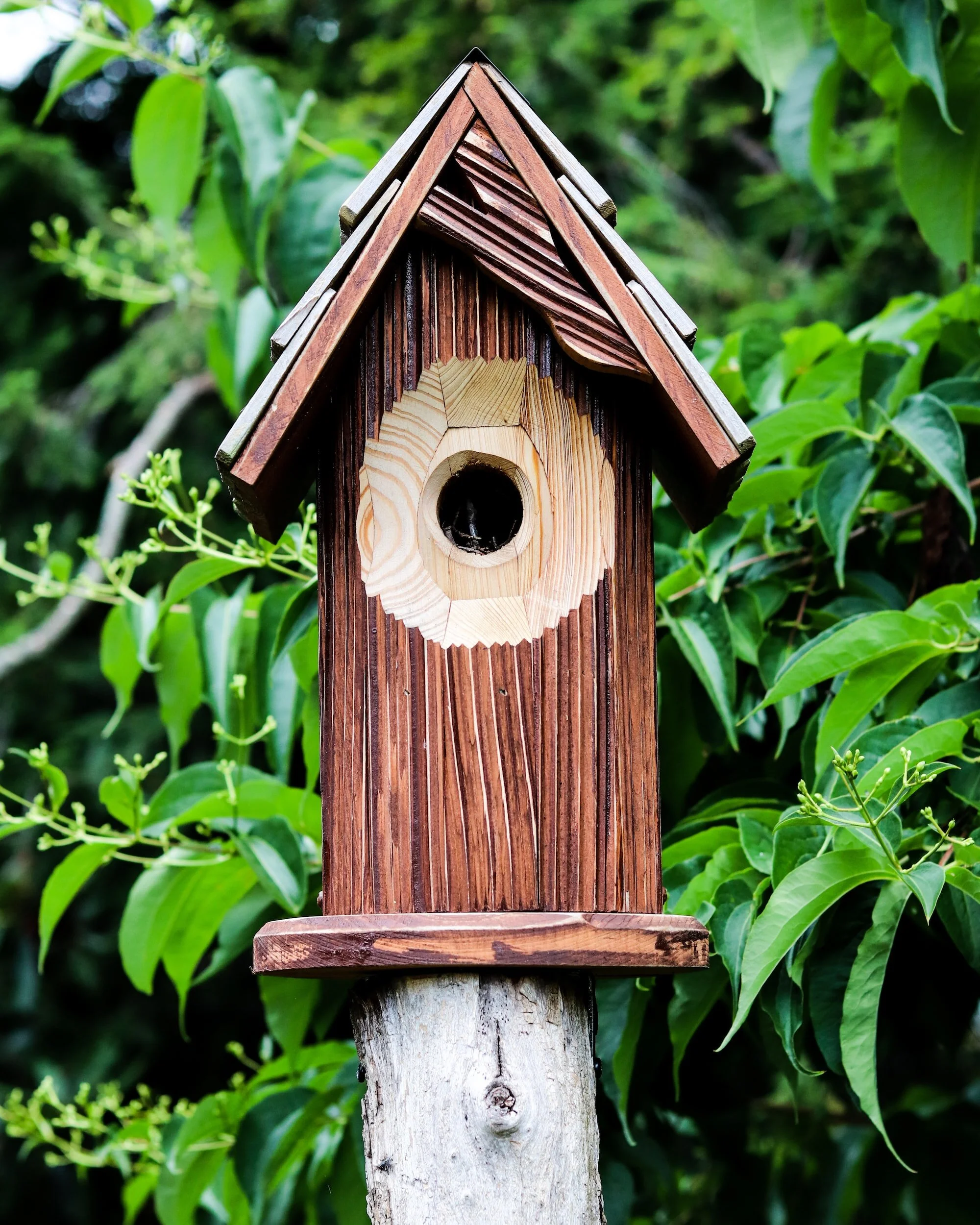
Providing suitable nesting sites is crucial for attracting mosquito-eating birds to your detention pond. Different species have distinct preferences for nesting locations, so it's important to offer a variety of options. Install birdhouses, nesting boxes, and platforms at various heights and orientations around the pond. Research the specific requirements of local bird species to ensure the structures are designed to meet their needs. By creating safe and suitable nesting opportunities, you encourage birds to establish their homes near the pond.
4. Food Sources:
Mosquito-eating birds require a diverse diet to thrive. Incorporate a variety of plants that produce seeds, fruits, or nectar to attract a broader range of insects and other invertebrates. Consider planting species that flower at different times throughout the year, providing a consistent food source for birds. Additionally, leaving areas of the detention pond undisturbed can allow natural vegetation to grow, attracting insects and small aquatic organisms that birds can feed on.
5. Minimize Chemical Use:
To maintain a healthy ecosystem and attract mosquito-eating birds, it's crucial to minimize the use of chemicals in and around the detention pond. Pesticides and herbicides not only harm insects and other potential food sources for birds but can also disrupt the delicate balance of the ecosystem. Instead, focus on creating a natural and pesticide-free environment that supports a robust food chain for avian species.
6. Educational Signage and Conservation Efforts:

Raise awareness among your community about the importance of attracting mosquito-eating birds and the role of detention ponds in supporting local wildlife. Install educational signage near the pond to inform visitors about the significance of the habitat and the benefits of the birds' presence. Encourage conservation efforts such as birdwatching events or educational programs to foster a sense of stewardship and appreciation for the avian species.
Conclusion:
By implementing these strategies to attract mosquito-eating birds to your detention pond, you can transform it into a thriving ecosystem that benefits both wildlife and water management. A diverse array of native vegetation, water features, suitable nesting sites, and natural food sources are key to attracting a variety of bird species. Remember, it is important to maintain a balanced ecosystem by minimizing chemical use and promoting conservation efforts.

Sustainable Solutions for Stormwater Management
As our communities grow, so does the demand for effective and sustainable stormwater management solutions. Traditional methods of stormwater management, such as concrete channels and retention ponds, are becoming outdated, and new innovative solutions are being developed to address the environmental impact of stormwater runoff.
As our communities grow, so does the demand for effective and sustainable stormwater management solutions. Traditional methods of stormwater management, such as concrete channels and retention ponds, are becoming outdated, and new innovative solutions are being developed to address the environmental impact of stormwater runoff.
1. Rain Gardens
Rain gardens are a type of green infrastructure that uses plants to naturally filter stormwater runoff. They are designed to capture and absorb stormwater runoff from rooftops, driveways, and other impervious surfaces, reducing the amount of water that enters our stormwater systems.
Buck Outdoors can help create beautiful and functional rain gardens that enhance the aesthetics of your property while providing effective stormwater management.
2. Permeable Pavement
Permeable pavement is another type of green infrastructure that allows stormwater runoff to pass through the pavement and into the ground below. This helps reduce the amount of runoff that enters our stormwater systems and can help prevent flooding and erosion.
Buck Outdoors teams up with local landscapers to build permeable pavement solutions, including pervious concrete, permeable pavers, and porous asphalt, that can help reduce the environmental impact of stormwater runoff.
3. Bioswales
Bioswales are another type of green infrastructure that uses plants and engineered soils to naturally filter stormwater runoff. They are typically shallow, vegetated channels that are designed to slow down and filter stormwater runoff, removing pollutants and sediment before it enters our stormwater systems.
Buck Outdoors enjoys helping create custom-designed bioswales that can effectively manage stormwater runoff while enhancing the beauty of your property.
4. Rainwater Harvesting
Rainwater harvesting is the collection and storage of rainwater for future use. It can help reduce the demand for potable water and can also help reduce the amount of stormwater runoff that enters our stormwater systems. Numerous local governments have started offering tax incentives for storing rain runoff for non-potable use.
Buck Outdoors offers rainwater harvesting solutions that can help reduce your water usage and provide a sustainable source of water for irrigation and other non-potable uses.
In conclusion, sustainable and innovative solutions for stormwater management are essential for protecting our communities and the environment. Buck Outdoors offers a range of green infrastructure solutions, including rain gardens, permeable pavement, bioswales, and rainwater harvesting, that can effectively manage stormwater runoff while enhancing the aesthetics and sustainability of your property.
If you are looking for a sustainable solution for your next stormwater management project, contact Buck Outdoors today. Our team of experts can help design and implement a custom solution that meets your specific needs and provides long-term benefits for you and the environment.

Why Manufacturing Sites Need a Qualified SWPPP Manager: The Importance of Hiring a Third-Party Expert
Manufacturing sites are responsible for a significant amount of stormwater runoff, which can pose a threat to the environment if not properly managed. That's where a qualified Stormwater Pollution Prevention Plan (SWPPP) manager comes in. In this blog post, we will discuss the importance of manufacturing sites hiring a third-party, qualified SWPPP manager.
Manufacturing sites are responsible for a significant amount of stormwater runoff, which can pose a threat to the environment if not properly managed. That's where a qualified Stormwater Pollution Prevention Plan (SWPPP) manager comes in. In this blog post, we will discuss the importance of manufacturing sites hiring a third-party, qualified SWPPP manager.
1. Compliance with Regulations
Manufacturing sites must comply with a variety of environmental regulations related to stormwater runoff. These regulations vary by state and region, and failure to comply can result in costly fines and penalties. A qualified SWPPP manager can help ensure that your manufacturing site is compliant with all regulations, reducing the risk of fines and legal issues.
2. Expertise and Knowledge
A qualified SWPPP manager has the expertise and knowledge to properly assess your site's potential sources of stormwater pollution and develop effective solutions to prevent it. They can also conduct regular inspections and audits to ensure that your site remains in compliance with regulations.
3. Cost-Effective
Hiring a third-party, qualified SWPPP manager can actually be cost-effective in the long run. They can identify potential issues before they become more serious and costly problems. By investing in a qualified SWPPP manager, you can reduce the risk of costly fines, lawsuits, and reputational damage.
4. Reduced Liability
Manufacturing sites can face significant liability if they fail to properly manage stormwater runoff. A qualified SWPPP manager can help reduce your liability by ensuring that your site is compliant with regulations and implementing effective solutions to prevent pollution.
5. Improved Reputation
Finally, a manufacturing site that prioritizes stormwater management and hires a qualified SWPPP manager can improve its reputation in the community and among customers. By demonstrating a commitment to environmental responsibility, you can differentiate your site from competitors and attract environmentally-conscious customers.
In summary, hiring a third-party, qualified SWPPP manager can help manufacturing sites comply with regulations, reduce costs, reduce liability, and improve their reputation. To learn more about how a qualified SWPPP manager can benefit your manufacturing site, contact a professional service provider like Buck Outdoors.
Addressing Concerns: What to Do if You Suspect Issues with Your Local Detention Pond
Introduction:
Detention ponds play a vital role in managing stormwater and protecting local waterways. However, if you believe that your local detention pond is facing problems such as poor maintenance, water quality issues, or inadequate drainage, it's important to take action. In this blog post, we will guide you through the steps to address your concerns effectively, with an emphasis on open communication with the property owner or manager.
1. Observe and Document the Issues:
Before taking any action, spend some time observing and documenting the problems you notice in the detention pond. Take photographs, make notes about visible issues, and gather any relevant information regarding the potential impact on the surrounding environment or nearby properties. This documentation will serve as evidence and help facilitate discussions.
2. Research the Property Owner or Manager:
Identify the appropriate property owner or manager responsible for the detention pond. This information can usually be obtained through local government records, homeowner associations, or property management companies. It's important to reach out to the correct person or entity to ensure your concerns are addressed promptly and effectively. If you are unsure who might own the property in question, search for “GIS + [your municipality].”
3. Initiate Open Communication:
Contact the property owner or manager to express your concerns about the detention pond. Approach the conversation with a respectful and collaborative tone, focusing on the potential issues you've observed and their impact on the community and environment. Provide clear, concise information and be prepared to share your documentation if requested. Open dialogue is crucial to finding a resolution.
4. Seek Local Government Support:

What to do when you feel a stormwater pond is in violation.
If the property owner or manager does not address your concerns adequately or fails to take action, you may need to escalate the matter to local government authorities. Research the local governing body responsible for overseeing stormwater management or environmental issues. Generally, the title of that office is utilities or land development. Contact them to report the problems with the detention pond, providing all relevant information and documentation you have gathered. Again, this action should be taken only when the property owner is not favorably responsive to your requests.
5. Engage the Community:
Raise awareness within your community about the issues surrounding the detention pond. Share your concerns with neighbors, homeowner associations, or local environmental organizations. Collaborating with others who share your concerns can strengthen your voice and encourage collective action. Together, you can amplify the need for appropriate maintenance and restoration efforts.
6. Be Persistent and Involved:
Resolving issues with a detention pond may take time and ongoing effort. Be patient. Stay engaged in the process, following up with property owners, managers, or local authorities to ensure progress is being made. Attend community meetings or public hearings related to the detention pond to voice your concerns and advocate for necessary improvements.
Conclusion:
If you suspect problems with your local detention pond, it's essential to take action and address your concerns. By observing, documenting, and communicating with the property owner or manager, you can initiate a dialogue that aims to rectify the issues. If necessary, involve local government authorities and engage the community to collectively advocate for improvements. Remember, open communication and persistent involvement are key to resolving problems and ensuring the proper maintenance and functionality of detention ponds for the benefit of the environment and the community.