3 Compliance Nightmares That Could Shut Down Your Jobsite (And How to Avoid Them)
Having a third-party inspector isn’t just about avoiding fines. It’s also about having a team member to help manage relationships, anticipate risks, and keep the project moving smoothly. These nightmares aren’t inevitable, but they’re easy to overlook if you don’t have a trusted partner on site.
Construction sites have so many moving parts, so much so that even the most experienced general contractor can feel like the chaos is overwhelming. Throughout my decade of CEPSCI inspections in South Carolina, I’ve seen small oversights turn into major headaches. Here are three chaos triggers that could have been avoided.
1. Stop-Work Orders During Critical Phases
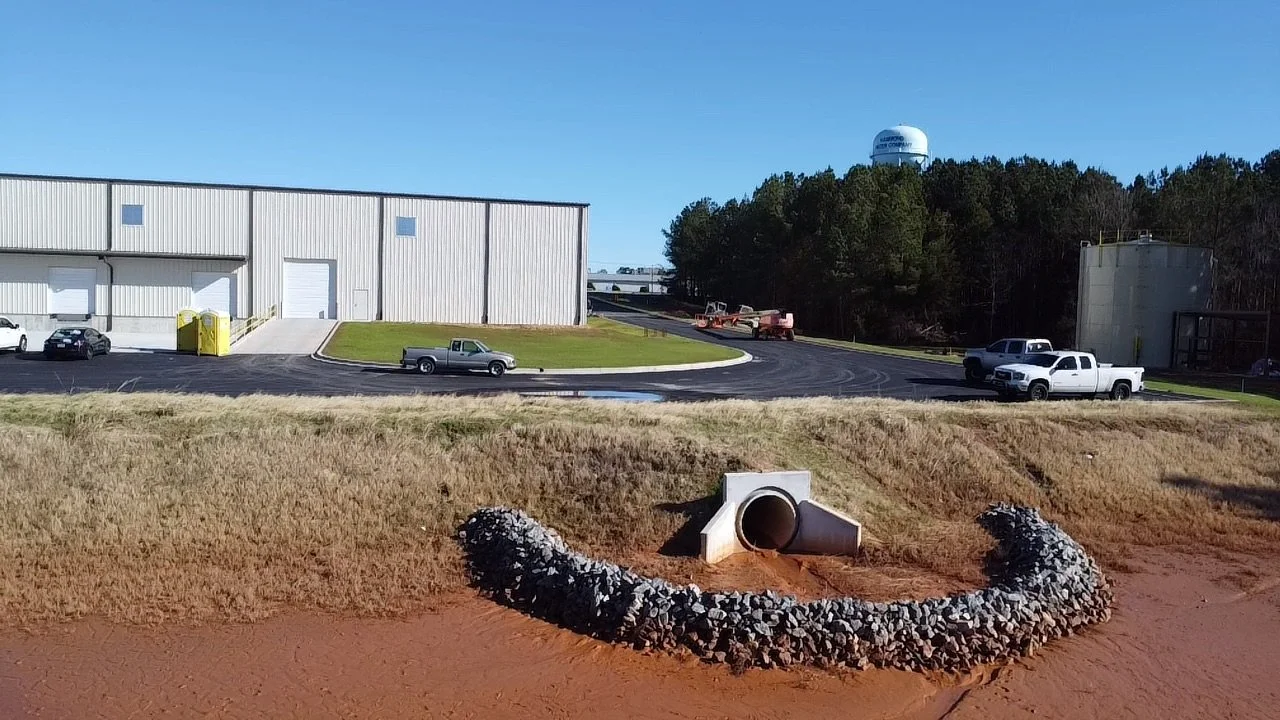
Several years ago, I was part of a large storage unit project. From the very beginning of the project, things were not going well and early on the General Contractor was looking down the barrel of a potential stop-work order. The original grader dug out a stormwater pond and ran into problems. The issue escalated quickly when the grader decided to quit. The project was slowed while waiting for a new grader to come on site to inherit the complicated mess. As problems were getting straighten out issues included sediment in a near by pond, tracking onto the road, aging and deteriorating temporary BMPs, and there was one hillside that suffered from erosion during every rain event. The regulator and I were both at a state stormwater conference and the topic of this project came up. I was told that the following days a stop-work order would be issued. The regulator and I stepped aside during the conference and developed a plan to resolve the issues and keep the project rolling. I took pride in the reality that my client did not experience down time on this project.
Lesson: Having a neutral, knowledgeable inspector on site prevents escalation acting as a bridge between regulators and contractors.
2. Pre-Existing Problems
On another construction site, I was managing the neighboring community’s stormwater infrastructure. They had failing junction boxes and disjointed pipes. Sediment from these problem spots were filling the storm pond. I was working with this community to resolve problems. They did not have the money for the repairs. Knowing that the construction site nearby was to tie into the community’s stormwater, the problem could potentially become worse and create a problem between the two. I made both parties aware of the potential problems, and suggested that the GC put a camera in the storm pipes. This allowed the GC to have proper documentation and avoid blame for pre-existing issues. Furthermore, the plan allowed the community to have a needed visual of what was going on in their pipes without spending money they didn’t have. With interest in both clients, I was able to intervene, facilitate the defining of a clear benchmark, and allow both parties to have a productive conversation before the project even started.
Lesson: Documenting conditions and setting clear boundaries before work begins can prevent disputes and protect your company’s reputation.
3. Storm Events
Heavy rains can create chaos on any site. I tell my inspectors that if they come back after a rain event and don’t record any problems then I doubt how thorough their inspection was. On one project, footers were filled with water after a storm. The GC was from Alabama, so the superintendent didn’t know where to find a pump locally. While I was on site I asked the frustrated superintendent what his plan was. He asked for the closest rental company so that he could obtain a pump. Fortunately, my shop was just down the road from the site and the superintendent followed me back to the shop. I helped load up my pump and the work continued with minimal delay.
Lesson: For an out of state GC, having local third-party team member ensures you’re not scrambling when the problem hit.
Having a third-party inspector isn’t just about avoiding fines. It’s also about having a team member to help manage relationships, anticipate risks, and keep the project moving smoothly. These nightmares aren’t inevitable, but they’re easy to overlook if you don’t have a trusted partner on site.
Weekly CEPSCI inspections provide peace of mind, early warning of potential issues, and a trusted voice to help navigate unexpected challenges. In my experience, those who embrace third-party inspectors as a proactive tool minimize compliance nightmares.

CEPSCI: The Value of Third-Party Inspectors
General contractors and superintendents are juggling countless tasks every day. They manage crews, coordinate deliveries, troubleshoot equipment, and keep the project on schedule. It’s easy to become so familiar with the site that small issues go unnoticed. That’s where weekly, third-party CEPSCI inspections make a difference.
I started doing CEPSCI inspections in 2016, I really thought my role was simply to make sure sites were compliant and help my clients avoid violations. Today though, I realize there’s a bigger role. Weekly inspections can actually make a construction site more productive, save time, and prevent costly rework.
One thing is for certain, general contractors and superintendents juggle countless tasks every day. They manage subcontractors, coordinate deliveries and troubleshoot equipment in order to keep the project on schedule. They're busy all day, every day on the job site. Erosion and sediment issue quickly fade into the familiar backdrop of the site and small issues go unnoticed. Weekly, third-party CEPSCI inspections become a key ingredient to success.
Superintendents may initially see me as an annoyance. One actually made me aware that he did not need me “looking over my shoulder.” However, a few weeks later a municipality regulator pointed out a concern about potential offsite sediment impact. Because I had documented the site BMPs, the superintendent could immediately show photos and reports, resolving the issue quickly and avoiding delays. By consistently documenting what is done correctly in addition to the problems, this superintendent came to rely on my role.
On another project, a heavy rain event filled dug-out footers with water. The out of state superintendent was at a loss trying to quickly find a pump locally. When I came on site he was franticly calling rental companies, all of which were 30 minutes away, a full hour off site not being productive. However, my shop was less than five minutes away. I told him to follow me to the shop, he was able to borrow a pump immediately and keep work moving, saving hours of downtime. That’s the power of a relationship with a third-party local.
It’s important to see that CEPSCI inspectionors aren’t there to create extra work. Instead, they’re a team member, giving the GC confidence that the work is properly documented, issues are quickly addressed, and progress isn’t derailed by avoidable problems. GCs have gone from skeptics to asking for my insight on site planning, stormwater management, and even subcontractor coordination because they see me as a trusted resource.

In the end, third-party inspectors are more than compliance, they’re a productivity tool. They allow superintendents to focus on managing subcontractors and schedules. And by catching small problems early, they prevent minor issues from becoming costly delays or rework.
The value a third-party inspector brings to GCs helps keep them ahead of problems, keep projects on schedule, and maintain peace of mind throughout construction.

The Silent Jobsite Killer: How Sediment Runoff Can Stall Your Project (and Cost You Thousands)
At the end of the day, what CEPSCI brings to every site is peace of mind. My inspections give GCs confidence that the site is compliant, risks are managed, and the long-term health of the watershed is being considered. That’s a value that lasts far beyond any project.

I’ve been completing CEPSCI inspections in South Carolina since 2016, and over the past decade, I’ve seen first-hand how small issues on construction sites can snowball into big problems, sometimes long after a project is “finished.”
I remember my very first inspection. I had just taken the class, past the test, and my CEPSCI card came in the mail. Within days of receiving that CEPSCI card, I was at a pre-construction meeting for a project. Since then, I’ve worked on storage units, medical offices, schools, retail centers, water supply lines. And through every site, one lesson has been crystal clear: sediment and erosion issues are often overlooked until they turn into major headaches.
Take, for example, a recent multi-building site. The superintendent had been walking the site daily, and familiarity dulled his awareness. During my inspection, I noticed a subcontractor had piled supplies on top of a silt fence, compromising a culvert under the road. The problem had gone on for days, and a recent rain event caused offsite impact. Had the problem gone unnoticed during the next rain event, sediment could have clogged the culvert and and gotten on the roadway. Because we caught it early enough, repairs were completed quickly, avoiding a costly problem and keeping the project on schedule.
This is the value of weekly CEPSCI inspections: a fresh set of eyes. Superintendents are on-site all day, every day. To be honest, they become too familiar with the site to see every detail. I’ve seen experienced GCs initially resist my presence, thinking I’m there to “look over their shoulder.” But very quickly, they recognize that my inspections aren’t about creating extra work. Instead, they’re about preventing risk, maintaining compliance, and saving time. I’ve had superintendents go from seeing me as a problem to asking for my advice on complex stormwater issues because they trust that my guidance helps them avoid headaches, fines, and even stop-work orders.
Another project highlights this perfectly. A GC faced a potential stop-work order after a stormwater pond dig-out went wrong during heavy rains. I was able to intervene, provide a punch list of corrective actions, and facilitate communication between the GC and the local regulator. The stop-work order was avoided, and the project continued safely and on schedule.
What I want GCs to understand is simple: erosion and sediment issues aren’t just about passing inspections today. They actually have long-term effects. Soil and water conservation continues well after a project is closed out. Ponds need proper maintenance, junction boxes and catch basins trap sediment as designed and eventually need cleaning or repair. And minor oversights during construction can turn into costly problems decades later.
At the end of the day, what CEPSCI brings to every site is peace of mind. My inspections give GCs confidence that the site is compliant, risks are managed, and the long-term health of the watershed is being considered. That’s a value that lasts far beyond any project.
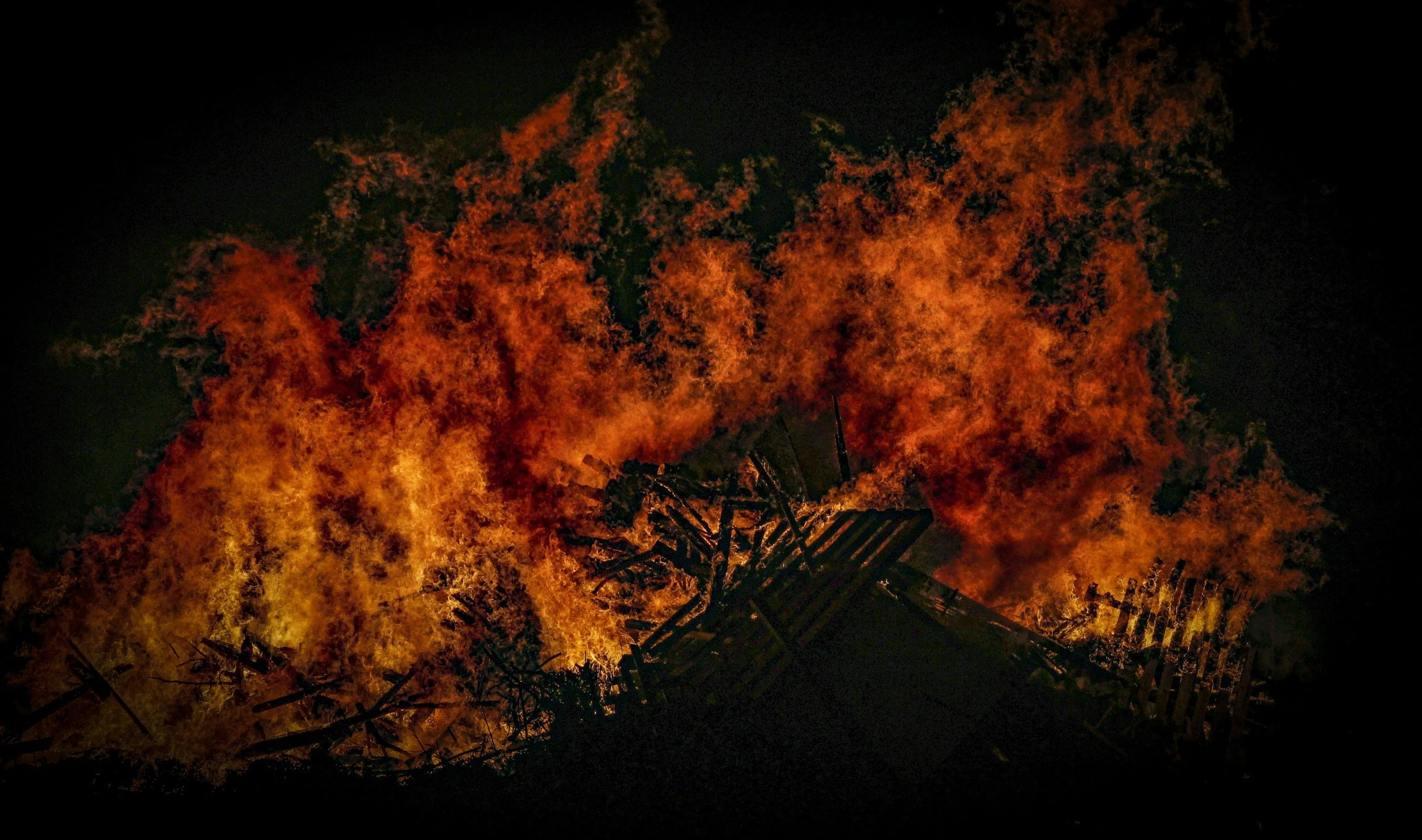
Cuyahoga River on Fire
Fires effect the environment. Learn how one fire sparked environmental stewardship.
Learn how a river on fire helped spark a revolution in environmental stewardship as well as how Buck Outdoors helps properties with environmental stewardship in this fascinating discussion.
Video and/or it’s content is created using AI technology.
Craft Your Environmental Mission Statement for Corporate Sustainability
Sustainability is not just a fad, or a buzzword. It’s so much more. Sustainability is a strategy that actually positions companies as a leader in evolving markets. Companies that truly value sustainability, begin by creating an environmental mission statement to communicate its commitment, and provide a clear roadmap for environmental stewardship.
The Foundation: Key Values of an environmental mission statement
A strong EMS reflects values that resonate with all stakeholders:
Be Transparent: The mission should be something that can be seen and noticed. Thus, there should be some means to communicate progress toward the mission. Follow Google’s Environmental Reports for an example.
Be Accountable: Being out there with your EMS, makes you somewhat vulnerable. Or, better put, forces you to be accountable to the community. Align actions with promises, demonstrated by Microsoft’s carbon-negative pledge.
Be Innovative: In today’s world, stakeholders want to see a forward thinking. Thus, let your environmental mission embrace technology for sustainable solutions, such as IBM’s environmental programs.
Be Engaged: If you truly believe that your community, your world, needs you, then you should engage the community. Partner with local communities to ensure shared growth and benefits, which is a cornerstone for Starbucks’ sustainability initiatives.
Be Futuristice: Your EMS is an opportunity to show that you are in the game for the long haul. Set ambitious, yet realistic goals for long-term impact, as highlighted by Nestlé’scommitment to net zero by 2050.
Engaging Stakeholders Through Sustainability

A well-crafted mission statement motivates and unites:
Investors: Clear environmental goals attract ESG-conscious investors. Programs like CDP (Carbon DisclosureProject) enable transparency and a rich soil to foster trust.
Employees: Sustainability builds shared purpose and pride. Companies like Salesforce highlight their green initiatives, which boost employee morale and retention.
Customers: Today’s consumers demand ethical brands. A mission statement can deepen loyalty, as seen in Patagonia’s activism for the planet.
Programs to Elevate Sustainability Efforts
Companies can multiply their impact by joining global initiatives:
The Science Based Targets Initiative (SBTi): Align your goals with climate science.
1% for the Planet: Dedicate a percentage of revenue to environmental causes.
The Pollinator Partnership: Support biodiversity through pollinator habitats.
Conservation International: Collaborate on protecting critical ecosystems.
How to Begin Your Sustainability Journey
Start by drafting a mission statement that reflects your unique environmental goals. Collaborate with stakeholders for authenticity and ensure it’s visible across your platforms. Companies like PepsiCo and Walmart have demonstrated how integrated messaging can drive meaningful change.
At Buck Outdoors, we specialize in helping corporations translate values into action. Let us guide you in crafting an environmental mission statement that inspires trust and drives results. Schedule a consultation today to begin your journey toward sustainable leadership.
The Missing Link in ESG: Building a Legacy of Environmental Stewardship on Industrial Campuses
Environmental, Social, and Governance (ESG) principles are no longer optional in the corporate world—they’re essential. Yet, despite rising investor interest and consumer expectations, industrial campuses often lag in embedding sustainability into their operations. At Buck Outdoors, we see this as an opportunity, not a challenge: to transform industrial facilities into sustainability leaders that drive measurable environmental and social impacts.
Why ESG Matters Now More Than Ever
ESG isn’t just a buzzword; it’s a framework driving long-term value creation. According to a Harvard Business Reviewreport, companies with strong ESG performance attract more investors, achieve better financial results, and foster greater employee loyalty. However, effective ESG strategies require more than aspirational goals. They demand actionable steps—and this is where many organizations falter.
For example, while Amazon has committed to achieving net-zero carbon by 2040 through initiatives like The Climate Pledge, smaller-scale industrial campuses can also make meaningful strides by adopting innovative sustainability practices. These efforts enhance operational efficiency and establish a legacy of environmental leadership.
Practical Solutions for Industrial Campuses
At Buck Outdoors, we collaborate with companies to design and implement practical, site-specific solutions. From reducing stormwater runoff with green infrastructure to developing pollinator habitats and rewilding underutilized spaces, our initiatives create ecosystems of environmental, social, and economic value. Imagine turning a barren detention pond into a vibrant wetland that supports biodiversity, enhances water quality, and demonstrates a visible commitment to sustainability.
Case Studies That Inspire Action
Consider Budweiser’s commitment to water stewardship, achieving major reductions in water usage per hectoliter of beer produced. Similarly, PepsiCo’s investments in regenerative agriculture underscore how corporations can integrate sustainability into their supply chains. These examples show what’s possible with the right focus and strategy.
Industrial campuses have unique opportunities to lead. Initiatives like pollinator pathways, bird habitats, and rewilding projects not only address environmental challenges but also support companies in meeting global ESG goals. With partnerships like ours, you can align your campus operations with globally recognized sustainability standards like ISO 14001.
How Buck Outdoors Can Help

Our approach begins with a sustainability fact-finder—a comprehensive assessment of your campus’s current environmental practices, challenges, and opportunities. This tool identifies actionable steps tailored to your operations, ensuring compliance with ESG frameworks and creating a roadmap for measurable improvement.
The time to act is now. As ESG standards become increasingly critical to investors, employees, and consumers alike, industrial campuses must seize the opportunity to lead. Let Buck Outdoors guide you toward a legacy of sustainability that benefits your operations, community, and future generations.
Take the First Step
Let’s explore how your industrial campus can become a model of environmental stewardship. Contact us today to schedule a sustainability fact-finder and start your journey toward an ESG-driven future.
Achieving Regulatory Compliance through Continuous Environmental Oversight
The environment constantly changes, a sign of its vitality and resilience. As concrete development expands and cities grow, the natural world adapts in response. Thus, environmental regulations evolve to address these changes, ensuring the protection of ecosystems and public health. For manufacturing and warehouse campuses, this means one thing: staying ahead of the curve through diligent and continuous oversight.
Regulatory compliance is not a one-time checkbox. It’s a dynamic process that requires ongoing attention and expertise. Random inspections or casual assessments won’t cut it in today’s landscape of increasingly strict environmental standards. Instead, maintaining compliance demands constant monitoring and thoughtful evaluation—tools that Buck Outdoors specializes in providing to businesses like yours.
Why Continuous Oversight Matters
Environmental regulations are designed to address challenges like water contamination, soil erosion, and air pollution. With every update, these rules aim to mitigate the impact of human activity on the planet. However, staying compliant can feel like navigating a moving target. Changes in regulations may seem overwhelming, but failing to meet these standards could lead to fines, operational delays, or even reputational damage.
Continuous oversight bridges the gap between regulatory updates and on-the-ground practices. It ensures that your site is not only meeting current requirements but is also prepared for future changes. This proactive approach supports an environmentally sustainable campus while reinforcing your commitment to corporate responsibility.
Buck Outdoors: Your Partner in Compliance
At Buck Outdoors, we understand the complexities of environmental regulations and the importance of staying compliant. Our team offers services designed to keep your manufacturing or warehouse campus in line with local, state, and federal standards:
Stormwater Solutions: We inspect and maintain stormwater infrastructure, ensuring proper drainage and pollution prevention.
Air Quality Monitoring: Our advanced sensors provide real-time data and monthly reports, identifying trends and vulnerabilities that could impact compliance.
Soil and Erosion Management: We implement preventative measures and restoration projects to safeguard your site from soil degradation.
Custom Compliance Plans: Every site is unique, and so are its challenges. We tailor solutions to your campus's specific needs, providing peace of mind that your operations remain within regulatory boundaries.
Proactive Environmental Stewardship
At Buck Outdoors, we believe that regulatory compliance goes hand in hand with environmental stewardship. By taking a proactive approach, businesses can reduce their environmental footprint while protecting their bottom line. Continuous monitoring not only ensures compliance but also contributes to a healthier planet for future generations.
Take Action Today
Regulatory compliance isn’t something you leave to chance. With Buck Outdoors as your partner, you gain access to expert guidance, cutting-edge monitoring tools, and a comprehensive strategy tailored to your site. Contact us today to learn how we can help you navigate the ever-evolving world of environmental regulations while supporting the sustainability of your campus.
Together, we can achieve compliance and contribute to a thriving ecosystem.
The Hidden Costs of Ignoring Environmental Risks

When was the last time you skipped maintenance on your car? Ignoring routine oil changes or failing to check the brakes can lead to costly repairs, reduced performance, or even accidents down the road. Similarly, neglecting environmental monitoring on your campus doesn’t just jeopardize compliance—it creates a domino effect of financial, operational, and reputational consequences.
At Buck Outdoors, we understand the risks businesses face when environmental oversight takes a backseat. The good news? These risks can be mitigated with proactive monitoring and diligent management. Let’s explore the hidden costs of ignoring environmental risks and how Buck Outdoors helps safeguard your operations.
The Financial Impact
Failure to address environmental risks can lead to hefty fines for regulatory non-compliance, expensive cleanup costs, or even legal action. For example, a poorly maintained stormwater pond could overflow, causing property damage or contamination of nearby waterways. These incidents not only strain your budget but also disrupt operations, leading to production delays or shutdowns.
Investing in regular monitoring and maintenance is far more cost-effective than reacting to emergencies. Buck Outdoors ensures your stormwater infrastructure, air quality, and erosion controls are up to code, saving you from unexpected financial burdens.
The Reputational Fallout
Environmental negligence doesn’t go unnoticed. Regulators, investors, employees, and the community expect businesses to act as stewards of the environment. A single incident—be it a water quality violation or poor air monitoring—can erode trust and tarnish your reputation.
Maintaining transparency through monitoring and data-driven decisions showcases your commitment to sustainability. Buck Outdoors helps you build credibility by keeping your site compliant and environmentally sound, reinforcing your positive image with stakeholders.
A Holistic Approach to Mitigating Risks
Much like keeping your car running smoothly requires regular maintenance, safeguarding your campus from environmental risks demands continuous attention. Here’s how Buck Outdoors mitigates these risks:
Comprehensive Monitoring: We provide consistent oversight of stormwater systems, air quality, and erosion controls to identify vulnerabilities before they become problems.
Proactive Maintenance: Our tailored solutions ensure your site stays compliant with current regulations and is prepared for future changes.
Transparent Reporting: Monthly reports and real-time alerts keep you informed, empowering your team to make data-driven decisions.
Stakeholder Satisfaction: Our efforts not only satisfy regulators but also inspire confidence among investors, employees, and the community.
Don’t Ignore the Warning Signs
Just as strange noises from your car indicate an underlying issue, the absence of environmental monitoring signals potential risks. Ignoring these signs leads to costs far beyond repair—financial, reputational, and operational.
At Buck Outdoors, we’re here to ensure your business runs as smoothly as a well-maintained car. Contact us today to learn how we can help you identify and mitigate environmental risks, keeping your operations compliant and your stakeholders satisfied.
Reflecting on a Year of Environmental Impact: Lessons for the Future
As 2024 draws to a close, it's essential to reflect on the significant environmental events that have shaped our world and extract lessons to guide our future actions. This year has been marked by both challenges and triumphs in environmental management, offering valuable insights for individuals, businesses, and policymakers committed to sustainability.
Key Environmental Events of 2024
Advancements in Renewable Energy: The global shift towards renewable energy sources gained momentum, with significant investments in solar and wind power. Notably, the implementation of large-scale renewable projects contributed to a substantial decrease in carbon emissions.
Environmental Policy Changes: The year witnessed pivotal policy shifts, including the approval of California's clean car rules aiming to ban gasoline-only vehicle sales by 2035. These regulations are expected to significantly reduce greenhouse gas emissions in the coming years.
Technological Innovations in Environmental Monitoring: Advancements in satellite imaging and artificial intelligence enhanced our ability to detect and address environmental issues, such as methane leaks from oil and gas equipment. These technologies have been instrumental in identifying and mitigating environmental hazards more efficiently.
Community-Led Conservation Efforts: Grassroots initiatives played a crucial role in environmental preservation. For instance, the Altyn Dala Conservation Initiative in Kazakhstan was recognized for saving the Saiga antelope from extinction, highlighting the impact of dedicated conservation work.
Lessons Learned and Best Practices
Proactive Environmental Monitoring: The importance of continuous environmental oversight cannot be overstated. Regular monitoring enables early detection of potential issues, allowing for timely interventions that prevent environmental degradation and ensure compliance with evolving regulations.
Investment in Sustainable Technologies: Embracing innovative technologies, such as AI-driven monitoring systems and renewable energy solutions, has proven effective in reducing environmental footprints and enhancing operational efficiency.
Community Engagement and Collaboration: Successful environmental management often involves collaboration among governments, businesses, and local communities. Engaging stakeholders at all levels fosters a collective sense of responsibility and facilitates the implementation of sustainable practices.
Adaptability to Policy Changes: Staying informed and adaptable to policy developments is crucial for compliance and sustainability. Organizations that proactively adjust to new regulations are better positioned to thrive in an evolving environmental landscape.
Looking Ahead
As we move into 2025, the lessons from 2024 underscore the need for a sustained commitment to environmental stewardship. By integrating proactive monitoring, investing in sustainable technologies, engaging with communities, and remaining adaptable to policy changes, we can collectively work towards a more sustainable and resilient future.

At Buck Outdoors, we are dedicated to assisting businesses and communities in navigating the complexities of environmental management. Our expertise in continuous monitoring and compliance ensures that our clients are well-equipped to meet the challenges of tomorrow.
Data-Driven Environmental Decisions: Monitoring as a Tool for ESG Success
Captain George De Long, in the late 1800s, led the USS Jeannette on a daring exploration to the North Pole. Incomplete maps and minimal understanding of the harsh Arctic winters gave De Long and his small crew a grave disadvantage and an environment of uncertainty. Icebergs trapped their vessel during the dark, frigid months, and survival hinged on their ability to adapt. Using the stars and constant monitoring of their position, the captain and his navigator charted a course, turning the unknown into actionable plans.
This story of perseverance offers a powerful parallel for today’s environmental challenges. In a world grappling with complex ESG (Environmental, Social, and Governance) goals, the unknown can feel just as daunting as De Long’s Arctic. Yet, as it was for De Long, the key to success lies in monitoring—gathering data to guide our journey toward sustainability.
The Stars of Environmental Pioneers: Data

At Buck Outdoors, we believe data is the foundation for effective environmental decision-making. Consistent monitoring provides the clarity needed to navigate uncharted waters, ensuring that every step forward is both purposeful and impactful. ESG goals aren’t just lofty ideals; they require actionable strategies grounded in facts.
Continuous data collection and analysis allow us to uncover trends, identify risks, and optimize solutions. Whether it’s monitoring stormwater infrastructure, air quality, or ecosystem health, Buck Outdoors ensures that every decision we help our clients make is rooted in real-time, accurate information.
Charting a Path Toward ESG Success
Just as De Long relied on the stars to guide his ship, modern environmental stewardship relies on data points gathered from continuous monitoring. With tools like:
Stormwater flow rates to prevent flooding,
Air quality sensors to detect pollutants, and
Soil health assessments to improve ecosystem vitality,
we help organizations set benchmarks and establish clear plans to achieve ESG objectives.
Once data reveals deviations from expected results, Buck Outdoors swiftly alerts stakeholders with automated notifications. Monthly trend reports provide actionable insights, enabling teams to make proactive decisions that align with long-term sustainability goals.
A Journey into a Brighter Tomorrow
Captain De Long’s story reminds us that no great journey is without its challenges, but the right tools and a steady hand on the wheel can lead to success. At Buck Outdoors, we bring that same pioneering spirit to environmental stewardship. With every data point collected and every strategy crafted, we chart a path toward a thriving, sustainable future.
The road ahead may be uncharted, but with the power of data-driven decisions, we are confident that we can navigate the challenges together—creating a cleaner, healthier tomorrow for all.
Let’s explore the unknown and achieve ESG success. Buck Outdoors is here to guide the way.