Sequential Chemical Releases and Regulatory Response at Silfab Solar in Fort Mill, South Carolina
not a photo of Silfab Solar
South Carolina has positioned itself as a critical hub for the American solar manufacturing renaissance, a sector that plays a strategic role for the state’s high-tech economic expansion. Facilities such as Silfab Solar in Fort Mill and the ES Foundry in Greenwood represent more than just industrial capacity. Rather, they are vital links in a sophisticated supply chain which provides renewable energy solutions. However, process on the path toward industrial leadership is full with operational complexity. Operations leadership is under immense pressure to maintain high-output production while navigating the "fishbowl" of operating hazardous processes in close proximity to sensitive residential areas. Silfab Solar feels the pressure of these complexities recently (during the week of March 3, 2026). Understanding these incidents requires an analytical look at the intersection of technical failure and regulatory stewardship.
Facility Profile and Operational Significance
The Silfab Solar facility is an essential link in the domestic energy chain, specifically focused on the high-tech production of solar cells. Unlike assembly-only plants, this site performs the intricate task of manufacturing the electronic heart of solar panels. This process requires the use of compounds and acids to achieve the required efficiency and light-trapping capabilities of the cells.
Compounds used at the plant includes Potassium Hydroxide (KOH) and Hydrofluoric Acid (HF). Potassium Hydroxide is corrosive agent generally used to clean and etch silicon. Similarly, Hydrofluoric Acid is used to texture solar cells to effectively collect light.
While these substances are standard in solar manufacturing, their presence requires specific containment systems. The breach of these systems beginning the week of March 3, 2026, has brought the spotlight light, and an intense magnifying glass, on the Fort Mill plant.
Chronological Analysis of Sequential Incidents (March 2026)
The timeline of the March 2026 incidents at Silfab Solar is as follows:
Tuesday, March 3: The facility initiated a hazmat response following the release of approximately 300 gallons of a solution containing potassium hydroxide (KOH) and water.
Wednesday, March 4 (Evening): Emergency dispatch received a "Priority 1" 911 call regarding a female facility employee experiencing acute respiratory distress, including difficulty breathing and vomiting. While the medical emergency represents an immediate threat to life, a technical link to the ongoing chemical leaks has yet to be officially established.
Thursday, March 5 (8:00 AM): A second, more severe incident was discovered and reported involving a hydrofluoric acid (HF) leak.
On Thursday morning, local residents used a drone to look at the facility’s exterior. The resident’s drone revealed red tape barricades and the use of large industrial fans for ventilation. Most significantly, drone footage captured a warning sign that identified the specific failure point as a "leak at HF tank" at the bulkhead corner. This specific mechanical failure highlights the vulnerability of tank junctions under high-pressure industrial use.
Technical Assessment: Chemical Risks and Containment Dynamics
Rigorous containment is mandate for industrial safety. Any deviation from such triggers immediate regulatory scrutiny. The chemicals released at Silfab present severe and distinct risk profiles:
Potassium Hydroxide (KOH): Commonly known as caustic potash, this inorganic compound is highly corrosive to body tissue. Crucially for facility managers, KOH readily reacts with a variety of metallurgy, necessitating specialized storage and piping systems to prevent structural degradation.
Hydrofluoric Acid (HF): Characterized by the CDC as a "serious systemic poison," HF is uniquely dangerous due to its ability to penetrate skin tissue and enter the bloodstream. It is important to note that Silfab’s HF concentration is maintained at less than 50%, a regulatory nuance that places the facility outside the EPA’s Risk Management Program for that specific chemical, though it remains under strict SCDES oversight.
York County officials reported that the HF leak was "within designed containment," implying the liquid was held by secondary structures. However, the visible deployment of large industrial fans and the opening of bay doors suggests a failure in vapor management. In a fully functioning system, wet acid scrubbers are required to operate at a 96% efficiency threshold. If these scrubbers fail, the manufacturing process is designed to shut down automatically. The use of manual ventilation raises concern regarding the scrubber systems. It appears that the systems were overwhelmed or inoperable during the March 5 release.
Regulatory Stewardship: The SCDES Intervention
The South Carolina Department of Environmental Services (SCDES), under the proactive leadership of Director Myra Reece, intervened as a stabilizing force to protect both the workforce and the surrounding community. Regulatory oversight is not an adversary to industry but a partner in ensuring the long-term viability of the manufacturing sector.
On the morning of March 5, 2026, the SCDES issued a formal Directive to Cease Operations. This directive is a standard safety measure intended to facilitate a root-cause analysis without the variables of an active production line. It does not represent a final condemnation of Silfab's management, but rather a necessary "safety pause" to address the sequential failures.
The ongoing regulatory role of the SCDES includes:
Unannounced Inspections: Inspectors verify that pollution control devices, such as the facility’s Venturi and wet acid scrubbers, are meeting strict emission limits.
Permit Compliance: Monitoring the facility's "synthetic minor" air quality construction permit and its industrial pretreatment requirements for wastewater.
Emergency Coordination: Ensuring Silfab’s risk management plans and accident prevention procedures are fully integrated with York County’s emergency services.
Public Safety and Community Impact
Operating an industrial facility approximately half a mile from Flint Hill Elementary School creates extra concerns. Silfab Solar, near the elementary school, operates in an environment with zero tolerance to air and water contamination. The juxtaposition of official statements and public reaction during the March 5 incident highlights this tension.
While York County Emergency Management and SCDES emphasized that the leak was contained and "posed no danger to the community," the Fort Mill School District acted with an "abundance of caution," closing Flint Hill Elementary and redirecting students to Pleasant Knoll Middle School. This cautious approach by the district reflects the heightened public anxiety following two leaks within 48 hours.
Despite the localized disruption, SCDES and York County officials have confirmed there was no reported public exposure and no immediate health risk to the residents of Fort Mill following either release. The investigation into the mechanical failures on "Line 5" remains active.
Conclusion: The Path to Industrial Resilience
The sequential leaks at the Silfab Solar facility provide a stark reminder of the technical challenges inherent in the manufacturing process. However, the swift response by the SCDES and the decision to pause operations demonstrate a commitment to safety that is essential for sustainable growth.
South Carolina’s pro-growth trajectory depends on industrial resilience. The ability to identify technical failures, rectify them through rigorous regulatory partnership, and return to operation with enhanced failsafe protocols is part of South Carolina’s resilience. By ensuring that containment systems are truly failsafe and that transparency remains the priority, the state can continue to lead the nation in high-tech manufacturing. As the SCDES continues its investigation, the priority remains the safe resolution of technical failures to protect both the workforce and the Fort Mill community.
For continued, high-value coverage of South Carolina’s industrial landscape and the latest updates on the Silfab Solar investigation, visit BuckOutdoorsLLC.com/news.
Your Detention Pond Is Functioning, but Is It Doing Its Job?
“Our detention pond seems to be working fine over the years.” The statement by itself means your detention pond needs attention. Do you know why?
How Pond Performance Degrades Over Time
The pond itself is designed to trap debris and sediment. Sediment accumulation builds up, decreasing the engineer designed capacity of the pond to reduce flood risks. Besides this, vegetation growth, and minor structural wear slowly reduce pond effectiveness. These changes rarely cause immediate failure, but they steadily increase risk.
Early indicators include:
Reduced storage capacity from sediment buildup
Slower drawdown times
Inlets or outlets partially obscured
Limited access for inspection and maintenance
These conditions are typically identified during stormwater inspections, not during emergencies.
Compliance Depends on Documentation
From a regulatory and ownership standpoint, compliance isn’t about assumptions. As a matter of fact, it there are no documenting records, it didn’t happen. It’s about records. Stormwater compliance services focus on:
Verifying current conditions
Documenting inspections
Identifying maintenance priorities
Supporting long-term budgeting
For property managers, this documentation protects against disputes and surprise expenses.
We outline maintenance expectations in our guide to detention pond maintenance. To understand how these maintenance findings connect to broader compliance responsibilities, look for our next article on stormwater compliance ownership for property managers.
Clemson Extension also explains how sediment impacts pond performance over time.
FAQ: Stormwater Management for Property Managers in South Carolina
How often should stormwater systems be inspected?
Most industrial and commercial sites in South Carolina benefit from at least annual inspections, with sites that have industrial activities requiring more frequent reviews..
What issues are most commonly found during inspections?
Sediment accumulation, obstructed outlet structures, erosion at inlets or outfalls, and vegetation blocking access are among the most common findings.
Why is documentation so important for compliance?
Documentation demonstrates due diligence. For property managers, clear records help protect against liability, support budgeting, and provide confidence during regulatory or ownership reviews.
Do older stormwater systems require different care?
Yes. Many systems in Greenville, Spartanburg, Pickens, and Anderson counties were designed years ago. A structure built prior to 1990 needs closer monitoring to ensure it still functions as intended.
If you manage an industrial or commercial property in South Carolina, specifically in Greenville, Spartanburg, Pickens, or Anderson County, email us for a free review of your stormwater plan and how it’s presented on your website.
Author
Benji Buck is a stormwater professional based in Greenville County, South Carolina. He grew up with a strong foundation in water and soil conservation on his family’s Midwestern farm. A teacher at heart, Benji has taught at a local university and consulted with business owners across multiple industries. As a real estate investor himself, he understands stormwater management from both the property manager’s and property owner’s perspective—balancing compliance, cost, and long-term stewardship.
The Stormwater Risks Property Managers Don’t See Until It’s Too Late
Stormwater systems operate quietly in the background, or often better stated “underground.” Sediment accumulates slowly. Vegetation grows gradually. Minor erosion progresses one storm at a time. Pipes slowly shift and joints seperate underground.
Without routine stormwater inspections, common issues go unnoticed.
Most stormwater failures don’t look like failures.
They look like ponds that still drain, pipes that still flow, and systems that haven’t caused a problem yet. The real knowledge gap for property managers isn’t what stormwater infrastructure is. Rather, the risk for property managers is how quickly unseen maintenance issues turn into compliance exposure and unplanned capital costs.
Why Stormwater Problems Stay Invisible
On industrial and commercial sites, stormwater systems operate quietly in the background, or often better stated “underground.” Sediment accumulates slowly. Vegetation grows gradually. Minor erosion progresses one storm at a time. Pipes slowly shift and joints seperate underground.
Without routine stormwater inspections, common issues go unnoticed:
Sediment reducing pond capacity
Obstructed risers and outlet structures
Erosion at inlets and outfalls
Maintenance access blocked by vegetation
Disjointed pipes
By the time these are visible, the solution is rarely inexpensive.
What Helpful Stormwater Management Actually Involves
Effective stormwater management services are not about constant construction—they are about early identification and documentation. A practical program includes:
Scheduled visual inspections
Clear photo documentation
Measurable sediment observations
Actionable maintenance recommendations
This approach helps property managers plan rather than react.

Why This Matters for Property Managers in the Upstate
Property managers responsible for sites across the upstate of South Carolina (Cherokee, Spartanburg, Greenville, Pickens, and Anderson counties) need consistency. A documented inspection process provides clarity for owners, defensibility during reviews, and confidence that systems are functioning as intended.
For a deeper look at how inspections support long-term performance, see our internal resource on stormwater inspections. You may also find it helpful to understand how inspection findings affect detention pond performance over time, discussed in our article on detention pond functionality.
For regulatory context, the EPA explains why post-construction stormwater oversight is critical.
FAQ: Stormwater Management for Property Managers in South Carolina
How often should stormwater systems be inspected?
Most industrial and commercial sites in South Carolina benefit from at least annual inspections, with sites that have industrial activities requiring more frequent reviews. Regulated inspections are overseen by the state and fall under the federal requirements set out by NPDES. These inspections focuses on the site’s effect on bodies of water in our state. They fall short of fully inspecting the infrastructure to make sure they are being taken care of. We recommend that property managers representing the owner, to take seriously an annual asset assessment provided by a stormwater professional. These types of assessments ask if the infrastructure is sound.
What issues are most commonly found during inspections?
Sediment accumulation, obstructed outlet structures, erosion at inlets or outfalls, and vegetation blocking access are among the most common findings. Furthermore, an asset review also includes confine space entry to check pipes, looks at functionality of green spaces, and looks more futuristic structures and not just current functionality.
Why is documentation so important for compliance?
Documentation demonstrates due diligence. For property managers, clear records help protect against liability, support budgeting, and provide confidence during regulatory or ownership reviews.
Do older stormwater systems require different care?
Yes. Many systems in Greenville, Spartanburg, Pickens, and Anderson counties were designed years ago. Aging infrastructure often needs closer monitoring to ensure it still functions as intended. Up until the mid-1980’s, the most common conveyance pipe was corrugated metal. This pipe was touted to last for 100-150 years. However, we found that reality was about 30 years. Many of these pipes still exist. The are rusting out, allowing sediment infiltration. Sediment infiltration equals soil loss. Soil loss creates voids. These voids are called sink holes. So, yes, stormwater systems installed pre-1990, definitely need a closer watch.
If you manage an industrial or commercial property in South Carolina, specifically in Greenville, Spartanburg, Anderson, Cherokee and Pickens County, email us for a free review of your stormwater plan.
Author
Benji Buck is a stormwater professional based in Greenville County, South Carolina. He grew up with a strong foundation in water and soil conservation on his family’s Midwestern farm. A teacher at heart, Benji has taught at a local university and consulted with business owners across multiple industries. As a real estate investor himself, he understands stormwater management from both the property manager’s and property owner’s perspective. Benji knows the value of balancing compliance, cost, and long-term stewardship.
Staying Engaged: The Value of Ongoing Stormwater Management
This Saturday the Carolina Panthers lost in a close battle with the Tampa Bay Buccaneers. A field goal would assure the Panthers a playoff birth. The problem, the clock was winding down. As the quarterback was deep in the Buc’s end zone, all hope seemed to disappear. Unfortunately, the Panthers could not pull off the win, but the announcer made a statement that is packed with truth, “The Panthers need to stay engaged.”
There is so much value in being engaged. The statement reminded me of a goal I have in our communities here in the upstate. When it comes to stormwater, STAY ENGAGED. To disengage is to guarantee defeat.
The risks of disengageing from stormwater concerns are high. To allow our detention ponds to over grow with vegetation, accumulate excessive sediment, and have failing pipes looses control of our stormwater runoff. When we become disengaged, we loose control of the quality and quantity of runoff that enters our watershed. This puts our drinking water at risk, this puts our lakes that we play in at risk, this puts our roadways and buildings at risk. Did you realize that stormwater runoff is not treated as it enters into our watershed? This places your personal engagement at a great value. Learn more about the flow of stormwater from your roof top to nearby streams in the informative video.
The federal, state, and local governments put stormwater regulations into place to protect the quality and quantity of runoff that reaches our water ways. These regulations are not in place to simply create hurdles in our lives. Regulations force property owners and communities to stay engaged. The win and loss columns in stormwater are not just about making a playoff. What we are talking about is the environment that our future generations will inherit from us. The ability to use and play in clean water should not be taken for granted.
Stay engaged with stormwater issues. We share practical stormwater insights, inspection reminders, and compliance tips written specifically for property managers. Join our mailing list to stay informed and reduce risk before problems arise.
If you’re a property manager responsible for stormwater compliance, Buck Outdoors LLC provides inspections and maintenance for residential, commercial, and industrial properties across the upstate of South Carolina. Feel free to contact us if you have questions about your site in Oconee, Pickens, Anderson, Greenville, Spartanburg, Cherokee, Laurens, or Greenwood counties.
Flood Risk Management in South Carolina
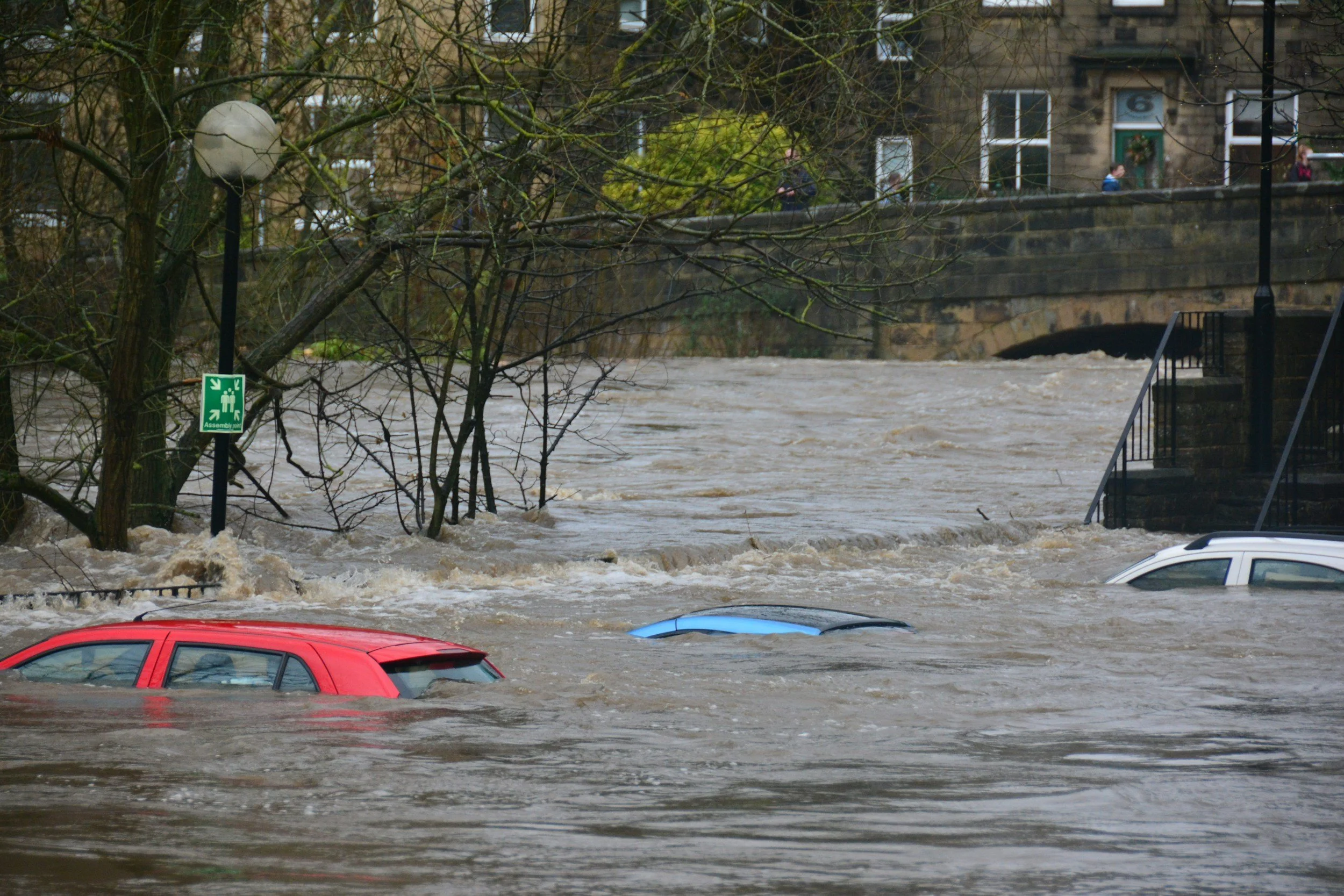
Flooding is a growing challenge for communities, especially in rapidly developing areas like South Carolina’s major cities. Greenville in particular has found itself on the list of the nation’s fastest growing cities. As cities expand, natural landscapes that once absorbed rainfall are replaced by concrete, asphalt, and rooftops. This urbanization leaves stormwater with fewer places to go, leading to higher flood risks for homes, businesses, and public spaces. So what can be done to mitigate risks and grow responsibly.
South Carolina’s Urban Growth and Its Impact on Flooding
South Carolina’s cities are growing rapidly. From Charleston to Columbia, Rock Hill to Greenville, urban areas are experiencing population booms and infrastructure development. While this growth brings opportunities, it also creates challenges:
Charleston: As a coastal city, Charleston faces unique flooding risks from both rain and rising sea levels. With increased development, stormwater often struggles to drain, leading to frequent road closures and property damage.
Greenville: Nestled in the foothills, Greenville’s rapid growth has added more impervious surfaces, which means less rainwater is absorbed into the ground. The result? More water running into already overburdened creeks and rivers. Greenville City recognizes several areas as high risk for flooding (see map).
Columbia: Located at the convergence of three rivers, Columbia’s urban sprawl has amplified flood risks, especially during heavy storms or hurricanes. The city recognizes several intersections as more prone to flooding.
Rock Hill: Access to international airports, interstates, and the coast, Rock Hill is the ideal location for a variety of industries. As part of the Charlotte metropolitan, Rock Hill is connected to vast, industrial community. However, as a South Carolina city, Rock Hill provides tax advantages and labor laws that make it so desirable.
With this level of urbanization, South Carolina’s stormwater infrastructure is being pushed to its limits. Roads, parking lots, and other hard surfaces mean that rainwater runs off quickly, overwhelming drainage systems and causing flash floods.
Why Continuous Monitoring Matters
Flooding isn’t just inconvenient; it’s dangerous. It damages property, disrupts businesses, and threatens lives. Continuous monitoring helps communities stay ahead of potential flood risks by:
Detecting High Water Levels: Sensors placed in stormwater systems can measure rising water levels in real-time, providing early warnings before floods occur.
Identifying Blockages: Storm drains and pipes can easily become clogged with debris. Monitoring systems alert officials to blockages so they can act quickly.
Tracking Rainfall Patterns: Understanding how much rain is falling and where it’s going helps engineers plan for better stormwater management.
Measuring Flow Rates: Monitoring water flow through creeks, rivers, and stormwater channels ensures that systems are functioning properly and can handle future rain events.
The Future of Flood Risk in South Carolina
As South Carolina’s cities continue to grow, we can expect:
More Frequent Flooding: With more impervious surfaces and fewer natural areas to absorb rain, flooding will become a more common problem.
Increased Storm Intensity: Climate change is leading to more intense storms, which bring heavy rainfall in short periods.
Greater Strain on Infrastructure: Existing stormwater systems may not be able to handle the volume of water from future developments and weather patterns.
How Buck Outdoors Helps Mitigate Flood Risks
At Buck Outdoors, we specialize in stormwater monitoring solutions that help protect communities from flooding. Here’s how we can assist:
Setting Up Monitoring Systems: We install advanced sensors to track water levels, flow rates, and rainfall in real-time.
Providing Actionable Insights: Our monitoring systems generate easy-to-understand reports that help property managers and municipalities make informed decisions.
Ensuring Compliance: With regulations around stormwater management becoming stricter, our services help businesses and communities stay compliant while reducing flood risks.
Real-Life Example: Preventing a Flash Flood
Imagine a growing neighborhood near a small creek. Heavy rains cause the creek’s water level to rise rapidly. Without monitoring, residents would only notice the danger when flooding begins. However, with continuous monitoring, sensors detect the rising water early and send an alert. Local officials are able to act quickly, clearing blockages and redirecting water to prevent major damage.
A few years ago, an engineering firm asked me to look over plans for a high-end residential community. Each property had its own stormwater tank for controlling quality and quantity of runoff water into the stream which flowed through the nearby park. I explained what I saw as high risks for our community and how proper maintenance on these tanks would work. The developer ignored the warning. A few months ago, I was speaking with city officials about the constant flooding of the park. I told the regulator that I felt the city approved the plan based on the assumption that property maintenance would be practiced. However, human nature is to simply do what we are required and that such development plans need changes to requirements for on going maintenance.
Conclusion
Flooding doesn’t have to be inevitable. With continuous stormwater monitoring and proper maintenance, communities can detect problems early and take proactive steps to protect their people and property. As South Carolina’s cities continue to grow, it’s more important than ever to stay ahead of stormwater challenges.
You can learn how to stay ahead of stormwater issues. We share practical stormwater insights, inspection reminders, and compliance tips written specifically for property managers and owners. Join our mailing list to stay informed and reduce risk before problems arise.
If you’re responsible for stormwater compliance in anyway, Buck Outdoors LLC provides inspections and maintenance for residential, commercial, and industrial properties across the upstate of South Carolina. Feel free to contact us if you have questions about your site in Oconee, Pickens, Anderson, Greenville, Spartanburg, Cherokee, Laurens, or Greenwood counties.

6 Gifts for the Construction Worker
Looking for the perfect gift for someone who spends their days on a construction site? Whether it’s your spouse, sibling, or best friend, finding something both thoughtful and practical can be tricky. Construction work is demanding, messy, and often unpredictable—so gifts that make their day easier, safer, or more comfortable will truly stand out.
From tools that boost efficiency to gear that keeps them safe and organized, these gift ideas are designed to make their workday smoother—and show them you appreciate the hard work they do every day.
Check out our curated list of must-have items, complete with Amazon affiliate links and pictures, and find a gift that your loved one will actually use and love.

AI Translation Earbuds: Open-ear earbuds offer real-time translation in 144 languages, AI features, and multiple interpretation modes. They also function for music and calls with HD audio, lightweight IPX7 waterproof design, and comfortable silicone ear hooks. Up to 60 hours of playback with rapid charging, Bluetooth 5.4 for fast, stable connection, and smart touch controls make them ideal for work, travel, and daily use.

Wearable Bluetooth Speaker: This anti-slip clip-on bluetooth speaker weighs only 2.55 oz. Is compatible with iPhone, Samsung, Google, Android phones, computers, iPads and other devices. The portable speaker put in your pocket without any weight burden. Handle clear calls on the job site with noise-canceling mics.
This speaker lasts all day at 60% volume. With quick-charge technology, it fully recharges in just 2 hours. Also, the added light makes it a great companion on the job site.

Small Pocket Knife: Compact, durable, and versatile, this small folding pocket knife features a stainless steel blade and a sturdy ABS handle. Lightweight at 2 ounces and just under 4 inches long, it’s perfect as an everyday carry, keychain, or for outdoor activities like camping, hiking, and hunting. Ideal as a gift or stocking stuffer for men and women, it’s practical for cutting rope, boxes, paper, and more.

Survival Keychain: This Outdoor Survival Light Carabiner Keychain is a compact, multi-functional tool perfect for campers, hikers, Boy Scouts, and outdoor enthusiasts. Made of rust-resistant stainless steel, it features an 800-lumen COB LED light with seven functions (flashlight, signal, distress beacon), a built-in emergency whistle, fire starter, and screwdriver. Its durable carabiner design allows easy attachment to backpacks or belts, and its lightweight, portable size ensures it’s always ready for any adventure. Rechargeable battery included.

AirTag Wallet: This slim, minimalist men’s wallet features an integrated AirTag slot (AirTag not included) for easy tracking, 11 card slots, and a cash flap to keep essentials organized. Measuring just 2.1 × 3.4 × 0.2 inches, it’s compact, lightweight, and maximizes personal space. The RFID-blocking design protects your sensitive information, making it ideal for everyday carry, travel, or outdoor adventures. A practical and stylish gift.

Multi Tool Pen Set: This 2-piece multi-tool pen set is a versatile gift for men, featuring a 9-in-1 black steel pen and a 6-in-1 yellow aluminum pen, complete with a personalized gift box and bonus accessories (extra batteries and ink refills). Each pen functions as a ballpoint, stylus, LED flashlight, bubble level, ruler, screwdrivers, and bottle opener. Perfect for constructor workers who “have everything.”
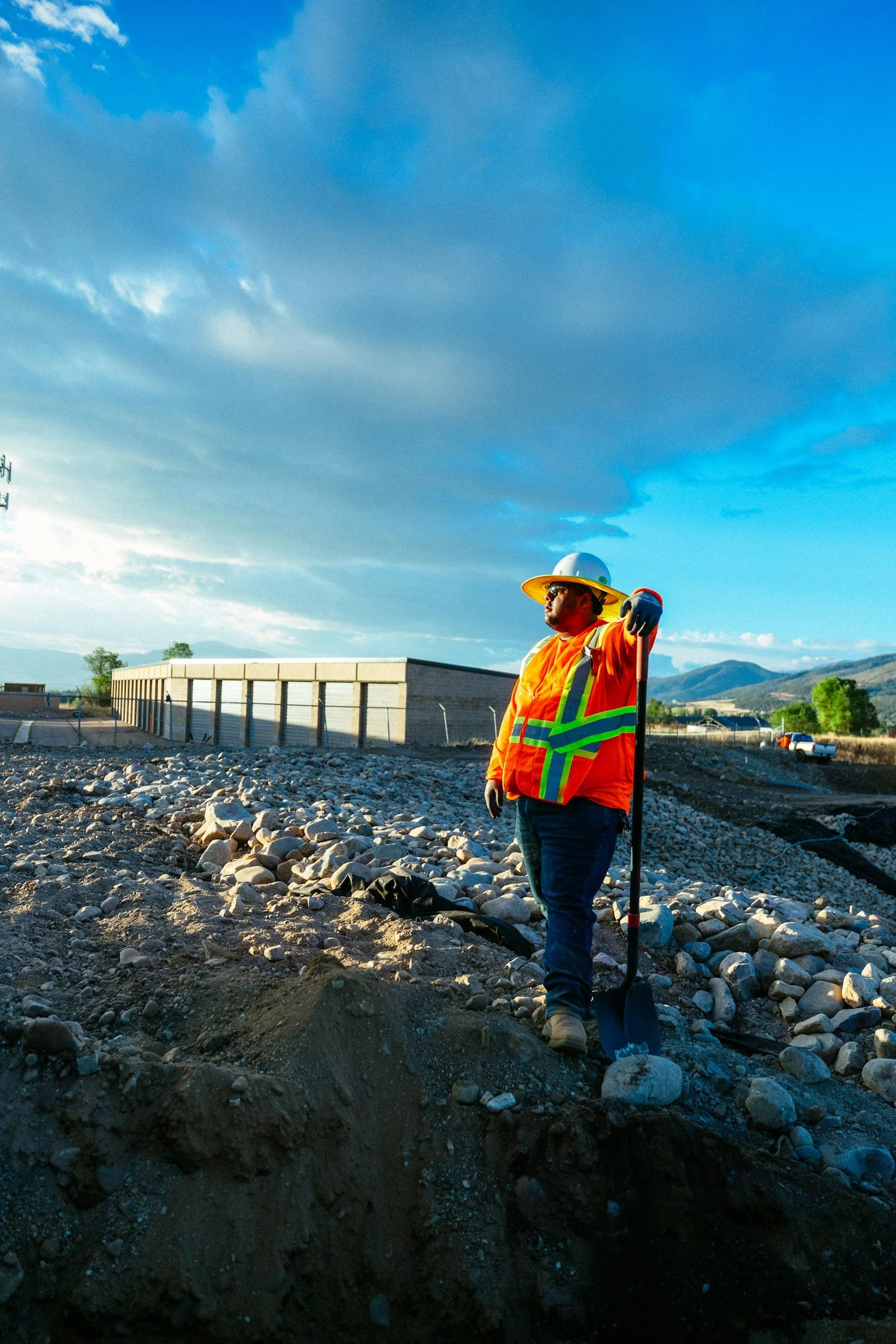
5 Must-Have Tools Every Construction Site Needs for Smooth, Successful Projects
“Want your construction project to run like clockwork? Here are five tools I’ve seen transform chaotic sites into well-oiled machines—because I’ve been in the trenches and nothing beats being prepared.”
When you’ve spent a decade walking construction sites, managing erosion issues, coordinating with superintendents, and keeping projects moving under tight timelines, you start to notice the little things that separate a smooth job from a stressful one. Here are five items I believe should be on every construction site, and why they make a huge difference.
1. Extra BMPs (Best Management Practices)
Silt fences, T-posts, sediment sacks for catch basins, and erosion logs might seem like minor items, but having them on hand puts you in control. When a problem pops up, you’re positioned to get it repaired effortlessly and quickly. Don’t wait until an inspector shows up or a rainstorm hits—extra BMPs save your schedule and protect the site.
2. A Laser Pointer
This might sound simple, but you’d be surprised how much time is wasted walking across a site to point out an issue. A laser pointer lets the superintendent direct attention precisely where it’s needed—without slowing down the crew. It’s a small tool with a big impact on productivity.
3. A Site Log Book
Energy is a precious resource on a construction site. Trying to remember what you noticed or decided earlier in the week can eat up time and focus. A construction log book keeps all records for the project in one place. Write it down, and you give yourself permission to forget it. Later, the log book becomes your roadmap, your proof of action, and your peace of mind.
4. A Magnetic Sweep
Nobody wants a flat tire in the morning because a nail or screw found its way from the site onto a vehicle. A magnetic sweep keeps metal hazards away from tires and walking paths, protecting your crew, equipment, and productivity. It’s a simple tool, but it prevents unnecessary headaches.
5. A Digital Site Box
Traditional site boxes are prone to weather damage, theft, and disorganization. A digital site box centralizes your SWPPP, plans, inspection reports, and communications. All safely stored and accessible from your phone. With this tool, you can pull up critical documents anywhere on-site and ensure that your records are always protected.
The Takeaway:
Construction is challenging enough without scrambling for the right tools or documents. Stocking your site with these five essentials isn’t just about being prepared; it’s about streamlining work, reducing stress, and setting your project up for success. From BMPs to digital records, these tools are my go-to for keeping every project running smoothly.
Affiliate links included in article.

SWPPPs to ESG: How Industrial Sites Lead in Environmental Stewardship
Industrial facilities across South Carolina stand at a crossroads. The regulatory landscape is shifting, oversight is becoming sharper, and expectations are rising. Demand for the shift is not just from regulators, but also from investors, communities, and even international trends.

Industrial facilities across South Carolina stand at a crossroads. The regulatory landscape is shifting, oversight is becoming sharper, and expectations are rising. Demand for the shift is not just from regulators, but also from investors, communities, and even international trends. At Buck Outdoors, we’ve seen these changes firsthand. And if there’s one lesson worth sharing, it’s this: staying ahead of stormwater compliance isn’t just about avoiding fines; it’s about protecting your operations, your reputation, and the watershed that sustains us all.
A New Era of Enforcement in South Carolina
For years, many industrial inspections in South Carolina came only after a complaint was filed. But with the newly formed Department of Environmental Services (DES) now fully staffed and active, that landscape has shifted. Inspectors are on-site conducting routine inspection and violations are already being issued.
What’s striking is that many of these violations aren’t catastrophic spills or egregious pollution events. They’re basic oversights such as outdated Stormwater Pollution Prevention Plans (SWPPPs), missing updates, or incomplete documentation.
I’ve noticed a real shift in urgency. In the past, environmental oversight was slowed by bureaucracy. Regulatory updates required weaving their way through the legislative branch, delaying necessary improvements. Now, with DES operating under the executive branch, change can—and will—happen faster. That’s good for the environment, but it also means industrial sites can’t afford to lag behind.
What Europe Can Teach Us About What’s Coming
To understand where environmental and stormwater compliance in the U.S. may be headed, it helps to look across the Atlantic. European companies are moving quickly to implement International Standards of Operation for industrial activity and its environmental footprint. America, historically, tends to follow suit.
That’s why we’re already seeing pressure from automakers, consumable and tech companies who emphasize ESG (environmental, social, governance) practices. PepsiCo has set ambitious goals to become net water positive by 2030. The company aims to replenish 100% of the water used in high-risk areas and has adopted the Alliance for Water Stewardship (AWS) Standard to guide its efforts. Additionally, PepsiCo is working towards designing 100% of its packaging to be recyclable, compostable, biodegradable, or reusable by 2025. Also consider Amazon, who has committed to achieving net-zero carbon emissions by 2040 and has already met its goal of powering its global operations with 100% renewable energy. The company has also eliminated plastic air pillows from its packaging in North America, replacing them with recycled paper filler, aiming to eliminate nearly 15 billion plastic air pillows annually. Likewise, Google is working towards achieving net-zero emissions across all operations and its value chain by 2030. The company is also investing in next-generation clean energy technologies and aims to replenish 120% of the freshwater consumed across its offices and data centers by 2030.
In fact, we’re seeing early signs of this shift right here in South Carolina. From seeking ways to educate the workforce and community about environmental stewardship to proactively creating areas for soil and water conservation. Actually, I am also seeing where many manufacturers participate in wildlife conservation as well. Buck Outdoors is aware of what the Federal Government sees as issues and has plans for manufacturing companies to be involved in their community’s environment.
As I see it, these practices won’t remain optional for long. Recently, I was in a meeting with one of the largest geo-engineer companies in the Southeast. We were discussing trends, and especially considering initiatives the government offers. In that meeting I had an “ah-ha” moment. Historically, what the government compensates, it eventually regulates. In other words, today’s tax credits become tomorrow’s laws. COOs, Facility Managers, and EHS Directors need to be aware of what could be coming down the pike and how to be prepared to serve the communities they operate in.
Shift from Global to Local Environmental Impact
Michelin North America, headquartered in Greenville, South Carolina, has long been committed to environmental stewardship, both globally and locally. Recent efforts to restore a section of the Reedy River through Unity Park exemplify this commitment. In 2019, the Michelin Corporate Foundation donated $1 million to protect and restore a half-mile stretch of the Reedy River that runs through Unity Park, the largest contribution to the park project to date. This initiative included stabilizing the riverbank and planting vegetation to act as a natural filter for sediment, reduce erosion, and improve water quality downstream.
Michelin has been known to participate in global conservation efforts. However, they also recognize the opportunities locally. I expect to see other companies follow suite. The upstate of South Carolina offers great opportunities for more environmental initiatives. For example, Conestee Park encompasses 400-acres of nature preservation. The park offers a rich tapestry of hardwood and evergreen forests, extensive wetlands, and a diverse array of wildlife. The preserve is designated as an Important Bird Area of Global Significance by the National Audubon Society and serves as a vital ecological resource for the region.
By investing in the restoration and preservation of areas like Conestee Park, local manufacturing companies can enhance its environmental impact in the local community. Initiatives could include supporting habitat restoration projects, promoting biodiversity, and engaging in community education programs about the importance of wetland ecosystems. Such efforts would not only bolster the company’s commitment to sustainability but also foster a deeper connection with the local community, aligning with their mission to provide a better way forward for the communities where they operate.
Fortunately, most companies do focus attention on their own campus, considering its effects on the environment. They generally have a person responsible for overseeing these efforts. The EHS Director keeps abreast of the company’s compliance with federal, state and local regulations. In many cases, the EHS Director also considers initiative to promote a stronger environment for the workforce using nature trails that encourage a diverse eco system..
Why Many EHS Directors Need a Partner
At the ground level, most of my day-to-day work is with EHS (Environment, Health, and Safety) Directors. These are smart, committed professionals. They know safety protocols backward and forward, and they thrive on protecting the health of their workforce. But many will admit the same thing to me: the “E” in their job description isn’t where they feel the strongest.
That’s where Buck Outdoors comes in. By partnering with us, EHS directors can stay focused on what they do best—health and safety—while we handle the environmental piece with confidence.
Our one-stop-shop approach means we manage the inspections, maintenance, and repairs tied to stormwater infrastructure. Instead of scrambling to update a Stormwater Pollutant Prevention Plans before a surprise inspection or wondering whether a detention pond is meeting standards, our clients know those bases are already covered.
That peace of mind is priceless.
The Value of Being Proactive, Not Reactive
It’s tempting for facilities to think compliance is only about avoiding penalties. But that mindset is short-sighted. Routine violations, even for minor issues like outdated documentation, can tarnish a facility’s reputation. Regulators may flag sites for closer scrutiny. Investors and community members may view lapses as signs of negligence.
On the flip side, proactive compliance pays dividends. Facilities that maintain updated SWPPPs, integrate conservation efforts into their operations, and demonstrate stewardship of their watershed are better positioned to win contracts, attract investment, and build community trust.
And with SC-DES inspectors getting caught up on sites, the time for proactive action is now, as opposed to reacting to a Notice of Violation. Stakeholders in a company share a common desire to see forward thinking. Reactive leadership constantly chasing preventable problems get replaced. I tell my contacts on a manufacturing site that Buck Outdoors’ goal is to make them the hero.
How Buck Outdoors Helps Facilities Stay Ahead
So what does a partnership with Buck Outdoors look like in practice?
Customized SWPPP support. We review and update stormwater plans so they reflect the latest regulations and your site’s current operations.
Routine inspections. We help identify and correct issues before regulators get involved.
Maintenance and repairs. From storm pond care to erosion fixes, we keep infrastructure functional and compliant.
Forward-looking solutions. We help facilities explore conservation add-ons including pollinator gardens, green buffers, and wildlife-friendly practices that align with emerging ESG (Environmental, Social, Governance) expectations.
In short, we remove the guesswork. Our clients don’t have to worry about what’s around the regulatory corner; they know we’re already looking ahead.
Looking Ahead Together
As South Carolina adjusts to its new regulatory structure and international, environmental expectations continue to tighten, industrial sites face a choice: react to change, or get ahead of it.
At Buck Outdoors, we believe the choice is clear. Partnering with a stormwater solutions provider isn’t just about checking compliance boxes. It’s about securing the future for your facility, for your employees, and for the environment we all share.
Because when regulators, investors, and communities come knocking, the best answer you can give is simple: we’re already ahead of you.
From Paperwork to Peace of Mind: How Digital CEPSCI Reports Streamline Your Build
Digital Site Box delivers to the GC a form of record keeping that gives the superintendent access to all documents while on the other side of the project. Using Digital Site Box prevents tampering from potential vandals and keeps records safe from damaging weather. Furthermore, digital record keeping allows the municipality inspectors and out of state project managers to see plans and reports without having to come on site.
Construction sites move fast, and so do the challenges. From heavy rain to subcontractor mistakes, GCs have enough to manage without worrying about whether every inspection is properly documented. That’s why digital CEPSCI reports are a game-changer for modern construction management.
I’ve been performing CEPSCI inspections across South Carolina since 2016, and one thing I’ve learned is that proper documentation storage is just as important as the inspection itself. Weekly reports do more than record issues—they create a clear, organized history of the site’s compliance, maintenance, and preventive measures. Being able to quickly get to this reports and site plans is essential on the job site. After all, these document protect GCs, keeps regulators informed, and gives everyone on the project confidence that the project progresses properly.
For example, on one project, a municipality inspector raised a concern about offsite sediment impact. Thanks to the digital records from previous inspections, the superintendent was able to show photos, notes, and completed corrections, resolving the concern immediately. The reports weren’t just paperwork; they were a shield, a tool, and a communication bridge all at once. Having these reports in a digital format allowed the superintendent to find the documents and present them to municipality regulators led to a seamless resolution.
Beyond compliance, digital CEPSCI reports help GCs:

Save Time: Easy-to-access digital records reduce back-and-forth and repetitive explanations.
Demonstrate Due Diligence: Every inspection and corrective action is documented, which helps prevent disputes. Digital reports can be shared quickly.
Make Better Decisions: Historical data highlights patterns and potential risk areas, allowing superintendents to plan proactively. This is enhanced when the information is constantly available on the laptop or even their phone.
My goal on every site is simple: peace of mind. By combining field expertise with digital reporting, I ensure GCs can focus on building, not worrying. When issues arise, we’ve already documented the work being done, so decisions are faster, responses are smarter, and projects stay on track. That’s why I use Digital Site Box, based here in Greenville, SC.
On a recent project, I was asked to provide the third-party CEPSCI. I told the Atlanta based GC firm that we bring with us a digital record keeping system for all reports and construction plans. The advantage that we delivered to the GC was a form of record keeping that gives the superintendent access to all documents while on the other side of the project, in this case two miles away. Using Digital Site Box prevented tampering from potential vandals and keeps records safe from damaging weather. Furthermore, digital record keeping allows the municipality inspectors and the Atlanta based project manager to see plans and reports without having to come on site.
CEPSCI inspections, when done consistently and documented digitally, aren’t just about compliance. They give you confidence that your project is protected, your team is prepared, and your build is set up for long-term success. When you hire Buck Outdoors for your CEPSCI, we bring with us Digital Site Box.

Turning Compliance Into Confidence: What Inspectors Look For (and What You Can Do Today)
Many general contractors view sediment and erosion inspections as a necessary burden, or something to endure to avoid fines. After nearly a decade of completing CEPSCI inspections in South Carolina, I’ve learned that the right approach transforms inspections from a checklist into a source of confidence for the entire project team.
CEPSCI inspectors look for more than just violations. They assess whether Best Management Practices (BMPs) are properly implemented, maintained, and effective. From silt fences and sediment basins to bio-retention areas and inlet protections, every detail matters. What I often notice is that superintendents, focused on schedules and deliveries, can unintentionally miss small issues that could become large problems later.
One superintendent I worked with was initially wary of my presence. He had decades of experience and didn’t see why another set of eyes was necessary. Within weeks, he started coming to me for advice. During one site visit, he briskly walked up to me. He said to the person on the phone, “Hold on, the man who has the answer is right in front of me. I’ll call you back.” He then asked me to walk across the site where a bio-retention swale was overflowing into the neighboring property. He had offsite impact, a big violation. He asked what needed to be done to fix the problem and avoid a violation. By sharing what the city inspectors are looking for and why, I helped prevent a compliance issue and create a proactive strategy, giving the superintendent confidence in the midst of conflict.
Here are three things GCs can do today to turn inspections into confidence:
Know Your BMPs and Document Them
Take photos, maintain logs, and ensure preventive measures are functioning. This creates a clear record showing due diligence, which can save time if regulators raise concerns.
Involve Your Inspector as a Team Member
A CEPSCI inspector isn’t an adversary; they’re a partner who can spot potential issues before they escalate. Ask questions, discuss site challenges, and leverage their expertise with local regulators to improve outcomes.
Anticipate Storm Events
Heavy rain can expose weak points on any site. Proactively inspect areas prone to flooding, track sediment barriers, and have a plan in place. Early action saves costly rework and prevents offsite impacts.
By understanding what regulatory inspectors are looking for and using third-party CEPSCI inspections strategically, GCs can shift from fearing weekly inspections to relying on them as a tool for risk management and project success. It’s about more than compliance; it’s about peace of mind, maintaining momentum, and ensuring the site is prepared for anything the week may bring.